How to Choose Your Alaska Cruise Itinerary (Using the Alaska Travel Compass)
Choosing an Alaska cruise itinerary can feel like a part-time job.
You open one tab to compare dates.
Another to check ports.
Then you’re staring at phrases like “Inside Passage,” “Glacier Viewing,” “Northbound,” “Southbound,” and five different ships that all look… kind of the same.
It’s a lot.
From Juneau, watching ships arrive and depart all summer, I see the same thing happen over and over: people choose an itinerary based on what’s on sale or what their friends booked then hope it matches what they actually wanted.
There’s a calmer way. I promise!
Over the years, I've provided guidance to friends and family as they head up this way to southeast Alaska. I’ve compiled my framework into 1 compass - something that helps them think through what they really want out of the trip and their experiences.
In this guide, I’ll walk you through a simple framework I call the: Alaska Travel Compass. It’s a way to choose your Alaska cruise itinerary based on you. What you want to feel, see, and remember. I’ll also share a few photography prompts from behind my lens so you can think about your itinerary in terms of moments and images, not just ports and prices.
If you’d like a printable version of this framework, you can always sign up for my newsletter (don’t worry, I don’t oversend!) and you’ll get access to the PDF to download my free Alaska Travel Compass (Mini Guide).
The Alaska Planning Compass - by Mary’s Mark Photography
Step 1: Start With Your North. Why You’re Going to Alaska?
Before you worry about which Alaska cruise route is “best,” I want you to ask one simple question: Why am I going to Alaska in the first place? Your North on the compass is that inner reason.
Some common “Norths” I have heard over the years:
Wildlife & Wonder": You dream about whales, eagles, maybe bears. You want that heart-stopping “Did that really just happen?” moment.
Scenery & Soft Adventure: You want glaciers, mountains, and easy hikes or viewpoints—without needing to be a hardcore adventurer.
Port Towns & Harbors: You love walking through historic streets, photographing colorful buildings, and lingering by working docks.
Reset & Perspective: You’re tired. You want fresh air, quieter days, and the feeling of being very small in a very big landscape - in a good way.
Try to pick a primary why, even if others are close behind. It’s easier to compare Alaska cruise itineraries when you can say with confidence:
“This route has more time in small ports, which is my priority.”
“This one includes more glacier time, which is what I’ll think about ten years from now.”

Step 2: Look East - When Do You Want to Sail to Alaska
Your East on the compass is ‘when’ you want to visit Alaska. Many people search “best month for an Alaska cruise” as if there’s one correct answer. There isn’t. Instead, consider:
What kind of mood do I want my trip to have?
Here’s a simple breakdown for Alaska cruise season:
May to early June – Fresh & Wild: Snow still on the mountains, cooler air, fewer crowds. Great if you love dramatic snowy peaks, don’t mind a chill, and prefer a less-busy feel.
Mid-June through August – Classic Alaska Summer: Longer days, greener hillsides, more wildlife tours running, more energy in port. Great for families, first-timers, and anyone who loves long evenings on deck.
Late August to September – Golden & Moody: More gold in the landscape, slightly cooler, fewer crowds and a gentler pace.Great if you love moodier skies, subtle fall colors, and a quieter experience.
Match your Why with your When:
Wildlife & long light? → mid-June to August.
Quiet, introspective, “edge of the season” vibes? → May or late August/early September.
In the Alaska Travel Compass mini guide, I lay this out in a way you can circle the season that feels right and jot notes about why.
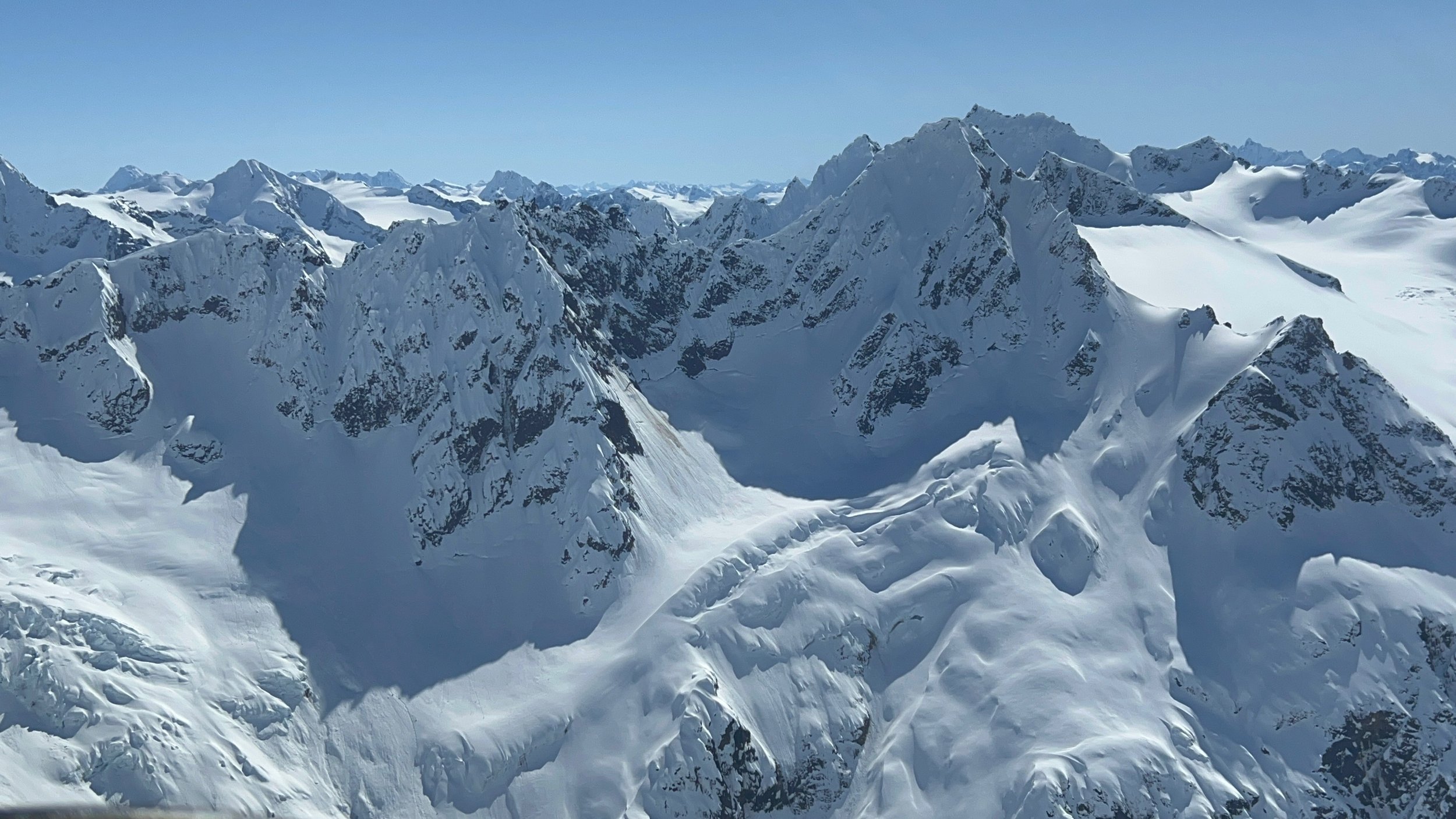
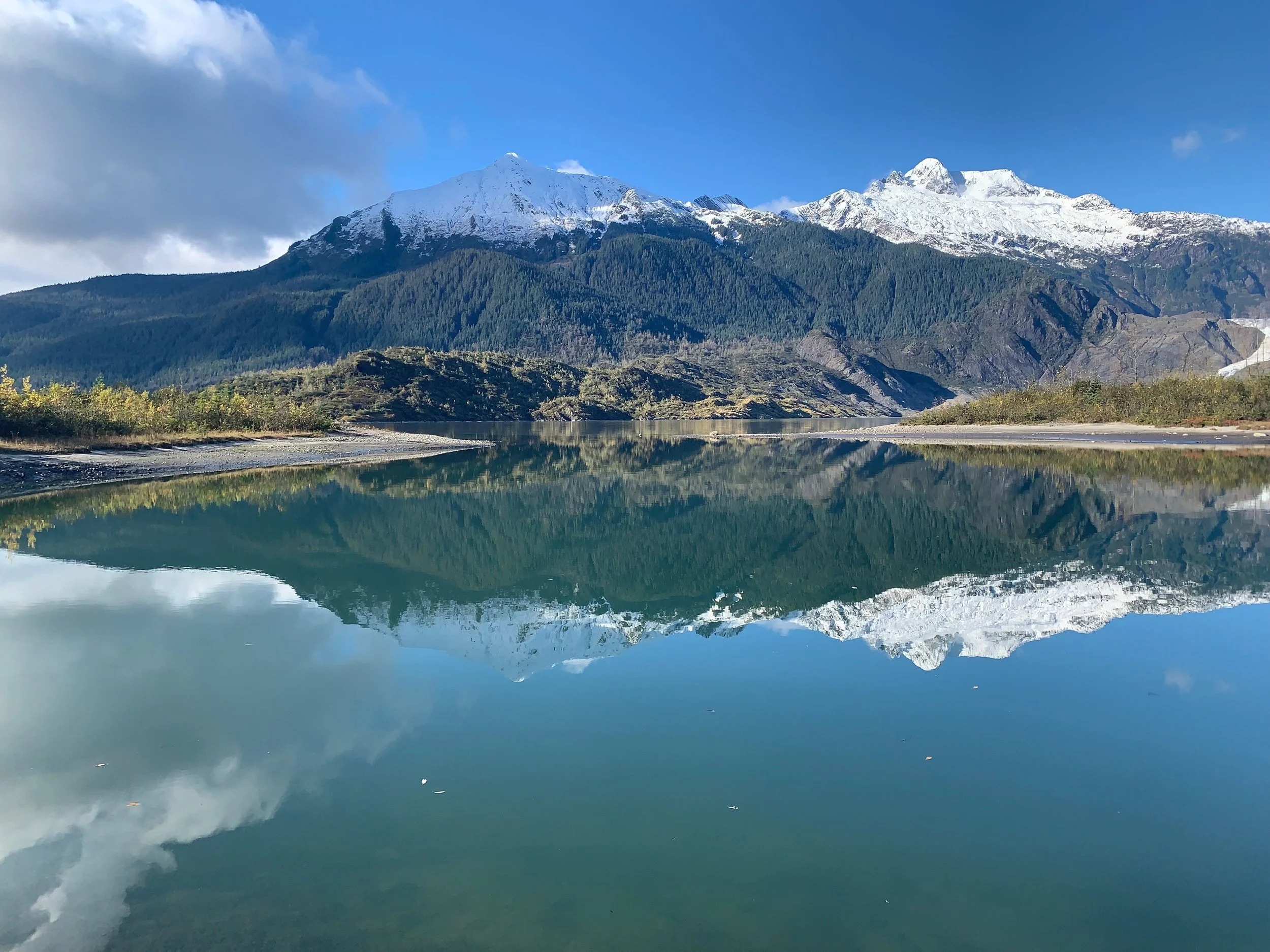
Step 3: Turn South Where Your Alaska Cruise Should Go
Your South is about **where** in Alaska you want to spend your time. This is where “Inside Passage vs Gulf of Alaska” and “roundtrip vs one-way” start to make more sense.
Most Alaska cruise itineraries fall into three broad patterns:
1. Inside Passage / Southeast Alaska
Typical ports: Juneau, Ketchikan, Skagway, Sitka, Icy Strait Point, plus a glacier viewing day (Glacier Bay, Endicott Arm, Tracy Arm, or similar).
Good for you if:
You want classic Alaska cruise scenery: fjords, islands, and steep forested mountains dropping into the water.
You love photo-friendly port towns with colorful buildings and harbors.
Whales, eagles, and shoreline wildlife are high on your list.
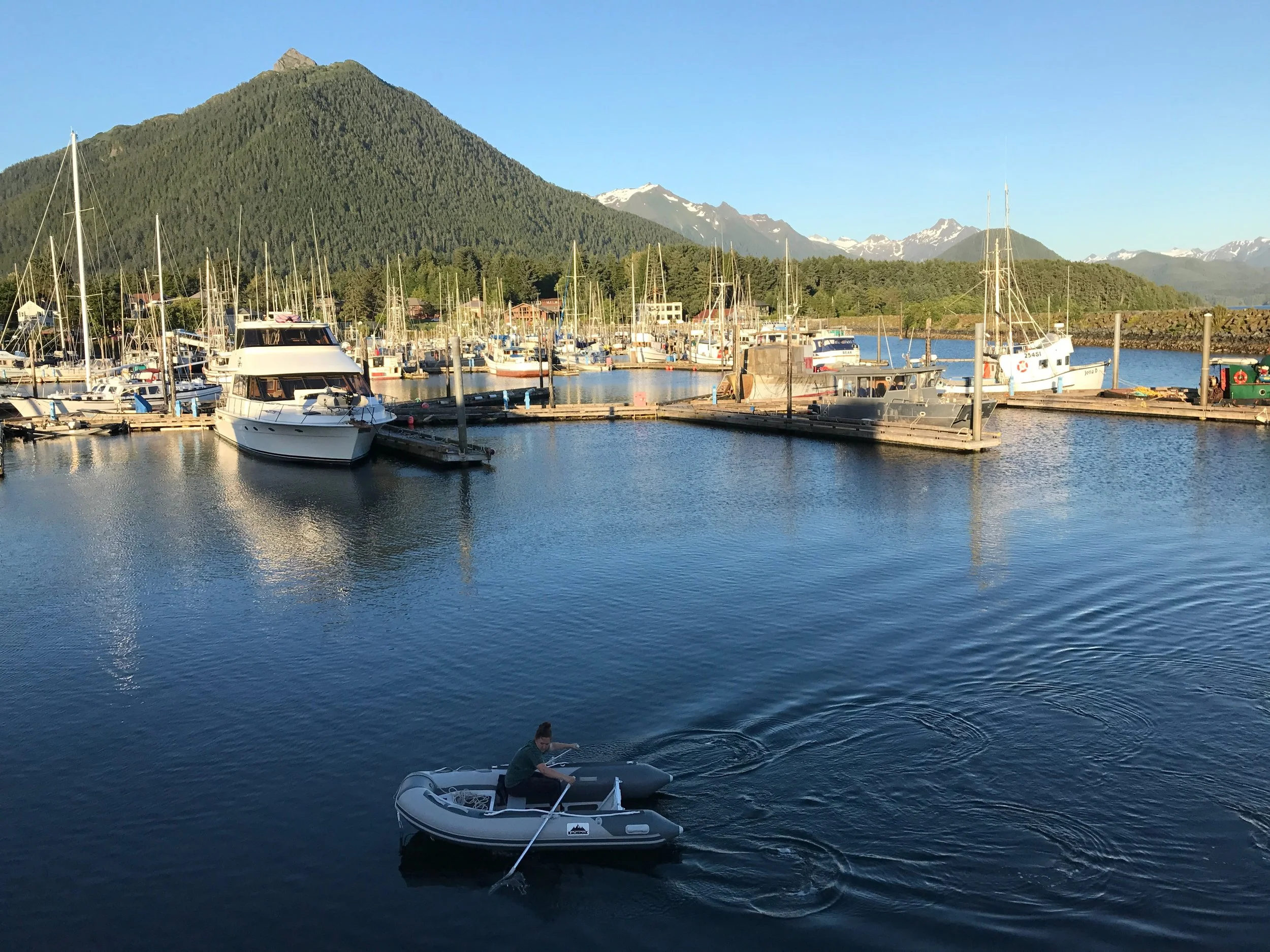
2. One-Way (Often Seward or Whittier ↔ Vancouver) + Land Options
These often combine Southeast + Southcentral and are usually paired with a land tour to Denali or the Interior.
Good for you if:
You want more variety: fjords + interior mountains + maybe Denali.
You’re okay with one-way flights and a slightly more complex travel day.
You like the idea of trains, lodges, or extra time on land.
This style is especially good for photographers because it gives you different types of light and landscape in one trip: coastal mist in the southeast, big sky and mountains inland.
3. Roundtrip Itineraries from Seattle or Vancouver
These are usually focused on the Inside Passage, looping in and out of Southeast Alaska.
Good for you if:
You want a simpler travel day (fly in and out of the same city).
You’re a first-time Alaska cruiser and want a straightforward trip.
You like the idea of getting a rich “taste of Alaska” without overcomplicating things.
When you’re comparing routes, ask:
Does this route give me enough time in the kinds of places that match my North (Why)?
Do I like the balance of glaciers, port towns, and sea days?
Will I feel rushed, or is there breathing room?
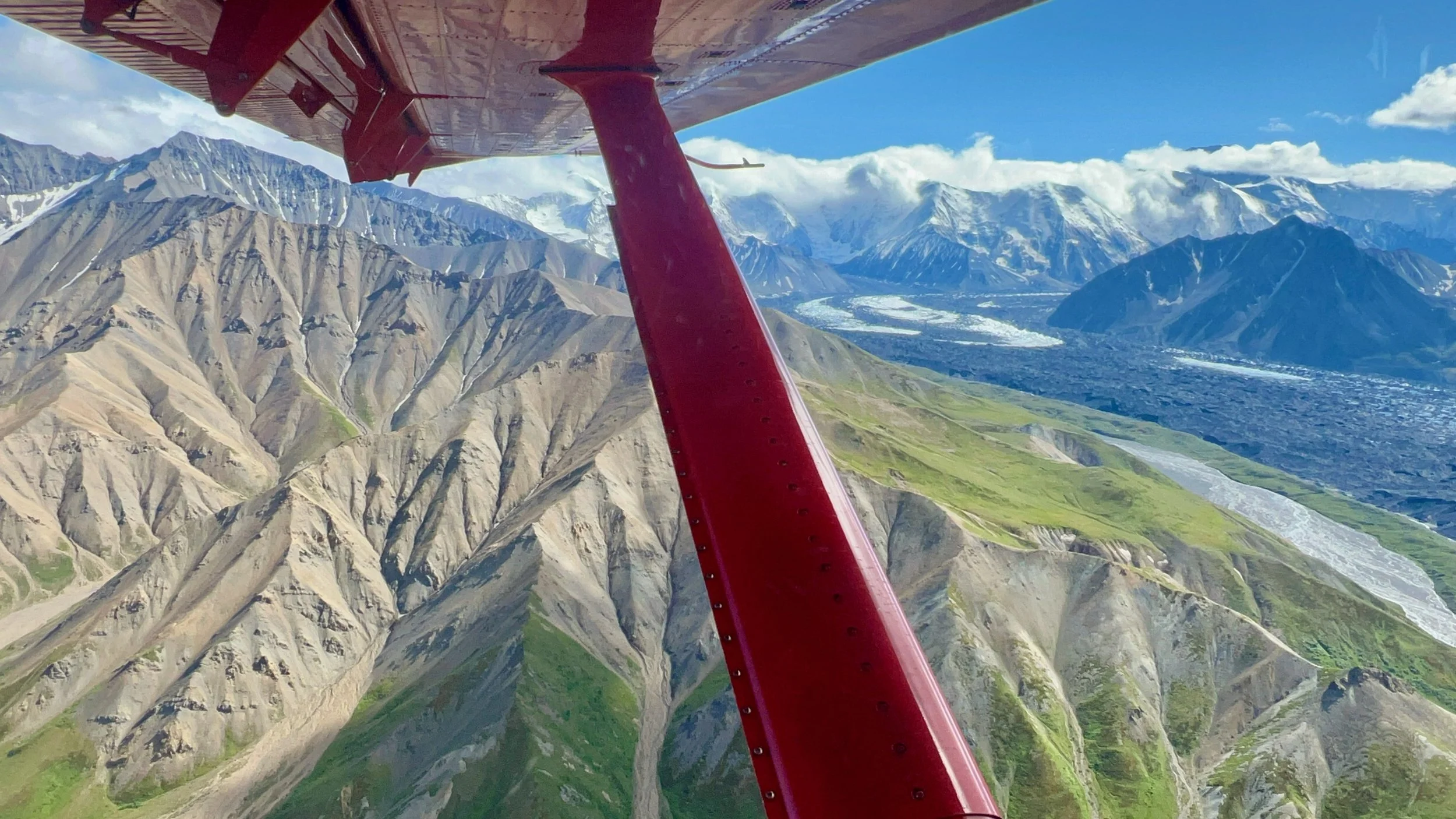
Step 4: Look West - How You Want to Travel (Your Style on Board)
Your West is how you like to move through the world. Even when you’ve chosen a general region and timeframe, you still have choices like:
Big ship vs smaller ship
Itinerary with more port days vs more scenic cruising
Cruise-only vs cruise + land
Ask yourself honestly: “How do I want my days to feel?”
If you’re introverted or easily overstimulated, a heavy port schedule and late-night events might sound fun at first but feel like too much once you’re there.
A few travel-style questions to ask:
Do I want lots of activities and nightlife, or am I happiest on a quiet deck watching the wake?
Am I okay with early mornings and back-to-back tours, or do I prefer one big thing a day?
Does a land tour with changing hotels excite me or exhaust me?
None of these answers are wrong - they just point you toward different Alaska cruise itineraries. If you want a **soft, scenic, restorative** trip, choose routes with:
At least one glacier day
A mix of sea days and ports
Longer port calls over “hit and run” stops
If you want maximum variety and stimulation, look at one-way itineraries with land add-ons and lots of port calls.
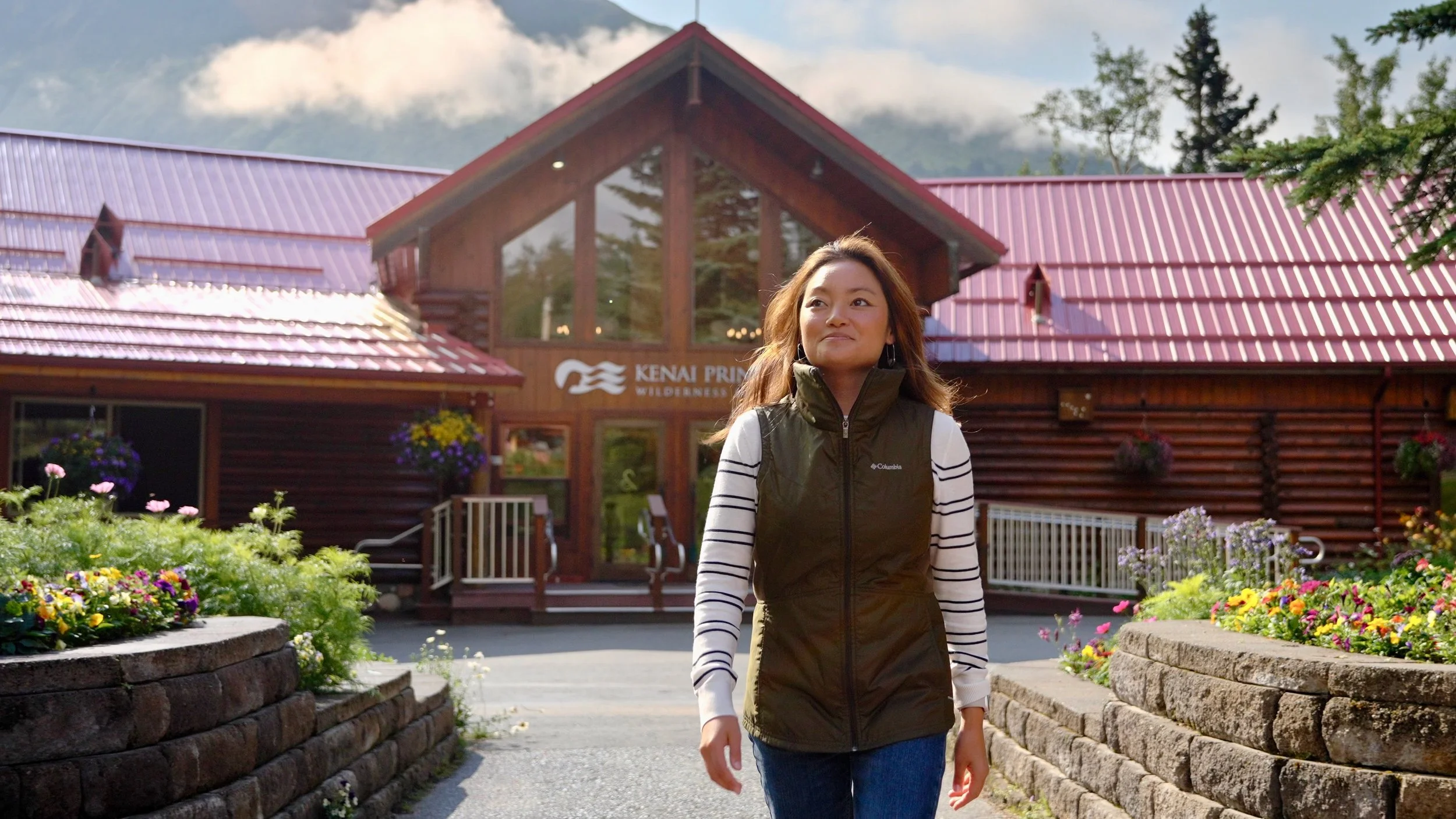
Step 5: Use a Port Day Formula So Almost Any Itinerary Works Better
Here’s a secret as both a local and a photographer: The way you spend each day matters just as much as the itinerary itself. I like to use a simple formula for Alaska cruise port days:
One Big Thing + One Slow Hour + One Small Ritual
One Big Thing:
Glacier excursion, whale watch, scenic train, helicopter, cultural tour.
The story you’ll tell when someone says “So, how was Alaska?”
One Slow Hour:
Sit by the harbor and watch boats.
Wander residential streets behind the main tourist strip.
Find a quiet spot near the water and just… exist there for a while.
One Small Ritual:
A cup of tea in a café with foggy windows.
A short journal entry or note on your phone.
Standing alone on deck and taking exactly three deep breaths while looking at the mountains.
You can build your entire Alaska cruise around that pattern and have a much richer experience with almost any itinerary.
Photography Prompts for Port Days
Here are a few prompts from my own work that you may find interesting:
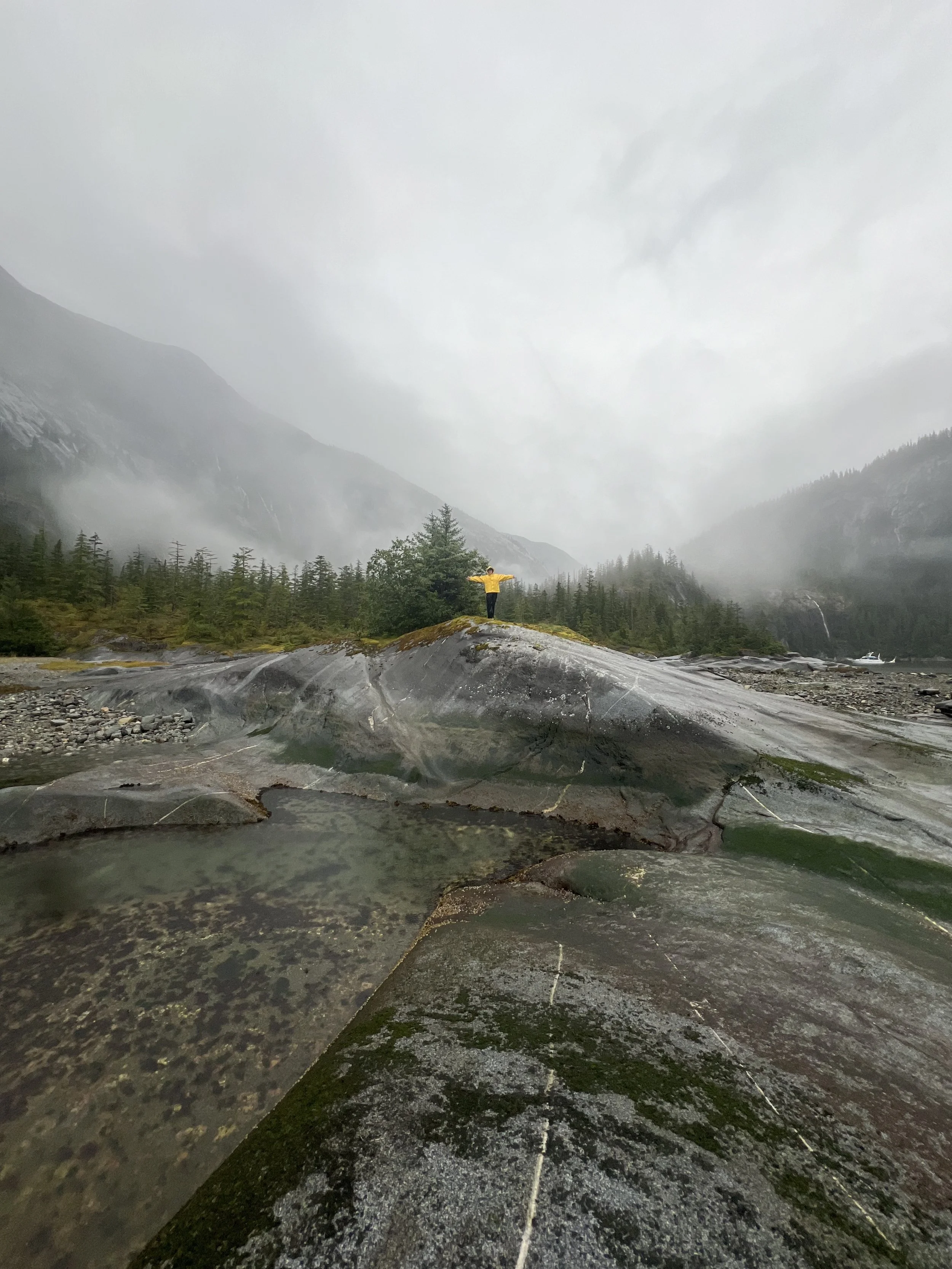
Tiny Against Huge: Look for a person, ship, or cabin dwarfed by mountains or ice. Take one photo each day that shows humans as very small in the frame.
Edges of Weather: Just before or after rain. Low clouds wrapping around mountains. Reflections in puddles or harbor water.
Everyday Alaska: Fishermen working on gear. Boots by the door. Bikes or skiffs pulled up on rocky shorelines.
Your Own Hands in the Story: Your hands around a mug. A journal on a ship railing. Holding binoculars or a camera, with Alaska blurred in the background.
Step 6: Compare Two Sample Alaska Cruise Itineraries Using the Compass
To make this feel practical, let’s imagine you’re comparing two real-world-ish options:
Itinerary A: Roundtrip Inside Passage from Vancouver or Seattle
Ports: Juneau, Skagway, Ketchikan, one glacier day
Several sea days
Itinerary B: One-way cruise with land tour
Ports: a mix of Inside Passage towns
Starts or ends near Anchorage
Includes rail and Denali add-on
Now run them through your compass:
1. North (Why):
If your why is “I want to feel small in huge landscapes and watch whales”, both can work but which one gives you more time in fjords + glacier viewing?
If your why is “I want to finally see Denali and spend time inland,” Itinerary B likely wins.
2. East (When): If you’re locked into a specific month, see which itinerary feels calmer in that month (port congestion, typical weather).
3. South (Where):
If you want Southeast towns + Glacier Bay or a fjord, Itinerary A might be enough.
If you also want Interior Alaska, Itinerary B gives you more regional variety.
4. West (How):
If you get overwhelmed easily, a simpler roundtrip (A) might feel safer and more restorative.
If you love variety and don’t mind complex travel days, the one-way land & sea combo (B) might feel more “worth it.”
You can use this same exercise with any two or three Alaska cruise itineraries. It’s less about hunting down the “best Alaska cruise” and more about finding your Alaska cruise.
Step 7: Think About How You Want Alaska to Stay With You
Before you click “book,” ask one more question: “A month after I get home, what do I want to be different because I went to Alaska?”
Maybe you want a photo on your wall that makes you take a breath each time you walk past it.
Maybe you want to feel less hurried in your everyday life.
Maybe you want a shared memory with someone you love that didn’t involve rushing through airports.
That answer can fine-tune your choice:
It might nudge you toward an itinerary with more quiet, scenic days and fewer ports.
It might remind you to build in buffer days before or after the cruise so you’re not sprinting through the trip.
It might help you choose excursions that are more “sit on a boat and watch the world” and less “back-to-back adrenaline.”
Where the Alaska Travel Compass Mini Guide Fits In
If you’re feeling that slight swirl of overwhelm, the Alaska Travel Compass (Mini Guide) is my way of handing you a cup of tea and a pen and saying, “Let’s do this slowly.”
Inside the free 4-page PDF, you’ll find:
A simple North / East / South / West framework you can fill in
A seasonal breakdown to help you choose when to cruise to Alaska
A regional overview to help you decide where to focus
Photography prompts to guide your eye on deck and in port
A few ideas for how to bring Alaska home after your trip (whether that’s printing your own photos or adding fine art to your walls)
If You Want More Alaska in Your Life (Beyond the Itinerary)
If you’re new to Mary’s Mark: hi, I’m Mary. I live in Juneau, Alaska and spend a lot of time chasing that feeling of **tiny humans in huge wild places** with my camera.
I created Mary’s Mark to help you:
Plan meaningful Alaska trips that feel like you, not like everyone else’s checklist
Bring Alaska home through fine art prints that carry that sense of scale and calm
Step away in person through small Wild Within retreats in Alaska (I only host one a year)
If you’re planning an Alaska cruise itinerary:
You can explore more Alaska travel & photography guides on my blog.
You can browse the Alaska’s Grandeur and Magnificence print collection if you want your walls to hold that tiny-against-huge feeling long after you sail home.
And if you ever want Alaska without a ship, you can peek at my Wild Within retreat, a small, quiet reset here in the wild.
Wherever you end up sailing, I hope Alaska gives you a moment where you stop, look up, and realize how beautifully small you are in a very wide, very good world.