How to Take More Cinematic Photos in Alaska
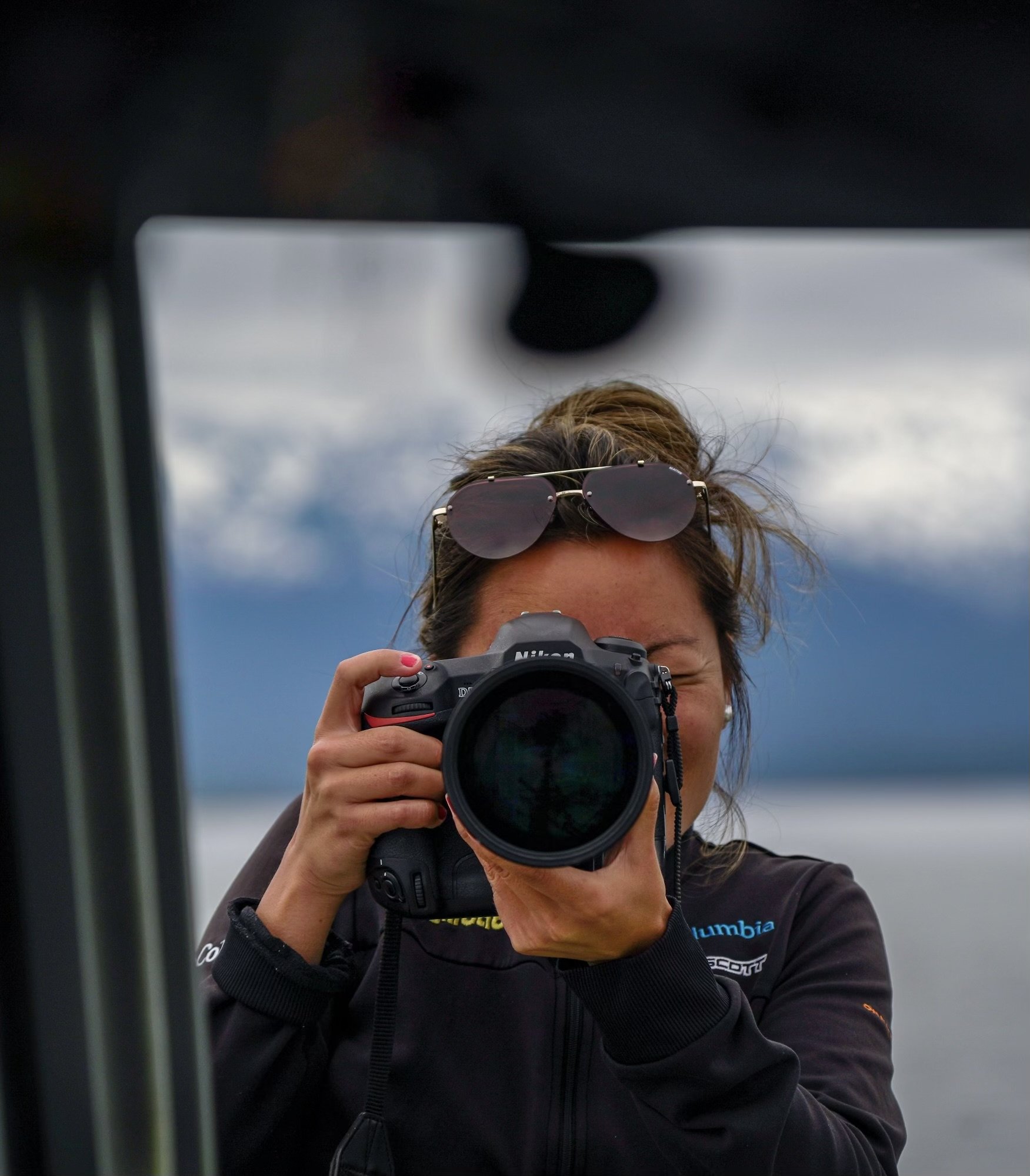
Alaska is one of the most beautiful places to photograph in the world and one of the easiest places to flatten into a quick snapshot (I am speaking from experience!).
In my mind, the challenge is rarely the scenery. For me, it’s how do I capture every emotion that I’m feeling and the grandeur that I’m seeing all in one capture. In Alaska, the strongest images often come from doing less: less zooming, less clutter, less editing, less chasing the obvious.
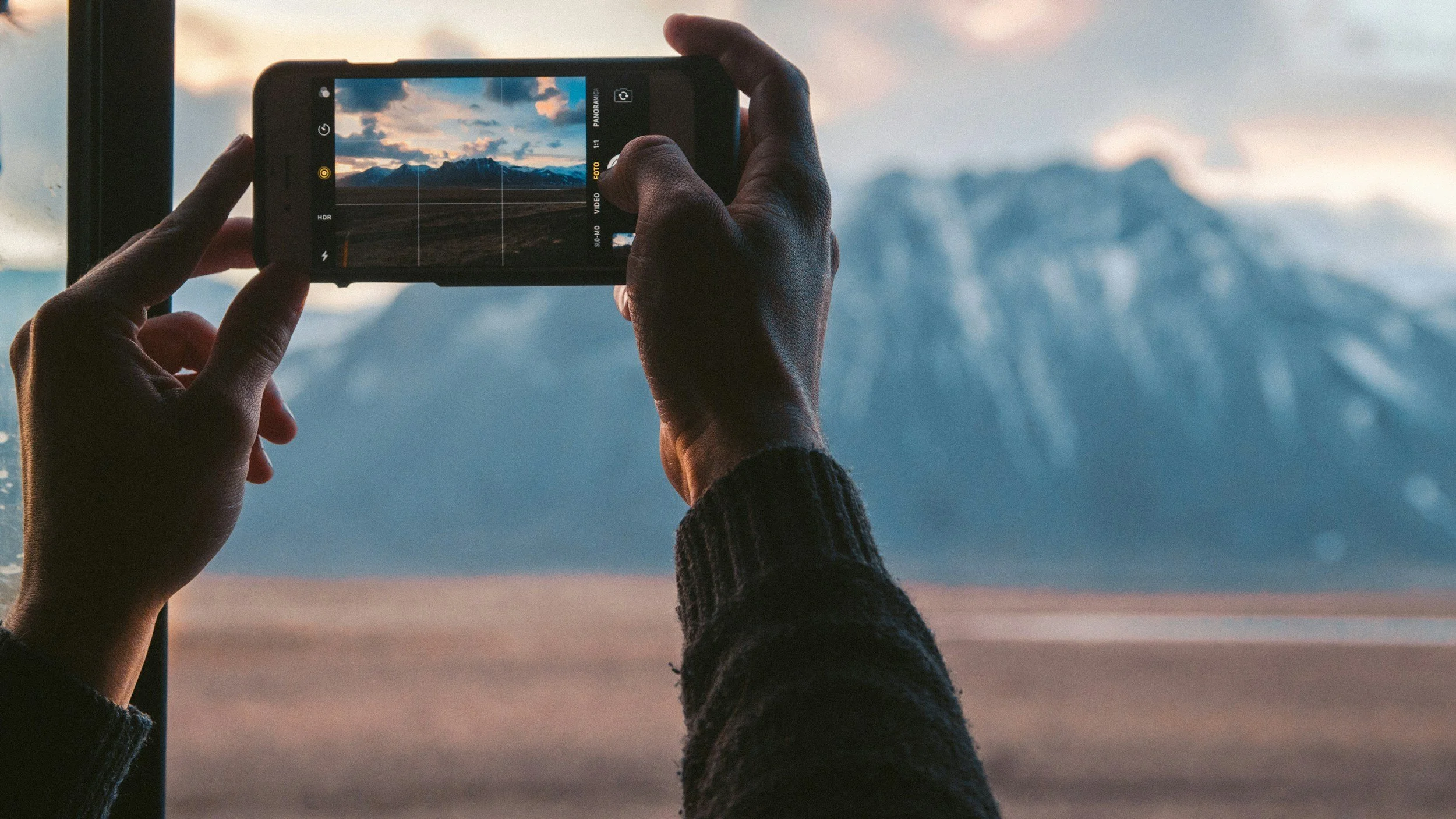
Whether you are traveling by cruise, road trip, floatplane, or ferry, you do not need a professional camera to come home with compelling images. Your phone is more than enough if you know what to look for.
The key is understanding what makes Alaska feel like Alaska in a photograph: scale, weather, light, stillness, and a real sense of place.
This guide covers simple ways to take better Alaska photos on your phone, whether you are in Juneau, Seward, Sitka, Ketchikan, Denali, or anywhere in between.
1. Show Alaska’s scale
One of the best Alaska photography tips is also the simplest: stop photographing everything so tightly.
Alaska is defined by scale. Mountains feel more dramatic when they are allowed to tower. Glaciers feel more powerful when you show them with the surrounding water. Even a quiet harbor feels more cinematic when the landscape remains bigger than the person inside it.
Instead of zooming in immediately, step back and let the environment stay large in the frame. Place people lower or off-center. Leave room for sky, shoreline, cloud, or water.
If you are on a cruise, this matters even more. A glacier close-up may be impressive, but a wider image that shows the ship’s position in relation to the landscape often feels far more memorable.
2. Use Alaska weather to your advantage
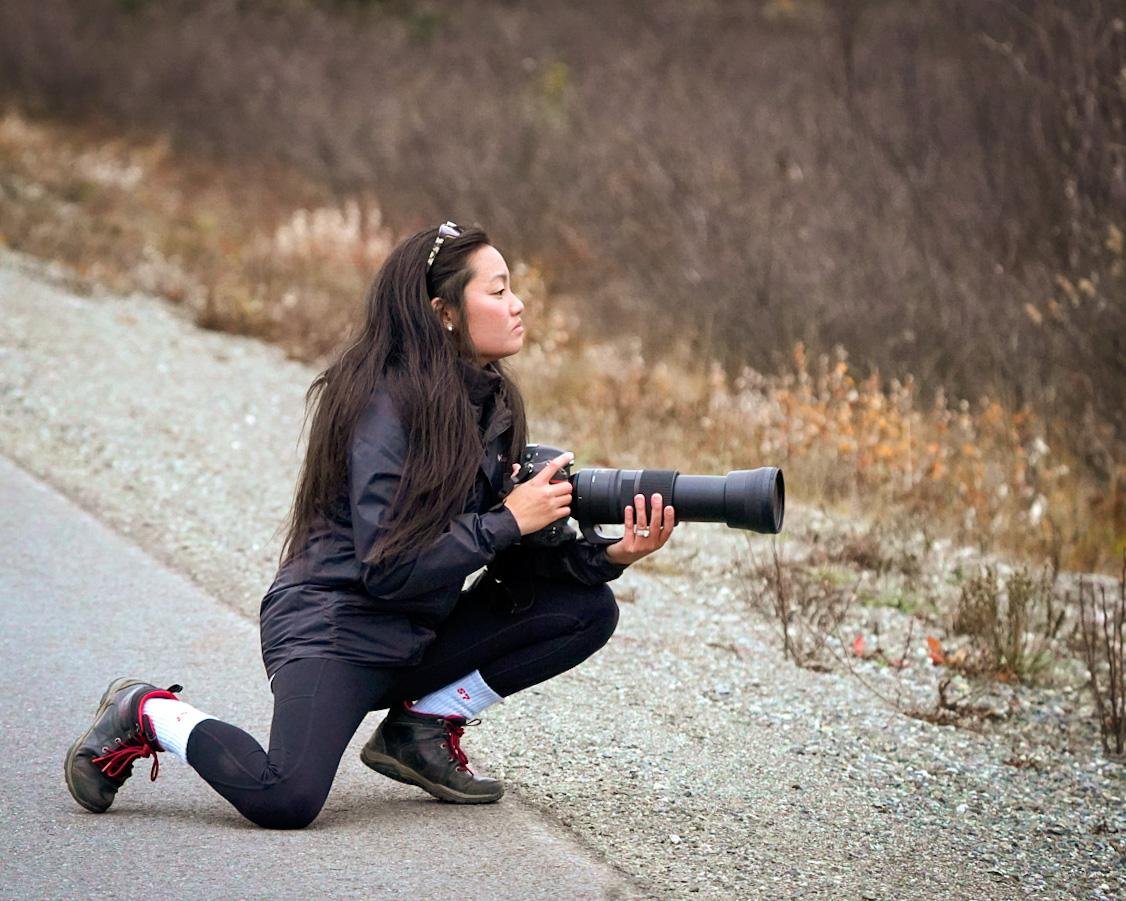
Many travelers assume a bright sunny day is best for photos. In Alaska, that is not always true.
Fog, mist, rain, and overcast skies often create the moodiest and most cinematic images. They simplify the frame, soften contrast, and add atmosphere that you do not need to manufacture later.
Low cloud over the mountains, reflections on wet pavement, mist over the water, or grey light across a harbor can all make an image feel more distinctly Alaskan.
On your phone:
lower the exposure slightly if the image looks washed out
avoid over-editing fog or cloud into sharpness
let rain, moisture, and reflection remain visible
Weather is not getting in the way of the image. In Alaska, it often is the image.
3. Pay attention to light
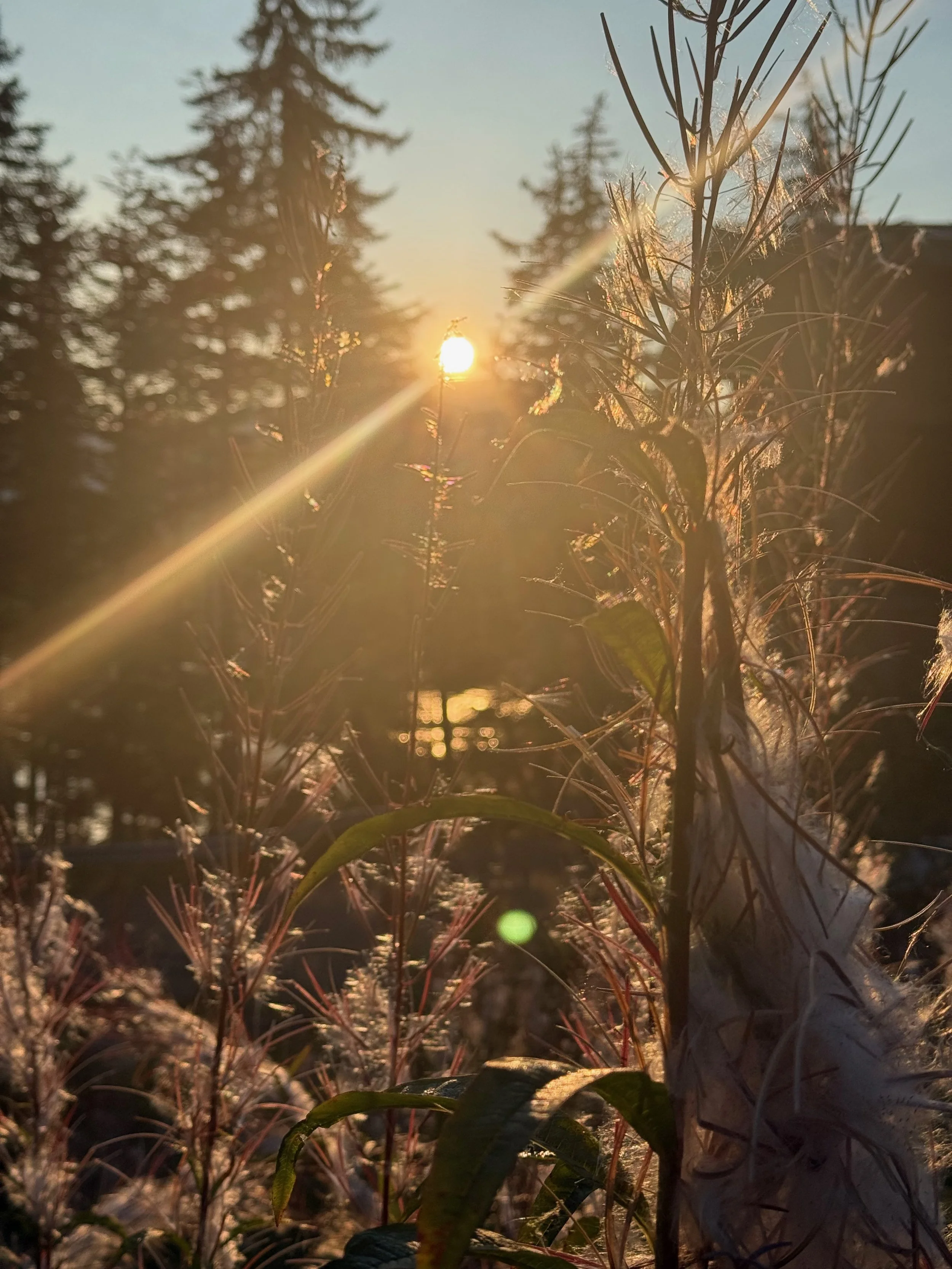
If you want better travel photos in Alaska, start paying less attention to landmarks and more attention to light.
Ask yourself:
Where is the light falling?
What is it touching?
What is it leaving in shadow?
A famous place in flat light can feel forgettable. A simple scene in beautiful light can feel extraordinary.
In Alaska, water, snow, mist, and wet surfaces all reflect and amplify light. Early mornings, late evenings, and shifting cloud cover can create strong images almost anywhere.
This is especially true in Southeast Alaska, where the light changes quickly and subtle atmospheric conditions can transform a scene in minutes.
4. Keep your frame clean
Alaska is visually stunning, but many places also include dock equipment, parked cars, signs, cruise infrastructure, trailhead clutter, or busy street elements.
Before taking a photo, look at the edges of the frame. Move your body to simplify the image. Eliminate distractions where you can. Lower your angle, shift a few steps, or wait for people to move through.
A cleaner frame almost always feels more elevated.
This is especially helpful in port towns like Juneau, Skagway, and Ketchikan, where you may be standing between remarkable scenery and everyday clutter.
5. Let stillness work for you
Some of the best Alaska photos are not dramatic. They are quiet.
Still water. Empty roads. A mountain hidden in cloud. A harbor before activity begins. A person standing small against a wide landscape.
Stillness gives a photograph emotional weight. It helps the image feel grounded rather than rushed.
When using your phone, hold the frame for an extra few seconds. Resist the urge to capture only action. Let a calm scene stay calm.
That quiet is often what makes the image last.
6. Look for places that naturally photograph well on a phone
Some Alaska settings are especially good for phone photography because they offer simple shapes, clear layers, and strong atmosphere.
Look for:
shoreline pull-offs
overlooks with mountain and water layers
harbors in soft light
rainy streets with reflection
boardwalks, docks, and inlets
glacier days with cloud and texture
forest edges with filtered light
The best Alaska travel photos are not always at the biggest attraction. Sometimes they come from a roadside stop, a misty deck, or a quiet five-minute pause between excursions.
7. Edit lightly
When editing Alaska photos on your phone, less is almost always better.
Too much clarity, sharpening, contrast, or saturation can strip the atmosphere out of the image. Alaska often looks best when it retains softness, depth, and restraint.
A simple edit usually works best:
lower highlights
preserve shadow depth
avoid pushing blues and greens too far
keep fog and sky soft
make small, controlled adjustments
The goal is not to make Alaska louder. It is to keep the feeling intact.
Best places in Alaska for atmospheric phone photos
This approach works especially well in:
Juneau for mist, water, and mountain layering
Ketchikan for rain, reflection, and moody streets
Sitka for harbor scenes and soft coastal light
Seward for mountain drama and open shoreline
Denali for scale and negative space
Inside Passage cruise days for glaciers, weather, and distance
Final thought
The best Alaska photos do more than prove you were there.
They preserve something about the scale, softness, and atmosphere of the place itself.
Before you take the shot, ask one question:
Does this image show what Alaska felt like — or only what I saw?
That is usually where the better photograph begins.