Stories and guides for a more thoughtful Alaska trip.
Crafted by Mary Jacquel, from lived experience, original photography, and practical insight.
What to Book in Advance for an Alaska Trip: A First-Timer’s Planning Guide
Planning an Alaska trip can look simple on paper, but some parts of the experience fill earlier than first-time visitors expect. Here’s what to book in advance, what can wait, and how to avoid overplanning the trip.

Planning a trip to Alaska can feel surprisingly straightforward at first. You pick your dates, sketch out a route, and assume you can fill in the details later.
Sometimes that works.
But Alaska has a way of rewarding the traveler who books the right things early and leaves the right things flexible. That balance matters more here than in many destinations, especially in summer, when lodging tightens, specialty tours sell out, and transportation options can be less interchangeable than first-time visitors expect.
One of the questions I hear often, whether from friends, family, or people trying to plan their first Alaska trip, is some version of this: what actually needs to be booked in advance, and what can wait?
The answer depends on how you are traveling. But in general, the pieces most worth securing early are the ones tied to limited inventory, geography, fixed departure times, or short seasonal windows.
If you are planning an Alaska trip for the first time, here is where I would focus first.
The short answer: what should you book in advance for an Alaska trip?
For most summer Alaska trips, the things most worth booking in advance are:
lodging in high-demand places
rental cars
Alaska Railroad segments
Alaska Marine Highway ferry segments
must-do excursions
Denali transportation and nearby stays
bear viewing, flightseeing, and specialty wildlife tours
pre- and post-cruise hotels
a few time-sensitive restaurants or add-ons, if they matter to your trip
Not every trip needs every item on that list. But if something is central to the shape of your trip, it should not be left to chance.
Start here: your trip type changes what needs to be booked early
Before booking anything, get clear on what kind of Alaska trip you are taking. This shapes almost every decision that follows.
Cruise trip

If you are visiting Alaska by cruise, many of the basics are already built in. In that case, your key advance bookings are usually:
the cruise itself
any shore excursions you truly care about
pre- or post-cruise hotel stays
transfers and logistics around embarkation or disembarkation
a few specialty add-ons that can sell out
Land-based trip
If you are doing a land trip, the booking pressure usually shifts toward:
lodging
rental cars
internal transportation
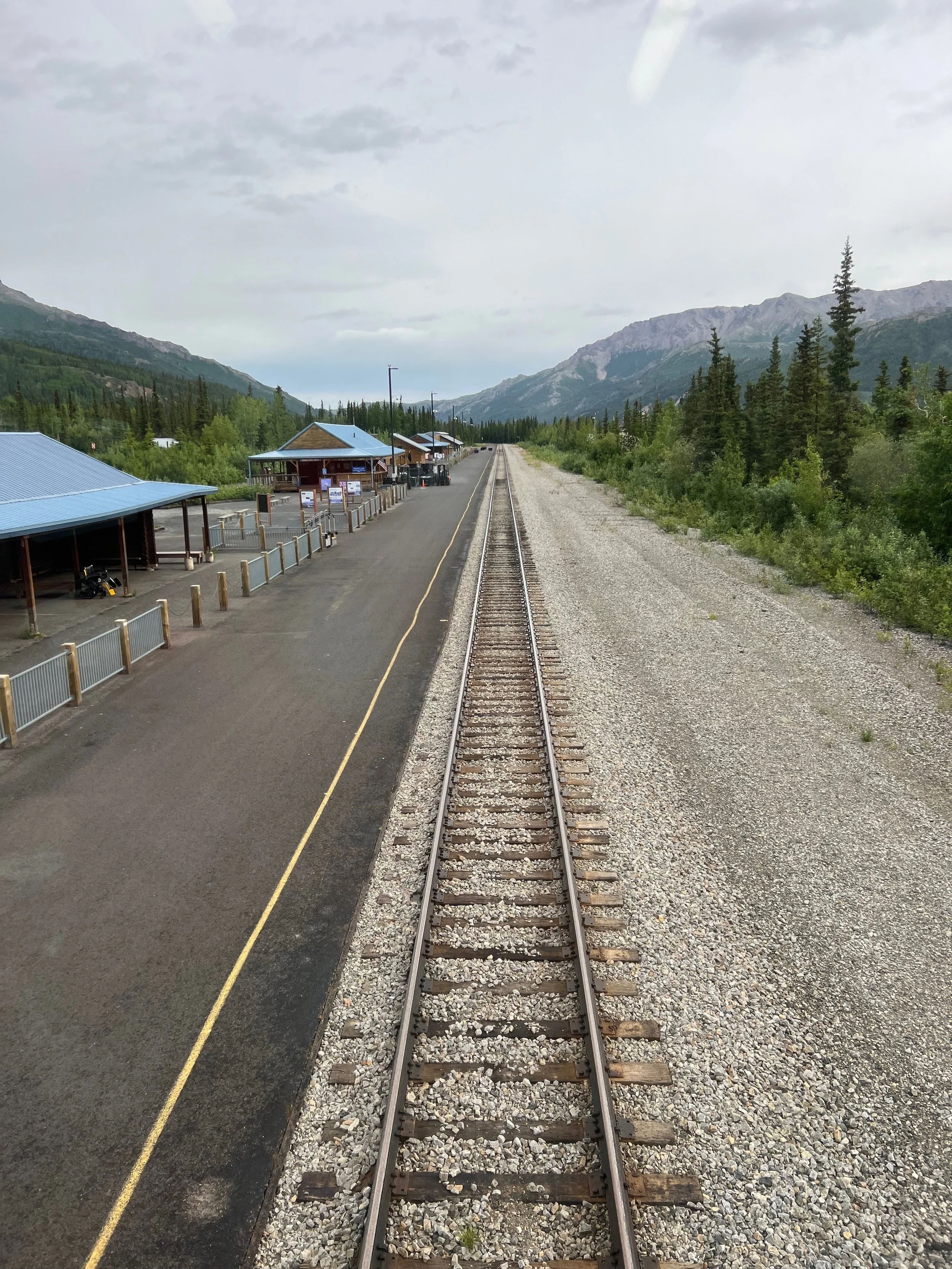
trains or ferries
Denali planning
activity reservations in high-demand areas
Cruise plus land
This is often the version of Alaska that benefits most from planning ahead. When your trip includes several moving parts, it becomes more important to secure the pieces that shape the overall route.
Book these first: the Alaska trip elements that matter most
1. Lodging in high-demand areas
If your trip includes places like Denali, Seward, Talkeetna, or popular summer towns in Southeast Alaska, lodging is one of the first things I would lock in.
This is especially true if you care about:
staying in a convenient location
having a view
walking access
finding a place with character
keeping to a certain budget
traveling with family or needing a larger room
Alaska is not always a destination where you can assume the best options will still be there later. In many places, they will not.

Mary’s perspective
This is one of the easiest mistakes to make from afar. Alaska can look open-ended on a map, but that does not always translate to abundant, easy lodging once summer demand picks up. If a place is central to your trip, I would rather have the right stay secured early than be left choosing between inconvenient leftovers.
2. Rental cars
For a road-based Alaska trip, rental cars often matter more than first-time visitors expect.
In some destinations, you can build a beautiful trip without one. In others, not having a car changes the experience significantly. And in summer, inventory can tighten fast, especially if you need:
a car for multiple days
a larger vehicle
an SUV
a one-way rental
a pickup or return schedule that fits a fixed itinerary
What to know
A rental car is not just transportation. In many parts of Alaska, it is access. If your itinerary depends on road freedom, I would treat the car as an early booking item, not a last-minute detail (rates do go up as the summer months move closer!).
3. Alaska Railroad segments
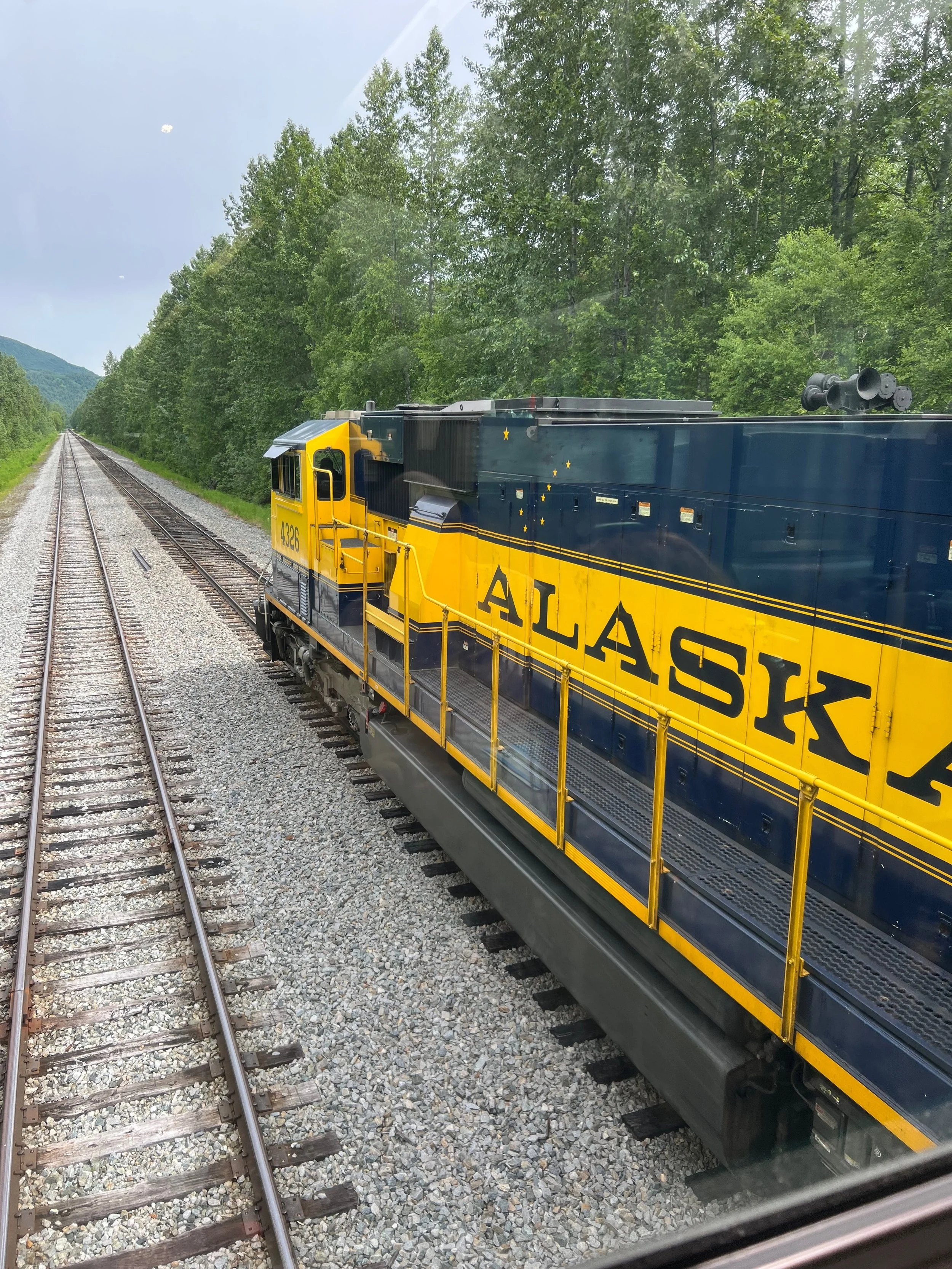
A lot of travelers think of the Alaska Railroad as something they will add later, once the rest of the trip is set. But if the train is part of the dream, I would book it intentionally.
This matters most on routes connecting places like:
Anchorage and Seward
Anchorage and Denali
Anchorage and Fairbanks
If a rail segment is central to the mood or movement of the trip, it deserves early attention.
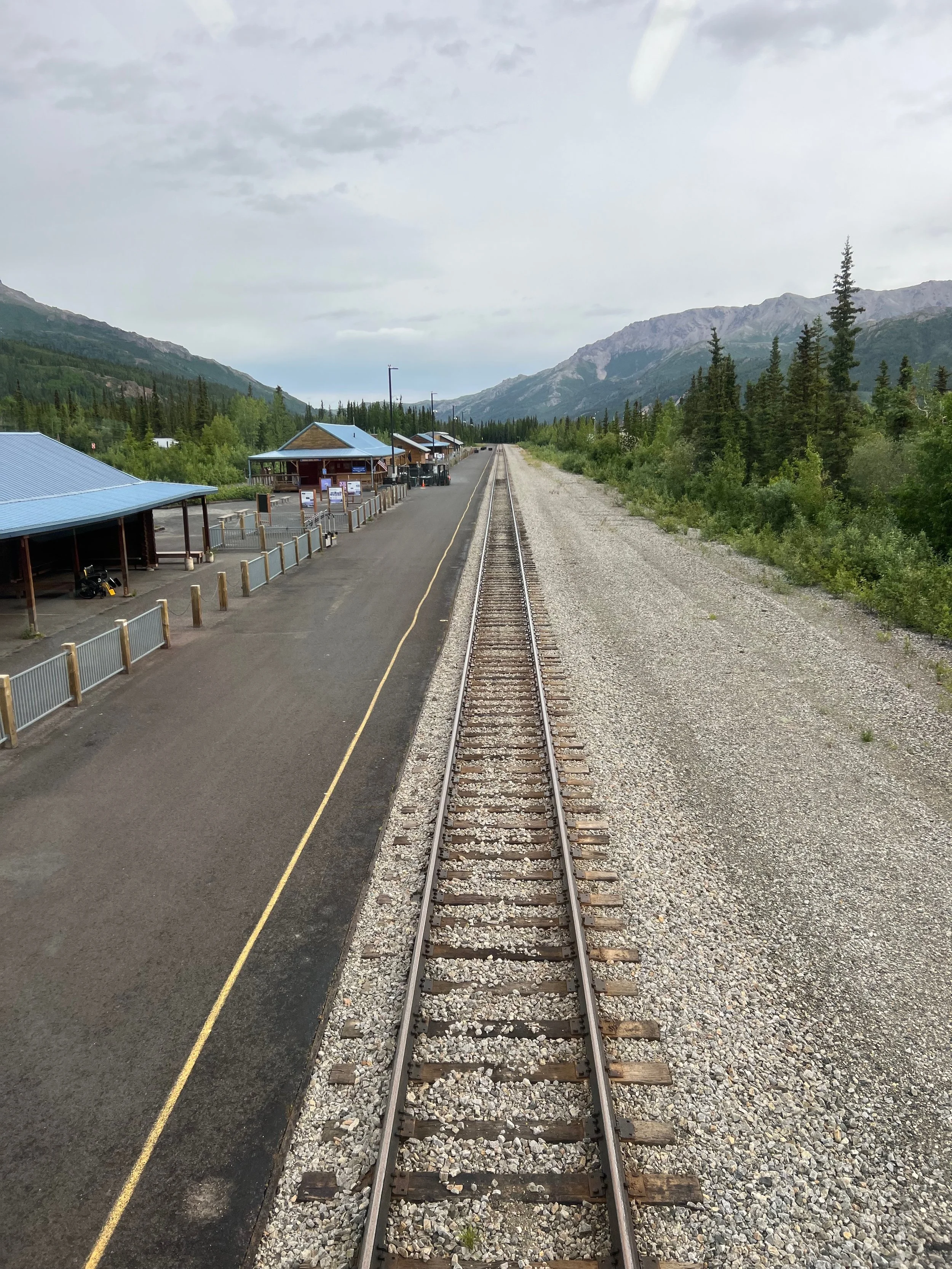
Mary’s perspective
The train in Alaska is not only transportation. For many travelers, it is part of the actual experience they are hoping to have. If that is true for you, do not treat it like an afterthought.
4. Alaska Marine Highway ferry segments
If you are planning a Southeast Alaska trip by ferry, book the ferry once your route is firm enough.
This is especially important if you are:
traveling with a vehicle
moving between multiple communities
working with fixed dates
traveling in peak summer
relying on the ferry as a structural part of the trip
Mary’s perspective
The Alaska Marine Highway can be one of the most memorable ways to move through Southeast. But if your trip depends on it, I would not leave it loose for too long. Ferry planning in Alaska is not always casual, especially once you add timing or vehicle space into the equation.
5. Must-do excursions
Not every Alaska activity needs to be pre-booked. But the ones that truly matter to you should be.
This might include:
whale watching
a floatplane trip
a fishing charter
a glacier helicopter tour
a zipline
a small-group wildlife outing
a photography-oriented excursion
a signature shore excursion during a cruise stop
The key is to distinguish between the experiences you would enjoy and the one or two you would be genuinely disappointed to miss.
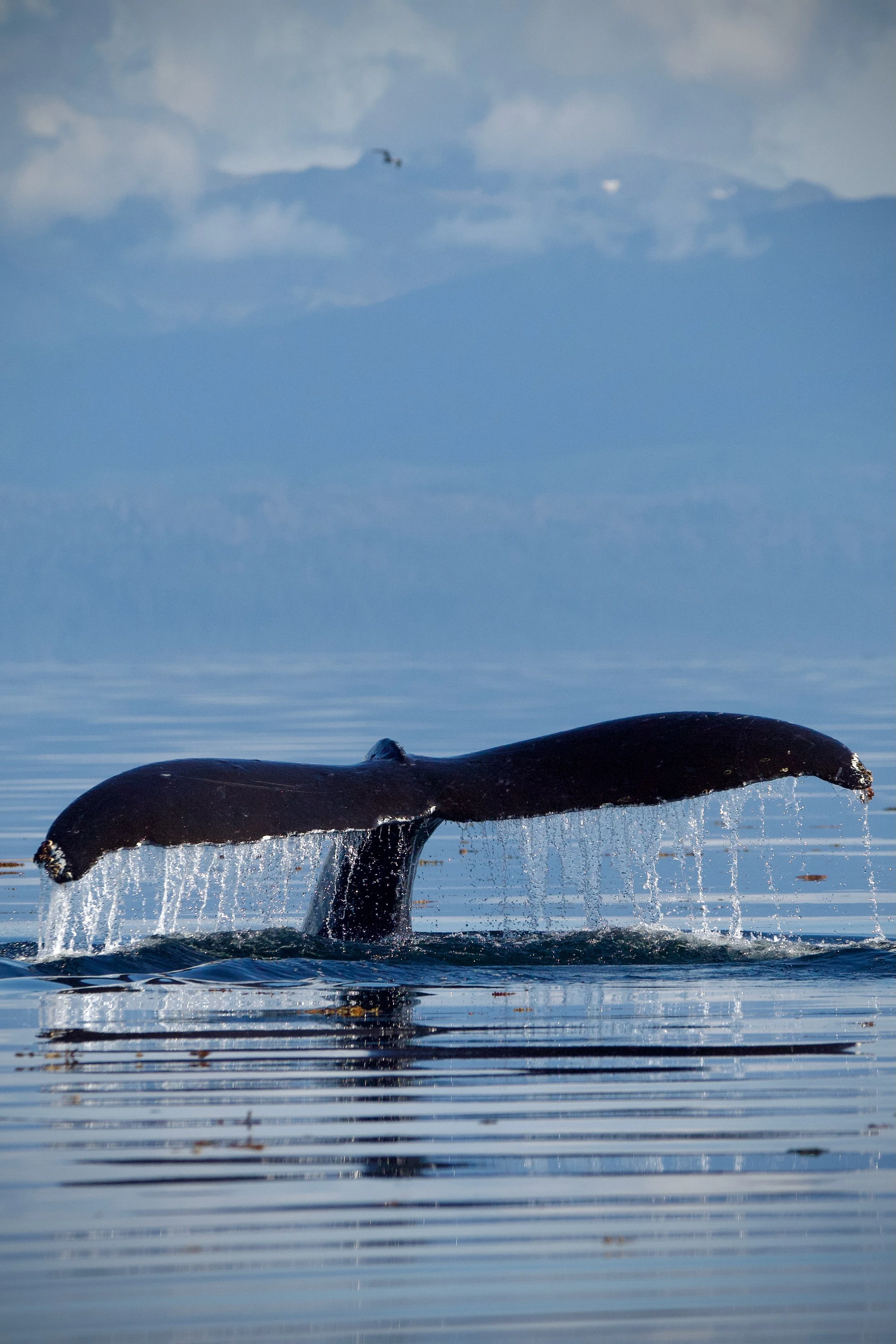
Mary’s perspective
This is where I would be selective, not maximal. Alaska does not need to be overprogrammed. But if there is one experience that feels central to why you are coming, that is the one to secure early.
6. Denali transportation and logistics
Denali often requires more forethought than people expect.
If Denali is on your itinerary, think ahead about:
how many nights you want there
where you are staying
how you are getting there
how you plan to experience the park
whether transportation is part of the structure of your visit
This is one of those parts of Alaska where the trip tends to go better when you make a few key decisions before you arrive.
Mary’s perspective
Denali is iconic, but it is not as simple as many first-time visitors assume. It is one of the clearest examples of a place that rewards a little more planning upfront.
7. Bear viewing, flightseeing, and specialty wildlife experiences
Some Alaska experiences are popular. Others are limited by design.
The ones I would book early include:
bear viewing trips
flightseeing tours
glacier landings
specialty wildlife charters
small-capacity outdoor experiences
anything remote, weather-sensitive, or highly seasonal
These are often the experiences with the least replacement value. If missing one would materially change the trip, it belongs on your early booking list.
8. Pre- and post-cruise hotels
If you are cruising to or from Alaska, do not overlook your hotel nights on either side of the trip.
These stays are often treated like an afterthought, but they can make a real difference in how stressful or smooth your travel days feel.
Book early if you want:
a well-located hotel
fewer transfer headaches
a calmer arrival day
a better room at a better price
extra buffer before a cruise departure
Mary’s perspective
This is not the glamorous part of planning, but it is one of the most practical. A well-timed hotel stay before or after a cruise can make the whole trip feel more grounded.
What can usually wait until later?
Not every part of an Alaska trip needs to be locked in months ahead.
In many itineraries, you can leave more flexibility around:
casual meals
museums
shops
scenic walks
easy half-day activities
lower-priority excursions
weather-dependent decisions
One of the most common planning mistakes I see is booking too much too early. Alaska usually benefits from some breathing room.
Leave room for the trip to unfold
Part of Alaska’s appeal is that it still feels a little less scripted than many destinations. Weather shifts. Wildlife appears when it appears. Some of the best moments are the ones you make space for.
The goal is not to pre-book everything. The goal is to protect the parts of the trip that would be hard to replace.
A practical booking order for first-time Alaska travelers
If you want a simple way to think about it, here is the order I would use.
Book first
Lock in the framework
travel dates
cruise or major route
high-demand lodging
rental car, if needed
Book next
Secure the trip-shaping pieces
train or ferry segments
Denali logistics
must-do excursions
specialty wildlife or flightseeing tours
Book later
Leave room for flexibility
lower-priority activities
some restaurants
extra filler items
weather-based additions
Common mistake: assuming Alaska must be fully booked out to be done well
There is a version of Alaska planning that becomes too rigid too fast.
People worry about missing something, so they reserve every excursion, every meal, every slot, and every day starts to feel pre-decided before the trip even begins.
That is not usually the best version of Alaska.
A better approach is to reserve the pieces that shape the skeleton of the trip, then leave enough openness for weather, energy, and curiosity to guide the rest.
My take: what I would book in advance for an Alaska trip
If I were helping someone plan their first Alaska trip, I would focus first on the pieces tied to:
access
limited inventory
geography
transportation
short windows of availability
That usually means lodging, rental cars, ferries, trains, Denali logistics, and the one or two experiences that matter most.
Everything else can be built around that.
Alaska does not usually reward panic-booking every detail. But it does reward booking the right things early.
Frequently asked questions
How far in advance should I book an Alaska trip?
For summer travel, earlier is usually better for lodging, rental cars, ferries, trains, and specialty tours. The exact timing depends on where you are going and whether your itinerary is fixed or flexible.
What sells out first in Alaska?
Often the first things to tighten are well-located lodging, rental cars, vehicle ferry space, specialty wildlife experiences, and popular excursions in high-demand summer destinations.
Do I need to book excursions in advance for Alaska?
Not all of them. But if there is an experience you would be truly disappointed to miss, especially whale watching, bear viewing, flightseeing, or a popular cruise-port excursion, I would book that ahead.
Do I need to book Denali in advance?
Usually yes. Denali often works better when lodging, transportation, and your basic park plan are thought through in advance.
Should I book restaurants in advance in Alaska?
Usually not with the same urgency as lodging or transportation, though a few smaller or more in-demand places may be worth reserving if they are important to your trip.
Denali Bus Tours vs. Transit Buses: Which One Is Actually Right for Your Trip?
Denali bus tours and transit buses are not the same experience. Here’s what first-time visitors should know about the difference, what changed in 2026, and which one is more worth it for your trip.
If you are planning Denali for the first time, one of the most confusing parts of the trip is realizing that you are not just choosing whether to go into the park. You are also choosing how to experience it.
And in Denali, that choice matters.
A lot of first-time visitors assume the bus system is just one thing with slightly different names. It is not. Denali has narrated tour buses and non-narrated transit buses, and while they both take visitors into the park, they are built for different kinds of travelers. The National Park Service is explicit about that distinction: tour buses are narrated and guided by a driver-naturalist, while transit buses are non-narrated and are better for passengers who want the flexibility to get off and re-board for hiking or exploring.
And right now, this decision sits inside another reality travelers need to understand: Denali’s summer operations in 2026 are still shaped by the Pretty Rocks landslide and the Park Road closure at Mile 43. Both tour buses and transit buses are currently limited by that closure, with summer 2026 bus access reaching the East Fork area at Mile 43 rather than continuing deeper into the historic full road corridor.
So the question is not just, “Should I take the bus?”
In Denali, the better question is:
Do I want a guided, easier-to-understand version of Denali or a more flexible, more self-directed one?
That is the real split.
First, the one thing most people need to know
If you are imagining Denali as a place where you simply drive yourself deep into the park and make spontaneous stops all day, that is not the core summer experience for most visitors.
The National Park Service notes that sightseeing by bus on the Denali Park Road is the most popular summer activity, and both tour and transit buses require reservations. Summer bus service begins May 20 and runs into mid-September.
That means this bus decision is not a side detail. It is central to how a Denali trip actually works.
What is a Denali bus tour?
A bus tour in Denali is the more guided option.
These buses are narrated by a certified driver-naturalist, and the trip is designed to be interpretive rather than self-directed. The NPS says tour buses are not designed for passengers to disembark and re-board along the way, and they begin and end at locations around the park entrance rather than functioning like a flexible hop-on, hop-off system.
In other words, this is the version of Denali for people who want:
context
explanation
structure
a smoother first experience
less personal decision-making during the day
Tour buses are tan-colored, and for summer 2026 the NPS lists options such as the Denali Natural History Tour and the Tundra Wilderness Tour, with the latter traveling to the East Fork River area near Mile 43 under the current road-access limits.
If you are someone who likes guided experiences, wants help understanding what you are seeing, or simply wants the easiest version of the Denali bus system on a first trip, the tour bus is often the cleaner choice.
What is a Denali transit bus?
A transit bus is the more flexible option.
The NPS describes these as non-narrated buses. They still pause when wildlife appears, and they still take you into the park, but they are designed differently. Transit buses are better for visitors who want to get off the bus for hiking, picnicking, or spending time in specific areas, then board another transit bus later.
This is the version of Denali for people who want:
more independence
more flexibility
less formal guiding
a lower-structure day
a trip that feels a little more self-directed
Transit buses are green, and because they are not built around the same driver-naturalist format, they tend to appeal more to travelers who do not need constant narration to enjoy a landscape.
That said, “more flexible” does not mean “casual.”
Denali transit buses still run within a specific system. They are reservation-based, seasonal, and shaped by road access limits. In 2026, they also go no farther than Mile 43 because of the road closure.
The biggest difference is not comfort. It is trip style.
This is where I think generic travel advice often falls flat.
It treats the decision like a feature comparison:
guided versus unguided
shorter versus longer
tan bus versus green bus
That is technically true, but it misses the more useful distinction.
The real difference is this:
A tour bus helps interpret Denali for you.
A transit bus gives you more room to shape your own Denali day.
That is the decision.
If you are nervous about getting it wrong, if this is your first national park-style bus experience, or if you know you enjoy guided storytelling, the bus tour often makes more sense.
If you are the kind of traveler who gets restless when every moment is programmed, the transit bus is usually the more interesting choice.
Which is better for first-time visitors?
For many first-time visitors, I think the honest answer is: it depends on how you like to travel, not just how much you know about Denali.
I would lean toward a bus tour if:
you want the easiest first experience
you like having a driver-naturalist explain the landscape, wildlife, and history
you do not want to worry about timing your own stops
you are treating Denali as a major sightseeing day rather than a hiking day
I would lean toward a transit bus if:
you like more freedom
you want the option to get off and spend time outside the bus
you prefer less structure
you are comfortable doing a little more planning yourself
My interpretation, not a hard rule, is that many first-time visitors think they should choose the “more independent” option because it sounds more adventurous. But not everyone actually enjoys more independence in practice. Some people have a much better day when someone else is handling the interpretive side and the shape of the experience.
There is no virtue in choosing the more complicated option if it does not match how you travel.
What about the free shuttles?
This is where people sometimes get confused.
Denali also has free buses around the entrance area in summer, including the Savage River Shuttle, the Riley Creek Loop Shuttle, and the Sled Dog Demonstration Shuttle. These are different from tour and transit buses. They help visitors move around the entrance area and access nearby trails or facilities, but they are not substitutes for the longer in-park transit or tour experiences.
The Savage River Shuttle, for example, is useful if you only have a couple of hours or want a shorter bus ride into the park, but it is not the same thing as booking one of the longer, reservation-based Denali bus trips.
That distinction matters if you are trying to decide how much of Denali you are really experiencing.
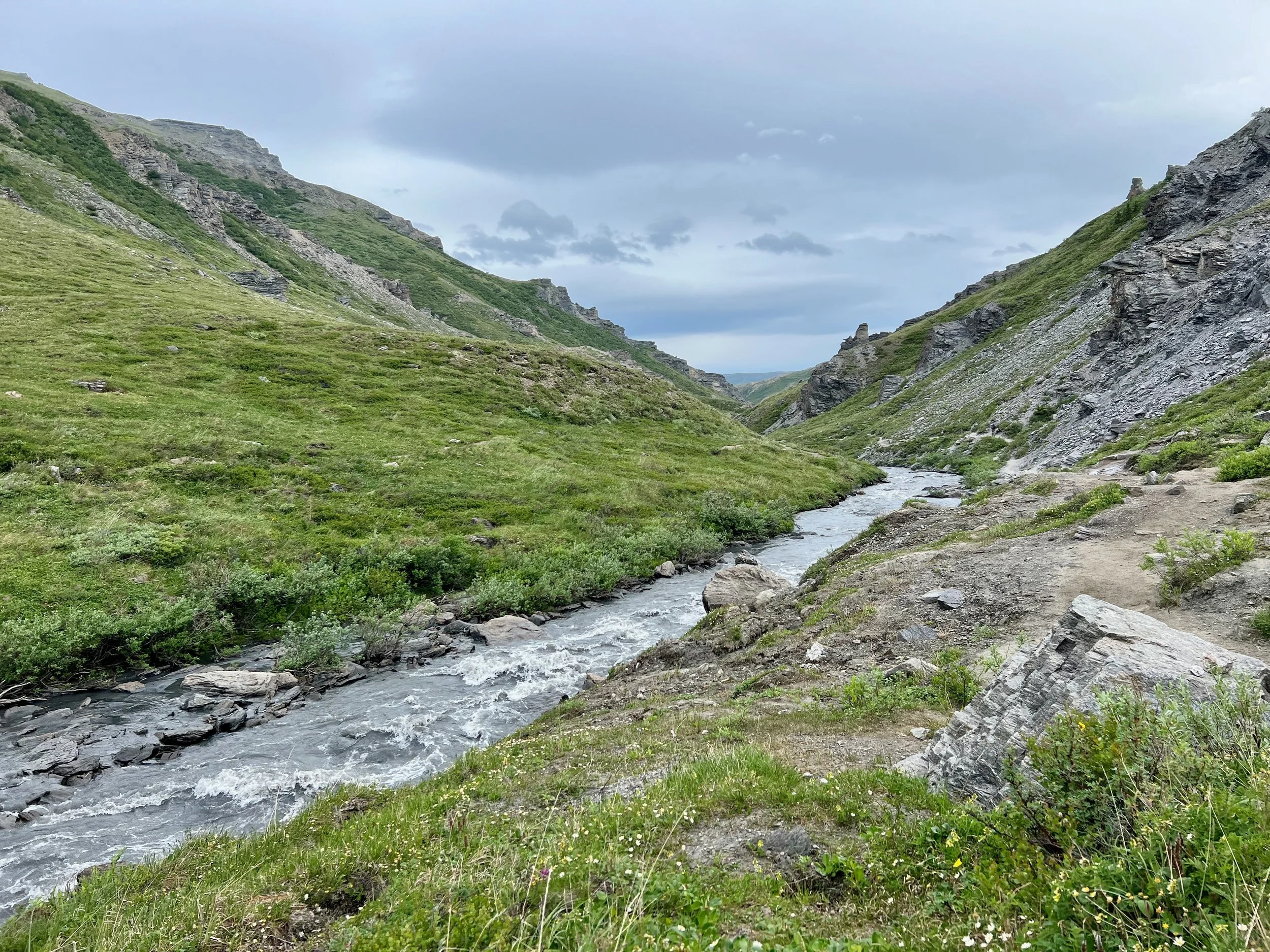
View of Savage River (beautiful spot and easy trails right around the river)
My honest recommendation
If this is your first Denali trip and you mostly want to understand the park well, choose a bus tour.
If this is your first Denali trip and you mostly want to experience the park more on your own terms, choose a transit bus.
That is the cleanest answer I can give.
And if you are torn, I would not overcomplicate it. Ask yourself one question:
Do I want Denali explained to me, or do I want more room to move through it myself?
That will usually tell you which bus fits you better.
Final take
Denali bus tours and transit buses are not interchangeable.
Both are shaped by the current 2026 road-access limits, both remain central to the summer Denali experience, and both can be worth it. But they serve different travelers. Tour buses are better for people who want a guided, narrated, easier first experience. Transit buses are better for people who want flexibility and are comfortable taking a more self-directed approach.
In other words:
Choose the bus that matches how you travel, not the bus that sounds best on paper.
Where to Stay Near Denali: A First-Timer’s Guide to Choosing the Right Base
Where you stay near Denali changes the feel of the trip more than many first-time visitors expect. Here’s how I’d think about the entrance area, Healy, and what kind of base makes the most sense for your trip.
One of the easiest ways to make Denali feel harder than it needs to is to treat lodging like an afterthought.
That might work in some destinations. It does not work especially well here.
Denali is not just a place you “stop by.” It is a place where rhythm matters: how early you need to be up, how close you are to the buses, whether you want your evenings to feel convenient or quiet, whether you are planning around a full park day or using Denali as one stop in a larger Alaska route. The National Park Service makes clear that trip planning in Denali starts with deciding where you are staying and for how long, and that just getting to the park can take half a day or more.
And this is where first-time travelers can get slightly misled.
They assume “staying near Denali” is one obvious thing. It is not.
First, the one thing to know about Denali lodging
There are no NPS-run hotels in Denali. The park has campgrounds, but for hotel-style stays, your options are either outside the park or on private inholdings associated with the Denali entrance area. The NPS explicitly says there are no NPS-run hotels and points visitors to local lodging research outside the agency’s own recommendations.
That matters because many first-time travelers picture Denali like a national park with one obvious in-park lodge decision. Denali is a little different. The real lodging decision is usually less about “which park hotel?” and more about what kind of base do I want for this part of the trip?
My short answer
If this is your first Denali trip, I would usually recommend staying as close to the park entrance as your budget and preferences allow.
That is the cleanest answer.
Why? Because Denali is shaped by logistics more than some travelers expect. The park entrance is where the main summer visitor infrastructure clusters: the visitor center area, the bus depot area, access to free shuttle routes in summer, and the beginning of the Park Road experience. Staying close removes friction.
But that does not mean the entrance area is automatically right for every traveler.
Stay near the park entrance if you want the easiest Denali experience
For many first-time travelers, the entrance area is the best base because it keeps the trip simpler.
The NPS notes that the Denali Visitor Center is the main visitor center in summer, that free summer buses circulate around the entrance area, and that the Denali Bus Depot and visitor center are central bus stops for local shuttle movement. Summer is also the main season for Denali activities, with most visitor services available from late May through early September.
What that means in real life is this:
If you are staying near the entrance, your Denali days usually feel easier to execute. Early bus mornings are less annoying. Popping over to the visitor center is simpler. You are closer to the short trails and facilities that help the trip feel connected rather than fragmented. And if you are only staying two nights, that convenience matters even more.
This is the version I would recommend for travelers who:
are visiting Denali for the first time
want the least complicated setup
are booking a tour bus or transit bus day
only have a couple of nights
do not want to spend extra mental energy on commuting back and forth
My interpretation is that this is the best “default” answer for most first-time visitors.
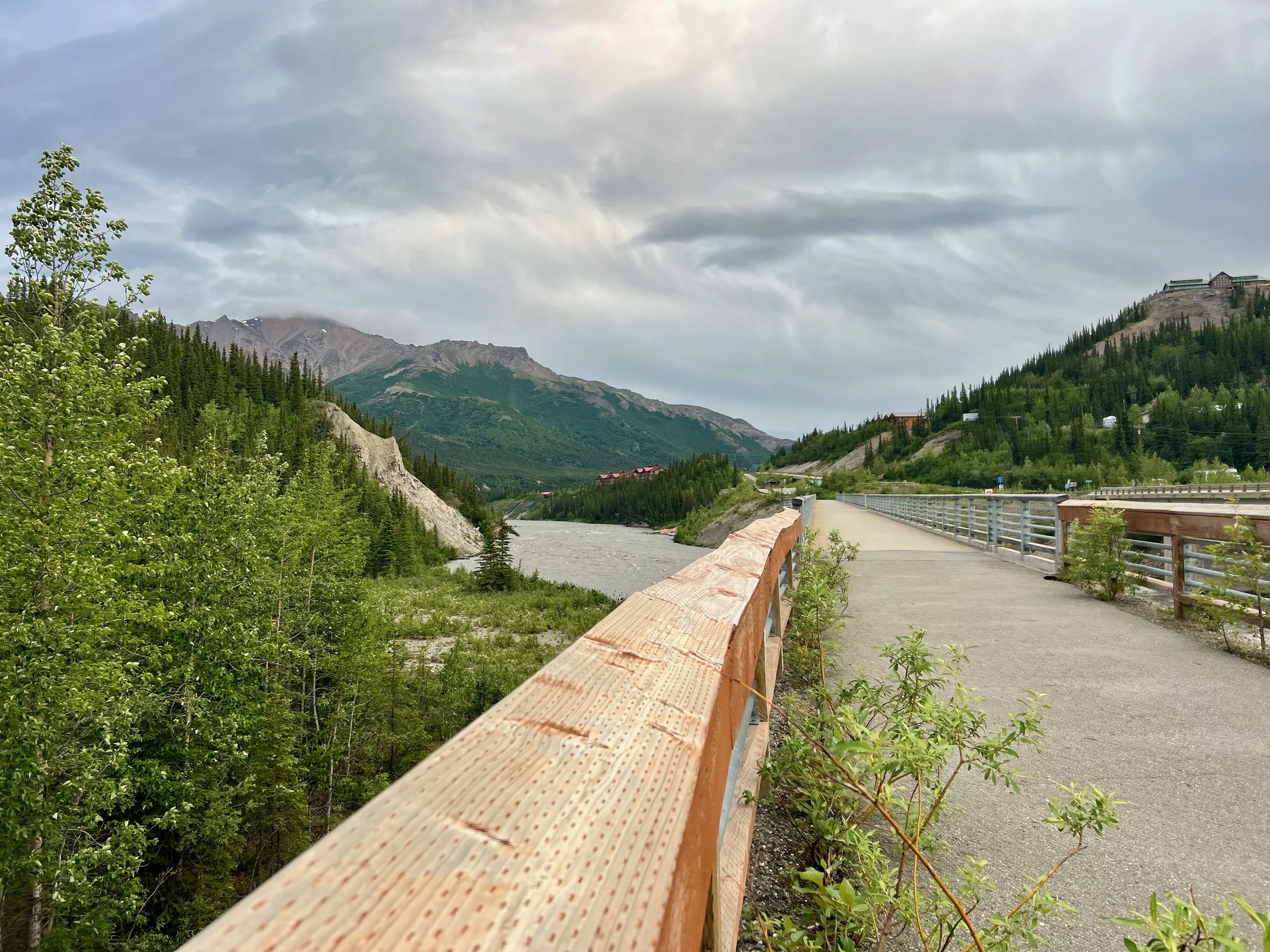
Stay in Healy if you want a little more separation and flexibility
The other practical base to know is Healy, the small town north of the Denali park entrance.
The NPS specifically notes that Healy is about 11 miles north of the entrance and that some year-round accommodations remain open there, especially when many seasonal properties near the park are still closed in spring.
That distance is not enormous, but it is enough to create a different feel.
Staying in Healy can make sense if you:
want slightly more separation from the main entrance-zone visitor flow
are comfortable driving to the park each day
are looking for a potentially broader mix of year-round practical lodging options
want your evenings to feel a little less like you are still “in the park corridor”
Healy is not far, but it is not the same as walking or quickly shuttling around the entrance area. So I would think of it as the more practical base, not necessarily the more seamless one.
So which area is better?
For most first-time travelers, I would still choose the entrance area over Healy.
Not because Healy is wrong. Because Denali is one of those places where proximity makes the experience feel cleaner and more intentional. The closer you are to the visitor center/bus/start-of-day rhythm, the more Denali tends to feel like the place you came for rather than something you are commuting into. The Park Road begins at the junction with the George Parks Highway at the entrance area, and summer exploration centers heavily on the restricted road and bus system from there.
That said, if you are comfortable with a short drive and care more about the feel or practical value of your base than being right at the entrance, Healy can be a completely reasonable choice. This is not a dramatic “good area versus bad area” situation. It is more about what kind of trip shape you want.
What about staying inside the park?
This is where wording can get slippery.
There are park campgrounds, and the NPS notes Denali has several of them. There are also some accommodations on private inholdings associated with the broader park area. But again, there are no NPS-run hotels.
So when people say they want to stay “inside the park,” they may mean one of three things:
camping in a park campground
staying very close to the entrance area
staying in a private accommodation associated with the Denali area rather than a classic national-park-lodge setup
That is one reason Denali lodging can feel confusing online. The categories are not always explained very cleanly.
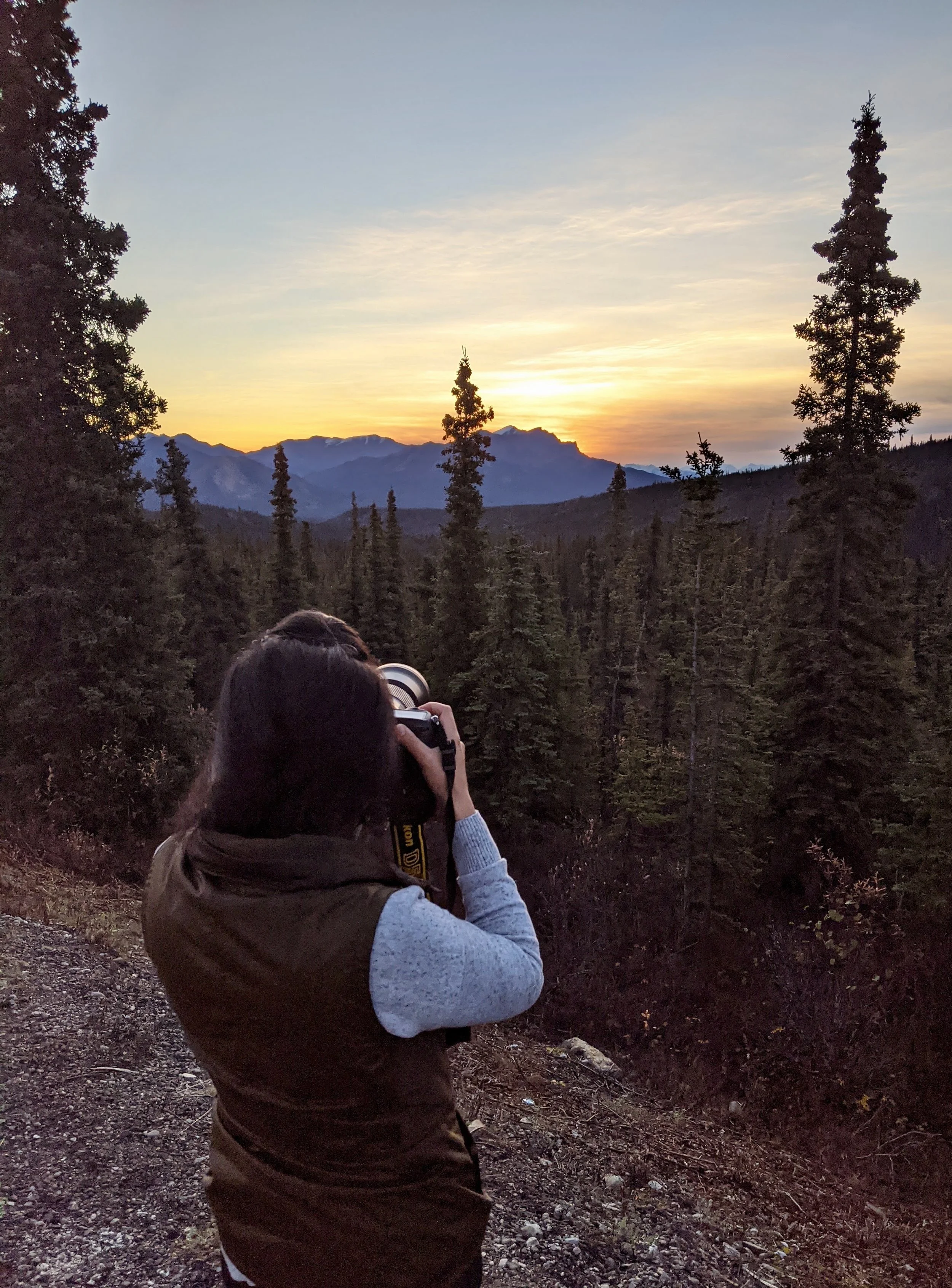
If you are camping, the calculus changes
If you are camping, the decision becomes less about hotel convenience and more about what kind of access and experience you want.
The NPS says Denali has six campgrounds in summer, and Riley Creek Campground at the park entrance remains open in spring as the only open campground during that period.
For campers, staying right at or near the entrance can make especially good sense because it keeps you tightly connected to the park’s summer transit and visitor infrastructure. If your trip is camp-forward, this is one of the places where the entrance-area base can feel especially logical rather than just convenient.
What I’d actually recommend
If I were advising a first-time traveler in a practical, slightly opinionated way, I would say:
Choose the entrance area if:
this is your first Denali trip
you are taking a bus tour or transit bus
you are only staying two nights
you want the least friction possible
you want Denali to feel central, not peripheral
Choose Healy if:
you do not mind driving in each day
you want a more practical or slightly removed base
you are traveling in a shoulder period when some near-entrance lodging may be more limited
you prefer a bit more distance from the main visitor hub
That is the split I would use.
My honest take
Denali is one of those places where I would not get overly cute with lodging strategy on a first trip.
Stay close to the entrance if you can.
That is usually the better call because Denali is already asking you to think about bus reservations, park timing, and how you want to structure your days. There is no prize for adding unnecessary friction if what you really want is a Denali trip that feels smooth, grounded, and well-shaped. The NPS emphasizes that bus trips require reservations, summer operations are concentrated in a defined season, and entrance-area infrastructure is central to how most visitors experience the park.
That does not mean Healy is a mistake.
It just means the entrance area is usually the stronger first answer.
(I stayed in Healy at a small B&B and had a beautiful time - the drive to / from the park was a bit further away)
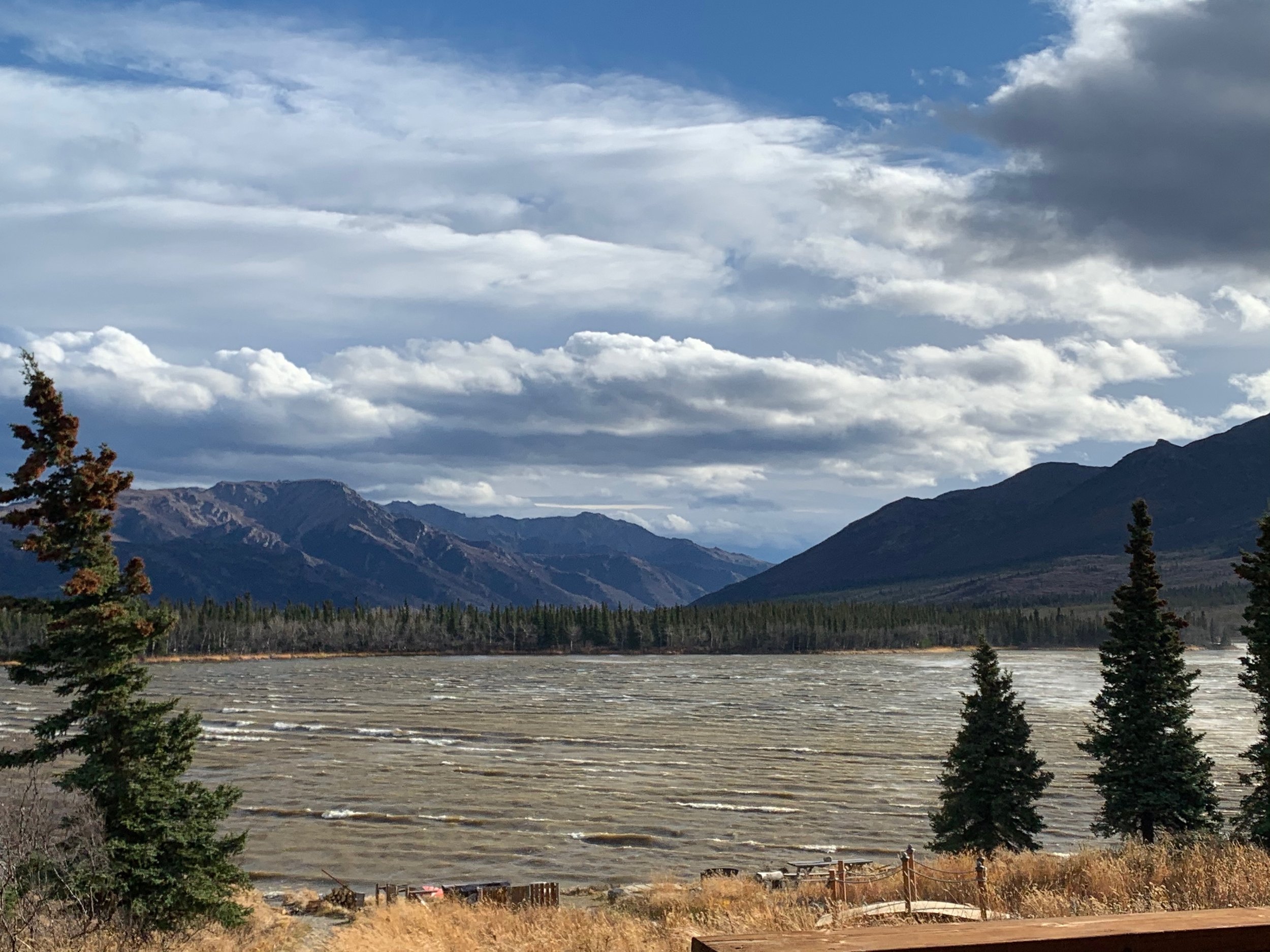
Final take
For most first-time travelers, the best place to stay near Denali is near the park entrance. It keeps the trip simpler, keeps you closer to the visitor center and bus infrastructure, and helps Denali feel like the point of the stay rather than a place you are traveling into each morning. Healy is still a solid alternative, especially for travelers who want a bit more separation or are comfortable with a short drive.
The real goal is not to find the “best hotel.”
It is to choose the base that makes your version of Denali feel easiest to inhabit.
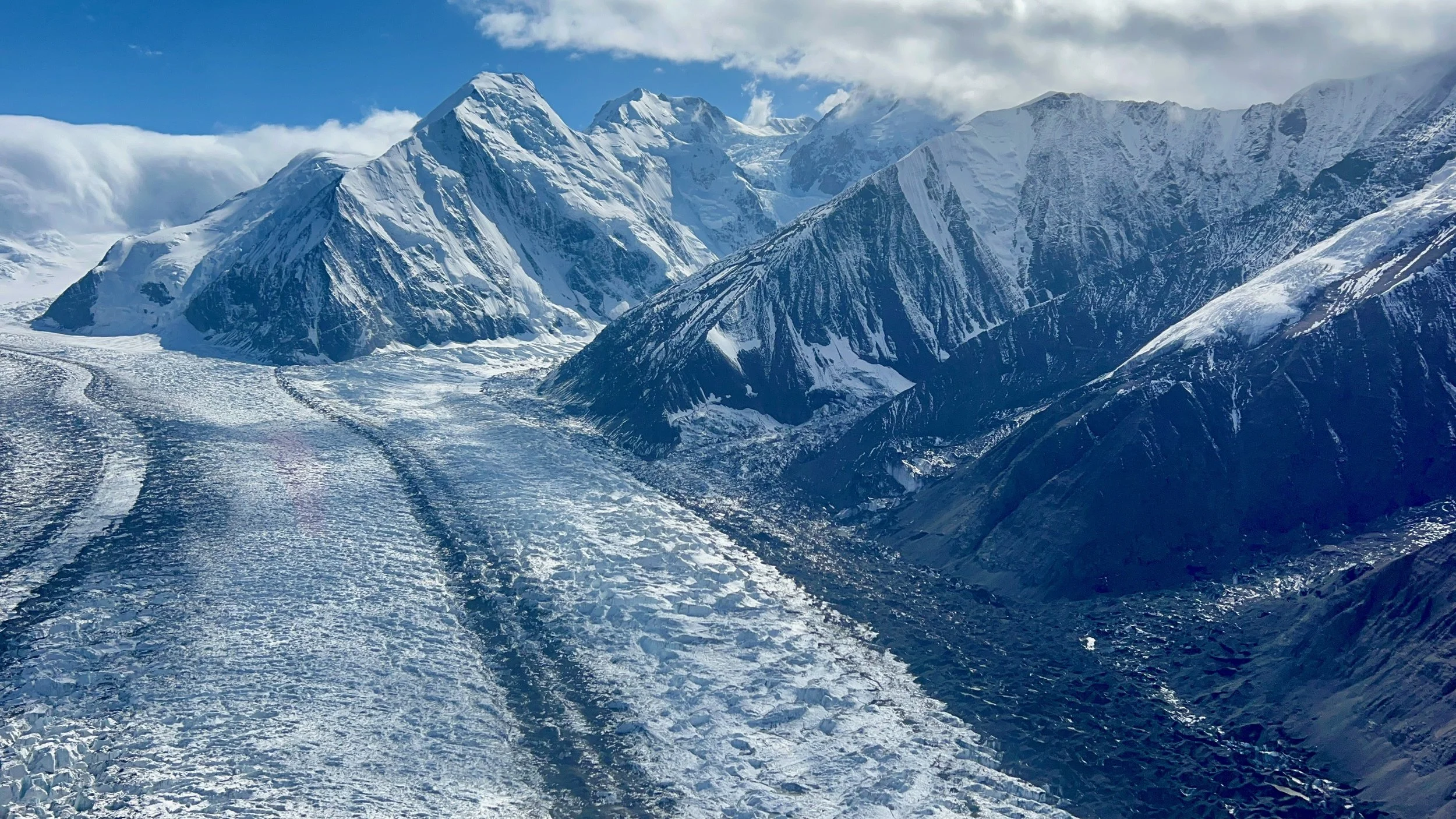
Best Time to Visit Denali: What Changes From May to September
The best time to visit Denali depends on the kind of trip you want. Here’s what changes from May through September, what first-time travelers should know, and why Denali feels different month to month.
When people ask for the best time to visit Denali, they usually want a clean, simple answer.
But Denali does not really work that way.
There are Alaska destinations where the “best time” question is mostly about weather or crowds. Denali is a little different. In Denali, the season shapes the entire character of the trip. It changes what is operating, how easy the experience feels, how much flexibility you have, and even the emotional tone of the place.
So the better question is not just, when should I go to Denali?
It is: what kind of Denali do I want?
That matters even more right now because Denali’s visitor experience is still shaped by the Pretty Rocks landslide and the continuing Park Road closure at Mile 43. The National Park Service says summer 2026 operations are still affected by that closure, so travelers should plan with current conditions in mind rather than older expectations.
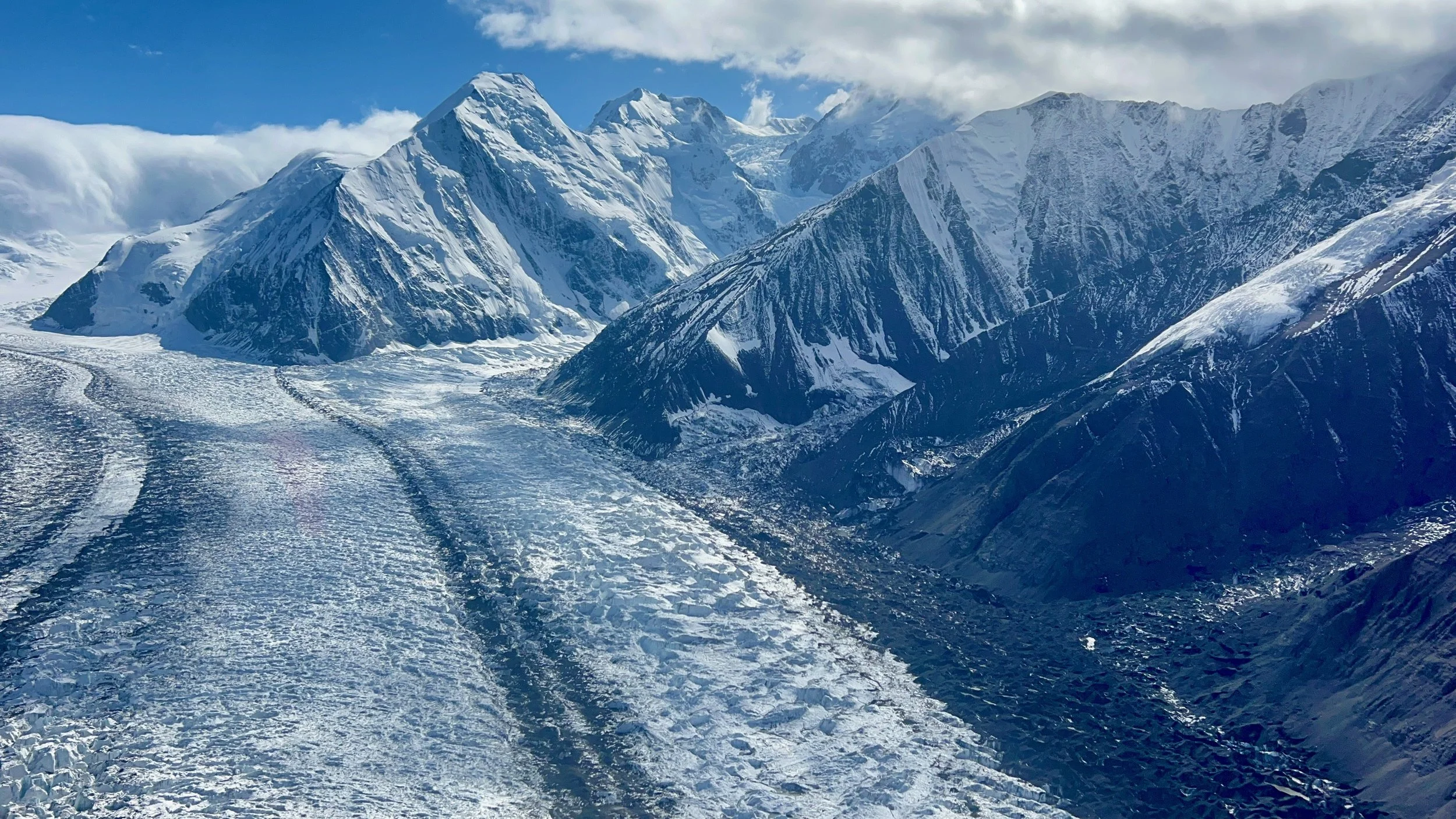
View from a fixed wing airplane over Denali National Park
My short answer
For most first-time travelers, June and July are the safest answers.
That is when Denali feels most open, most legible, and most aligned with what people usually imagine when they picture a summer national park trip. The main visitor season runs from roughly May 20 to mid-September, and summer is the only time buses operate within the park. Since buses are such a central part of how visitors experience Denali, that seasonal window matters a lot.
But that does not mean the answer is automatically June or July for everyone.
Denali changes by month in ways that are actually worth understanding.
Denali in May
May is for people who like beginnings.
Late May marks the start of Denali’s main season, when the park starts shifting into summer mode. There is something beautiful about that timing. The season is opening, the energy is returning, and the place can feel a little rawer and less settled than it does later in summer. The tradeoff is that early-season travel can still feel transitional, especially if you are someone who likes your trip to feel fully “on.”
I would recommend May to travelers who:
like the feeling of arriving just as a place is waking up
are comfortable with a little more unpredictability
do not need Denali to feel fully polished to enjoy it
I would not make May my first recommendation for someone who wants the easiest, fullest first impression of Denali.
Denali in June
June is one of the strongest months for a first trip.
This is when Denali starts to hit a particularly good balance: the main season is underway, the park feels active, the logistics make sense, and the long daylight gives everything a more expansive feeling. If you are building your first Alaska itinerary and want Denali to feel spacious without feeling late-season, June is a very strong choice. Most visitor services and activities are available between late May and early September, and the main visitor center is open daily during summer.
June is the month I would recommend to someone who wants:
a classic first Denali experience
a trip that feels open and summery
a good balance between access and atmosphere
If you want the version of Denali that feels easiest to love on a first visit, June is hard to argue with.
Denali in July
July is peak summer, and for many travelers, that is exactly the point.
This is the month for people who want Denali in its most straightforward, fully summer identity. Services are operating, buses are running, and the park is firmly in its main rhythm. Since sightseeing by bus is the primary way to experience Denali in summer, July works well for travelers who want the clearest version of that experience.
But July also has a slightly different feel than June.
June often feels a touch fresher. July feels more fully arrived.
That does not make one better than the other. It just means the energy is different. If your Alaska trip falls in July, I would not hesitate to include Denali. It is still one of the strongest times to go.
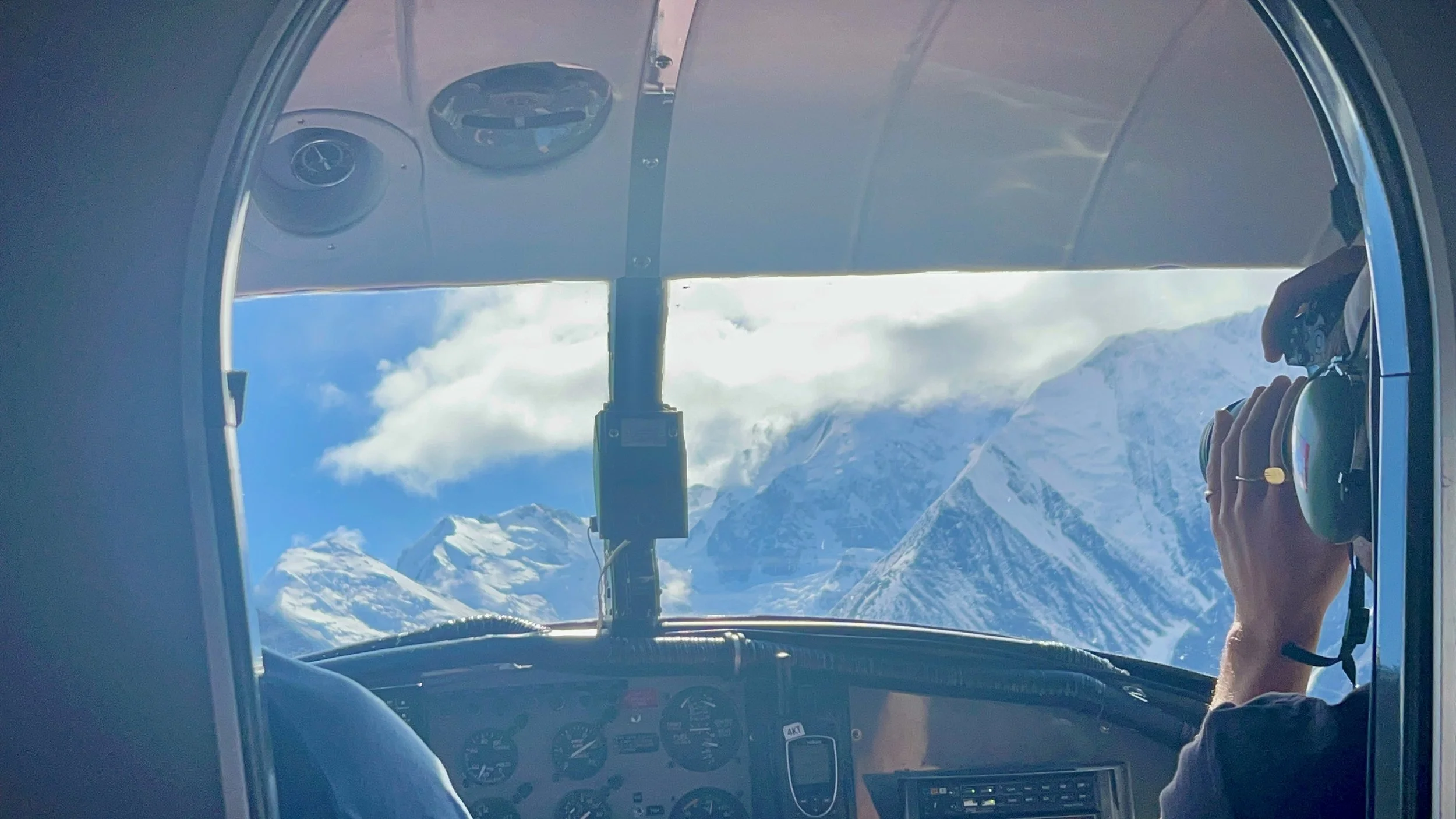
Denali in August
August can be lovely, especially for travelers who are drawn to a slightly moodier late-summer version of Alaska.
Denali is still in its main season, and for many people August feels a little softer around the edges than June or July. The landscape can feel more atmospheric. The emotional register can shift from bright, open summer into something a little quieter.
This is less about hard logistics and more about tone.
If June feels like possibility and July feels like full summer, August can feel more reflective.
That is not a universal truth. It is an interpretation. But it is often how the month lands.
I like August for travelers who:
want summer access without needing peak-season energy
are drawn to a slightly softer, more atmospheric trip
do not mind that the season feels a little farther along
Denali in September
September is where Denali starts becoming a different trip.
The NPS defines fall as beginning in mid-September, and shoulder season comes with fewer services than summer. Summer ends around the second weekend after Labor Day, and that change matters because summer is the only time buses operate within the park. Once you move into shoulder season, you are no longer planning the same kind of visit.
That does not mean September is a bad time to go.
It means September is a more specific choice.
I would point travelers toward September if they are actively drawn to:
edge-of-season atmosphere
a more limited, more seasonal version of Denali
a trip that feels starker and less conventionally easy
I would be more cautious about September for first-time travelers who simply want the easiest Denali trip possible. For them, June or July is usually the better answer.
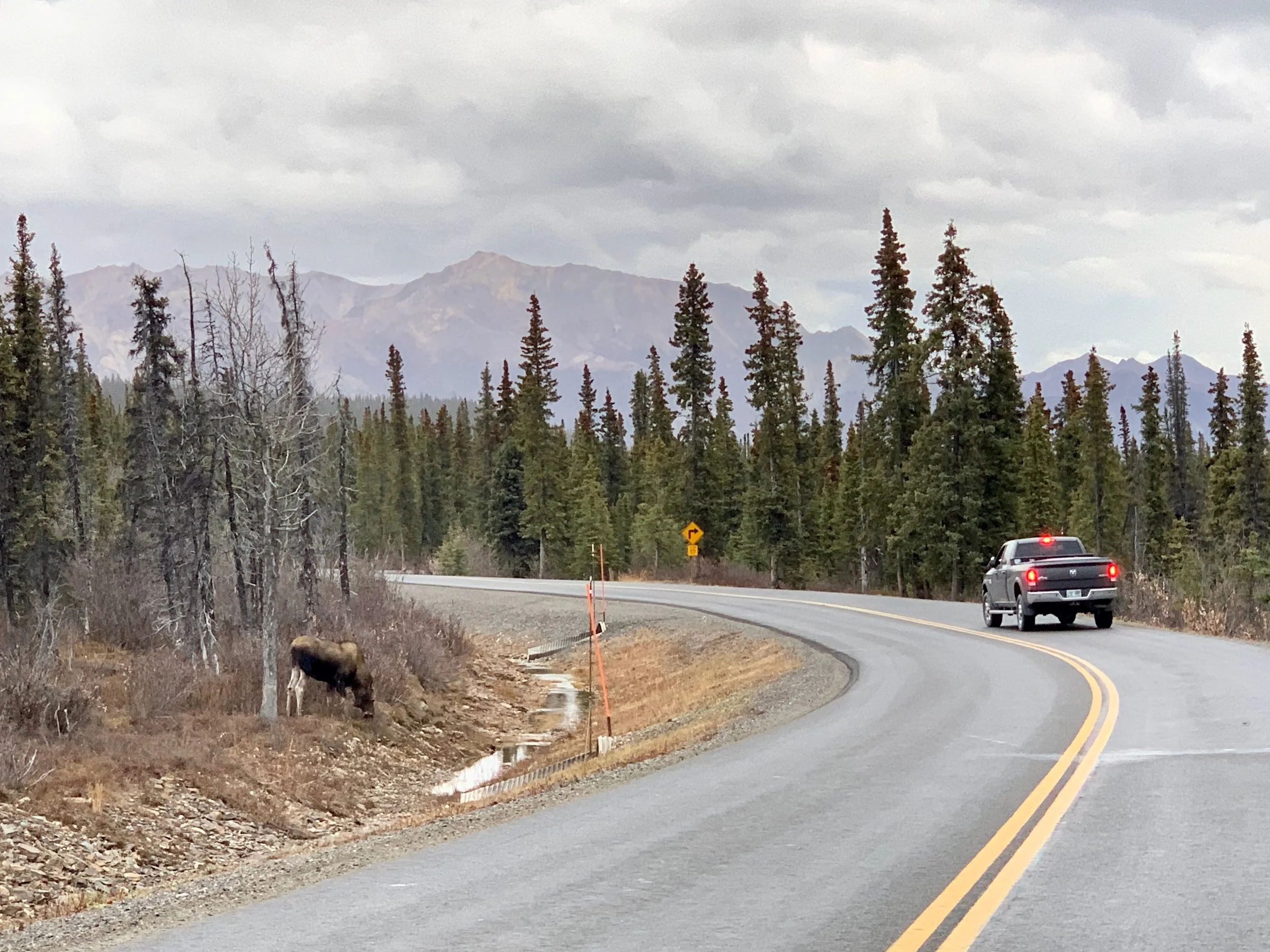
However, here’s a photo from one of the times I was there in September. There was a drastic shift between the landscapes and the mountains. Moose were roaming throughout the park as their rut season is late August through mid-October.
So when is the best time to visit Denali?
For most first-time travelers, my answer is still June or July.
That is the simplest, strongest recommendation because the park is in its main season, buses are operating, visitor services are available, and the overall experience is easiest to understand and plan.
But if I were saying it in a more Alaska Edit way, I would put it like this:
Go in June if you want a Denali that feels open, spacious, and beautifully timed for a first impression.
Go in July if you want the clearest full-summer version of the trip.
Go in August if you like a softer, slightly moodier late-summer atmosphere.
Go in September only if you are intentionally choosing a more limited shoulder-season experience.
That is the real answer.
The best time to visit Denali is not one perfect month.
It is the month that matches the kind of Alaska you want to have.
How Many Days Do You Need in Denali? What I’d Actually Recommend
How many days should you spend in Denali? If you are planning your first trip, here’s the honest answer: two nights is the minimum, three is often the better call, and rushing Denali is almost always a mistake.
One of the most common Denali planning questions is also one of the most important: how much time do you actually need there?
And the honest answer is that Denali is one of the worst places in Alaska to rush.
That does not mean you need to stay forever. It means Denali is not a destination that gives its best self to people trying to squeeze it into the tightest possible slot.
There are some places where one fast day is enough to get the gist. Denali is usually not one of them.
My short answer
If you want the cleanest answer first:
1 night is possible, but tight
2 nights is the minimum I would recommend for most travelers
3 nights is the better rhythm if Denali really matters to you
That is the practical framework.
But the reason behind it matters more than the framework itself.
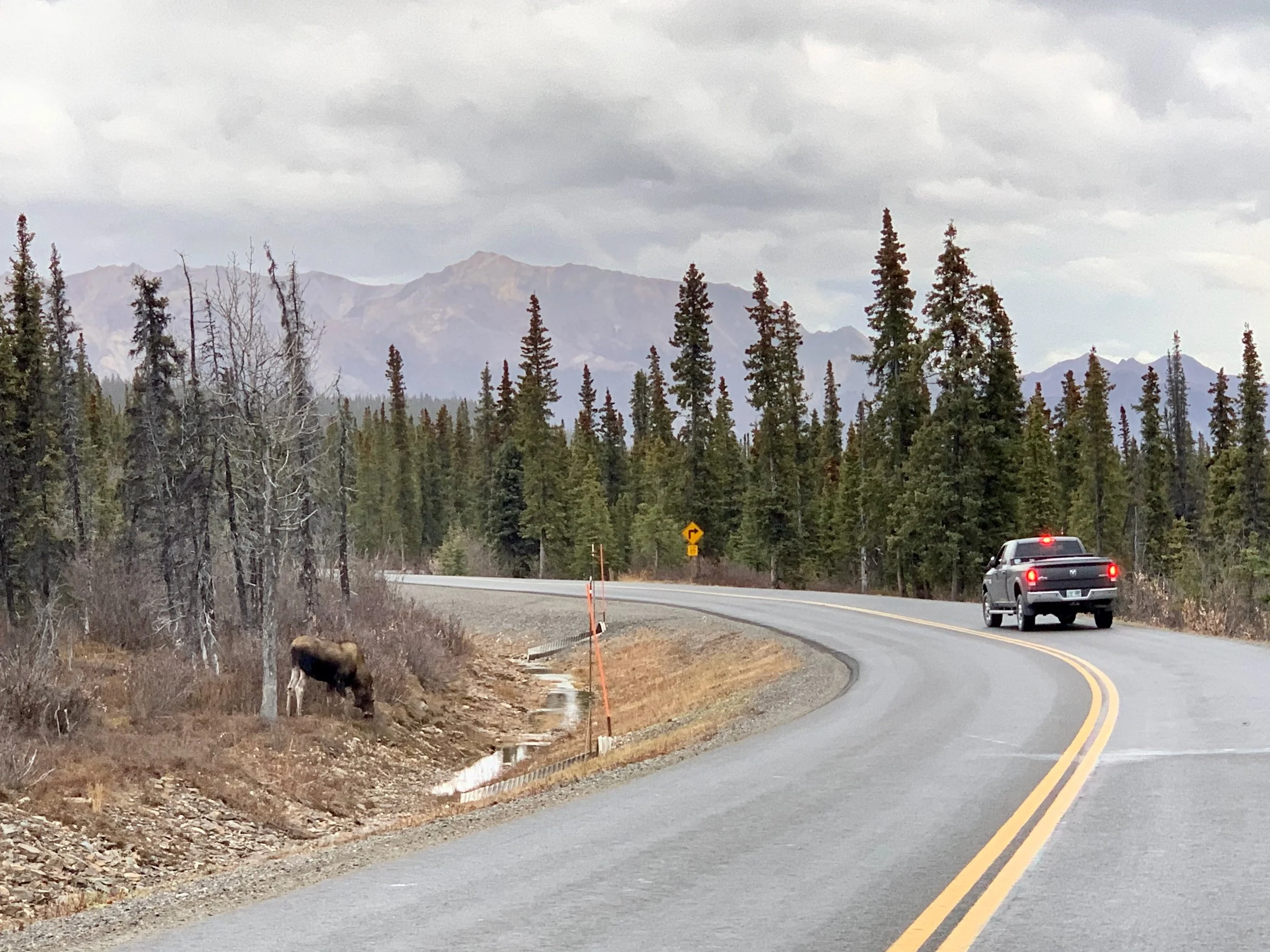
It is common to see traffic pull over to observe wildlife (like this moose!)
Why Denali needs more room than people expect
Denali is not only about “things to do.” It is about how the place unfolds.
That is part of why generic travel advice can get this wrong. It treats Denali like a town-based destination where you simply arrive, see the sights, and move on. But Denali is shaped by longer distances, variable weather, a more patient park rhythm, and an experience that often builds through time rather than instantly.
Even the structure of visiting pushes you in that direction.
Denali is not at its best when you are breathlessly arriving, trying to force one good look at it, and leaving again the next morning. It is at its best when you have enough room for the place to become more than a checkbox.
Is one day in Denali enough?
One day is enough to technically visit Denali.
It is usually not enough to feel that Denali was well experienced.
If you have only one day, you can still get your bearings, explore the entrance area, and begin to understand the scale and feel of the place. But one day leaves almost no margin for the thing Denali most requires: openness to what the day gives you.
And that matters because Denali is not a certainty-driven destination.
You may get clear views. You may not.
You may see wildlife right away. You may not.
You may feel the grandeur instantly. Or it may arrive more quietly.
A single day does not give you much room for any of that.
So yes, one day is enough to say you went. But I would not call it enough if you actually want Denali to matter.
Two nights in Denali: the minimum that makes sense
For most first-time travelers, two nights is where Denali starts to feel worthwhile.
Two nights usually gives you:
enough time to settle in
one full day that is not split by arrival or departure
slightly more margin if weather shifts
a better chance of the stop feeling intentional instead of rushed
If Denali is one stop in a broader Alaska trip, this is often the most reasonable baseline. It lets you experience the place with some dignity, without requiring you to build your whole itinerary around it.
And honestly, that matters.
Because the real risk with Denali is not that you spend too much time there. It is that you move through it too quickly, then conclude it was underwhelming when the itinerary never really gave it a chance.
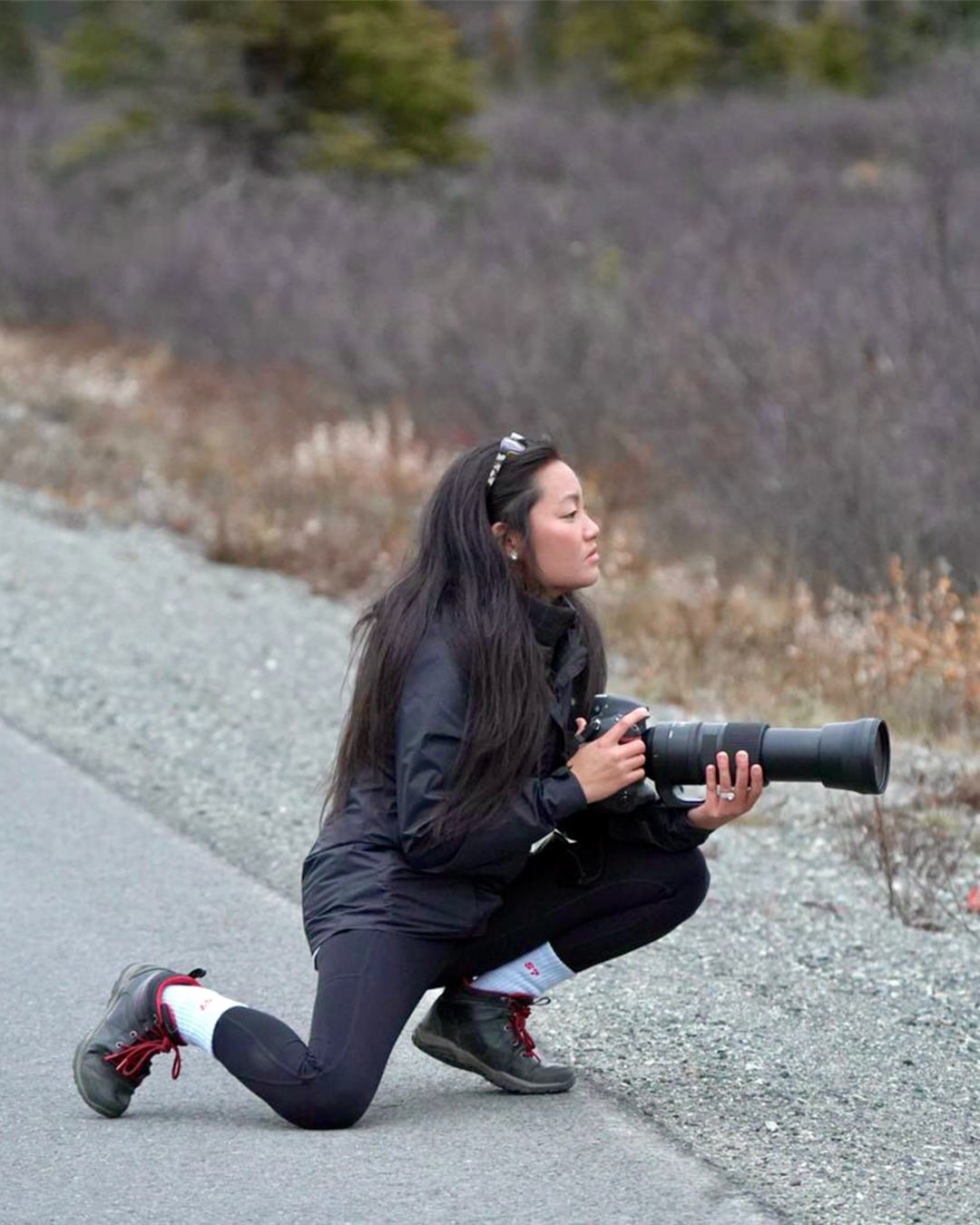
Here’s an example:
The second day I was in Denali, there was a brown bear sitting by the side of the road. We ended up taking photographs and meeting others who had stopped along the way. This was a couple hour detour that was not planned - and I am thankful for that experience.
Letting wildlife, the environment and the experience unfold around you is the most beautiful adventure.
Three nights in Denali: the version I like better
If Denali is one of the places you are most excited about, I would seriously consider three nights.
Three nights changes the feel of the visit.
It gives you more than just a park stop. It gives you a Denali chapter.
You get:
one fuller day anchored around the park experience
another day with room to breathe, adjust, or simply absorb the landscape
less pressure to make every hour “count”
a more spacious trip overall
And Denali benefits from that spaciousness more than many destinations do.
A lot of Alaska is beautiful. Denali is one of the places where beauty and mood are tied together. The longer you stay, the more likely you are to feel the place rather than just process it.
For photographers, slower travelers, and people who know they care about emotional texture, three nights is often the right answer.
When one night can work
There are situations where one night can still make sense.
For example:
Denali fits naturally into your route
you know your time is limited
your expectations are realistic
you are comfortable treating it as an introduction, not a full experience
I would not say one night is ideal. But I also would not say it is pointless.
It just needs to be framed correctly.
If you do one night, think of it as:
“I want to touch Denali, and one day, I will come back!”
That is a fair decision. It is just not the same as giving Denali the space it deserves.
When you may want even longer
Longer stays make sense if:
Denali is a priority, not just a stopover
you want more flexibility around weather and visibility
you enjoy hiking or photography
you prefer fewer destinations with more depth
you know that rushing a place tends to flatten your experience of it
This is especially true if your Alaska trip is not about collecting stops, but about building a trip with emotional range.
Denali gives you a different register than many other parts of the state. Staying longer gives that register time to develop.
What I’d actually recommend
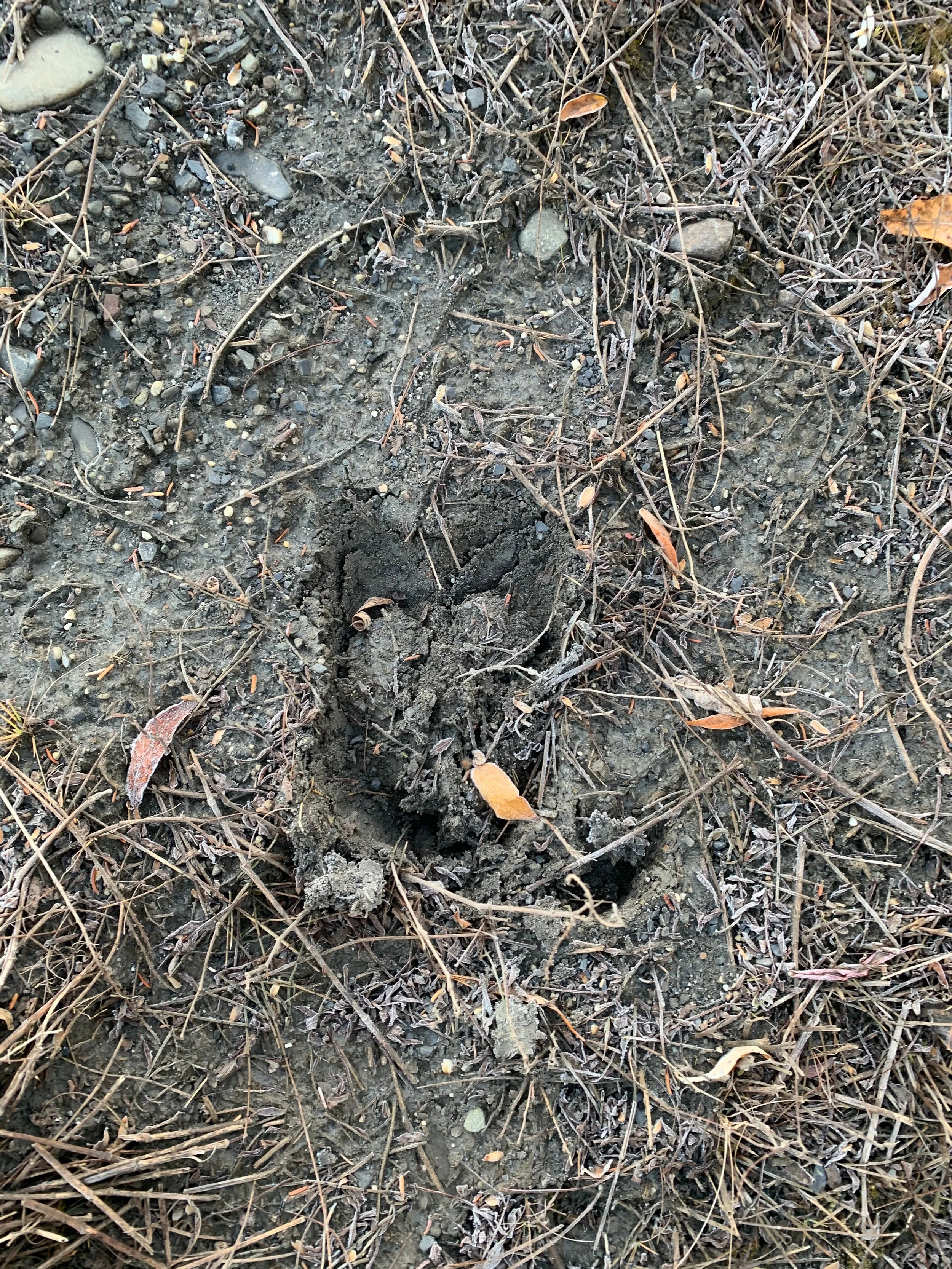
Moose print in Denali National Park
If I were advising a first-time traveler in a practical but slightly opinionated way, I would say:
Choose 2 nights if:
your trip includes several regions
you want a meaningful stop without overcommitting
you need to balance Denali with other priorities
Choose 3 nights if:
Denali is one of the emotional anchors of the trip
you want the trip to feel less rushed
you care about photography, atmosphere, or depth
you want to increase the chance that Denali really lands
That is the split I would use.
Final take
For most people, two nights is the minimum and three is the better choice.
That is not because Denali needs a long, complicated itinerary. It is because Denali is not a place that performs well under pressure. The less you try to force it into a tight window, the more likely it is to feel worth the effort.
Some places can handle being rushed.
Denali usually cannot.
And that is part of what makes it Denali.
Is Denali Worth It in 2026? An Honest Take for First-Time Alaska Travelers
Is Denali worth it in 2026? Yes, for many travelers, but not for everyone. Here’s what Denali actually offers right now, what it does not, and how to decide if it belongs on your Alaska trip.
When people ask whether Denali is worth it, what they usually mean is something slightly different.
They are not just asking whether Denali is beautiful.
They are asking whether it is worth the time.
Worth the detour.
Worth the investment.
Worth building part of an Alaska trip around a place that can be moody, weather-dependent, and harder to “do” than they expected.
(Let’s face it - Denali isn’t the easiest or fastest to get to!)
And in 2026, that question matters even more because Denali is still not the version of Denali many older blog posts describe.
So here is the honest answer: yes, Denali is worth it in 2026, but only if you want Denali for what it truly is, not for what people assume it will be.
That distinction matters.
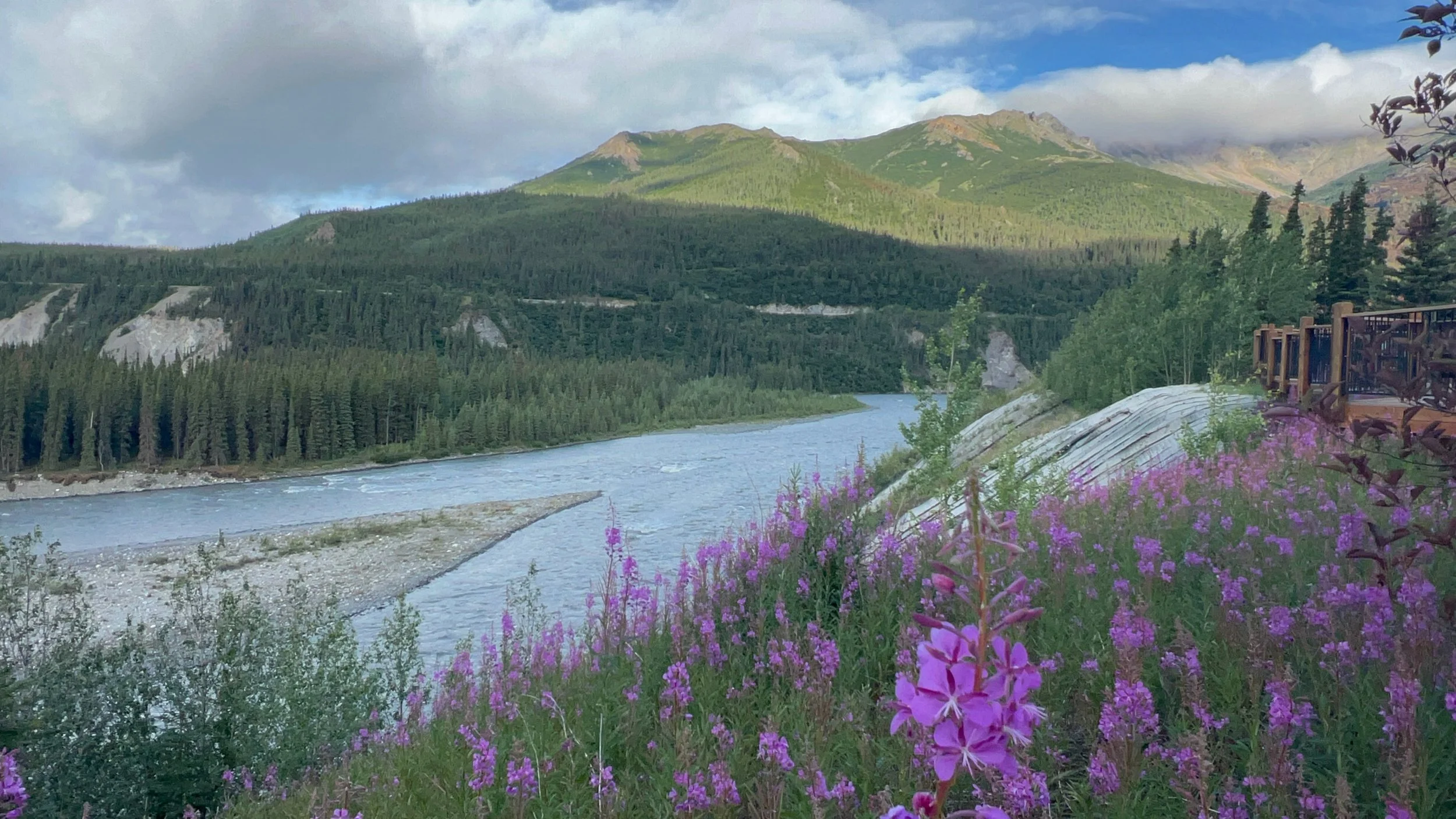
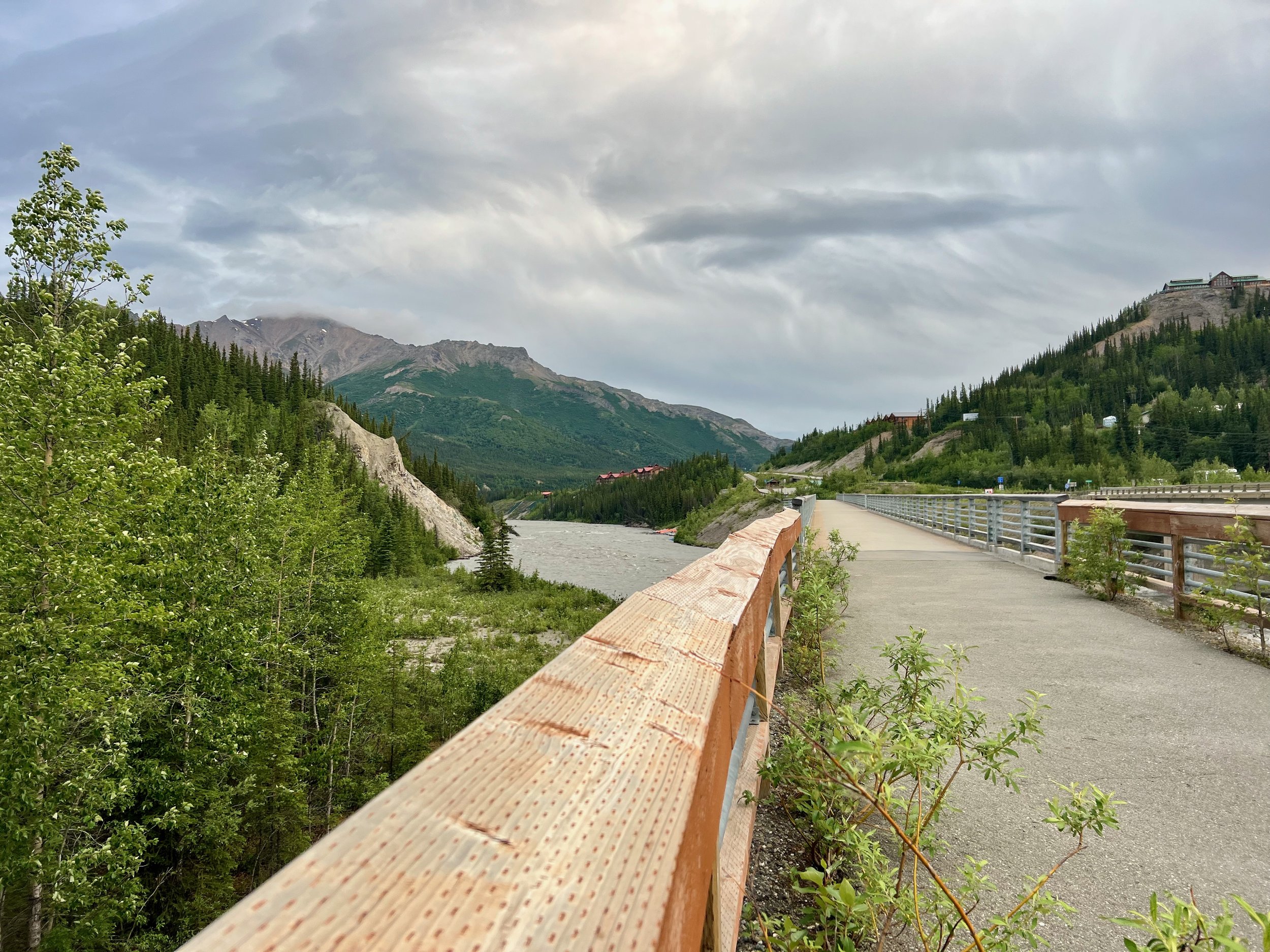
View of Denali National Park from across the Nenana River
Denali is worth it for the feeling, not just the checklist
If you are looking for the most efficient stop in Alaska, Denali is probably not it.
If you are looking for a place that delivers instant certainty, Denali is definitely not it.
And if what you want is a destination where you can drive yourself straight into dramatic scenery, stack up attractions quickly, and leave feeling like you “covered it,” Denali may not be your best fit.
Denali is worth it for different reasons.
It is worth it because it feels immense. Because it asks something of you. Because it has not been overly smoothed out for consumption. Because there is still something unpredictable about it.
There are places in Alaska that are easier to love in a quick and obvious way. Denali is not always one of them. Denali is slower. More spacious. More severe. It asks you to care about weather, distance, scale, patience, wildlife, and quiet. It rewards people who are willing to let a place unfold rather than extract a perfect day from it.
That is exactly why some travelers leave Denali underwhelmed and others leave feeling like it was the emotional center of their trip.
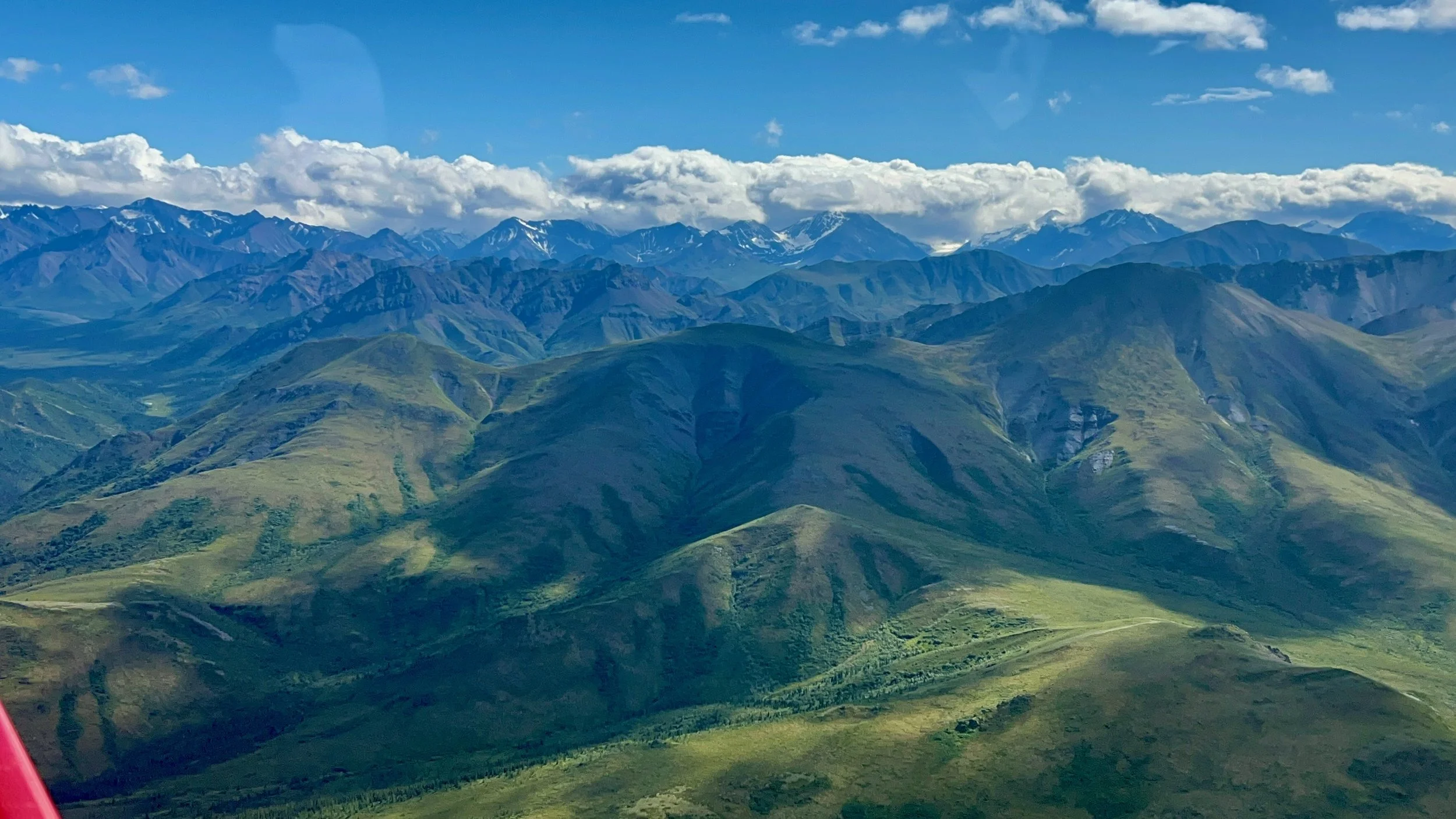
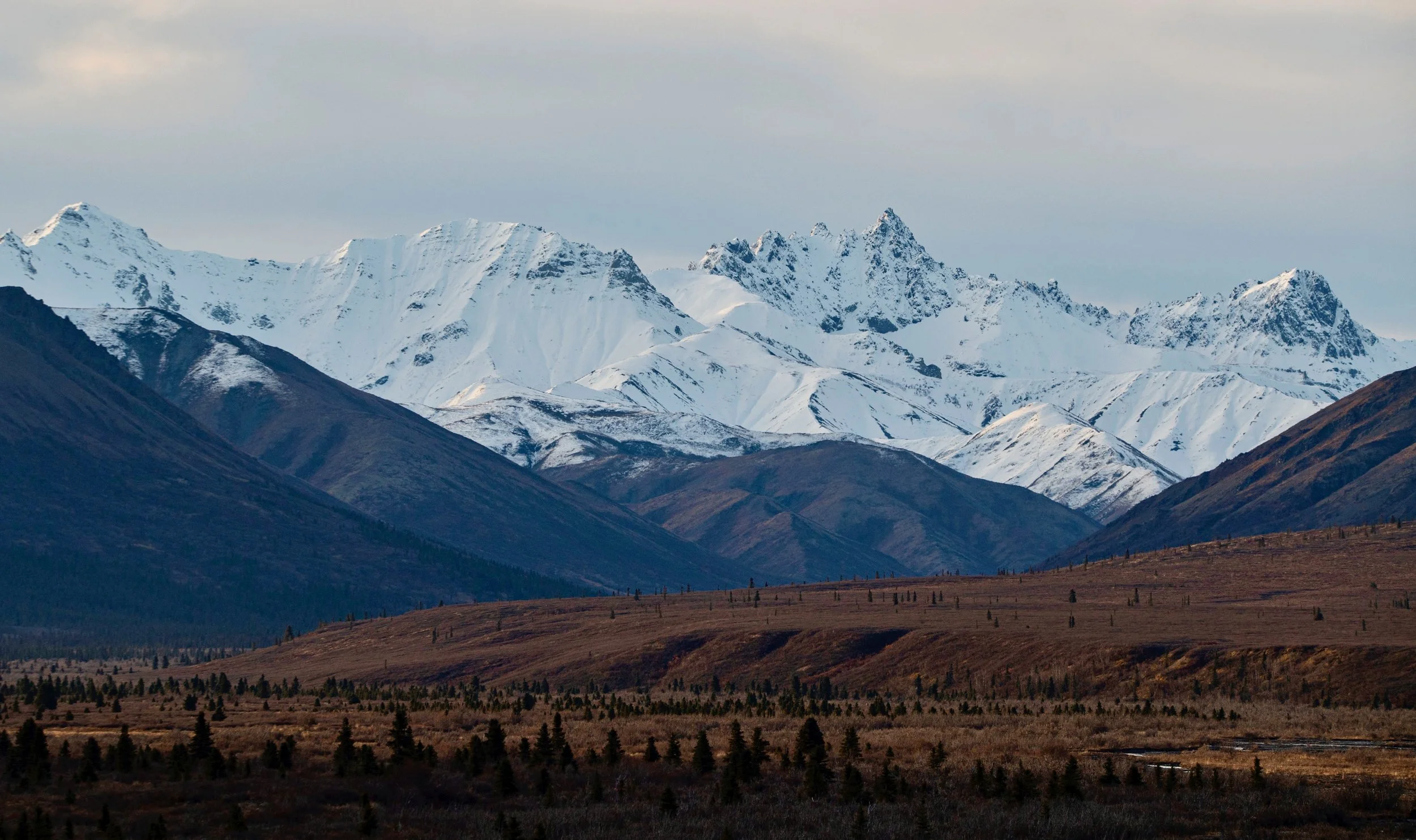
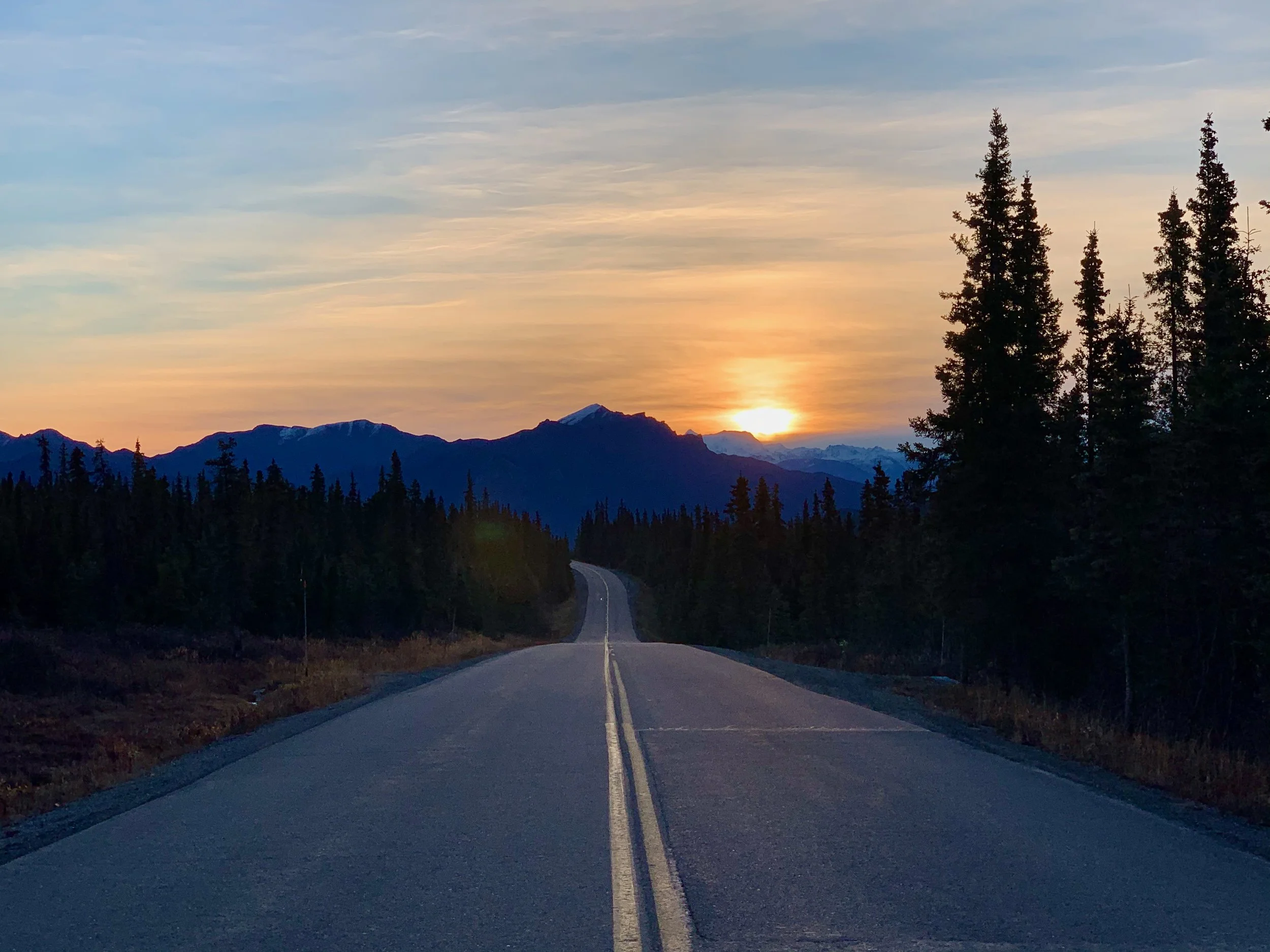
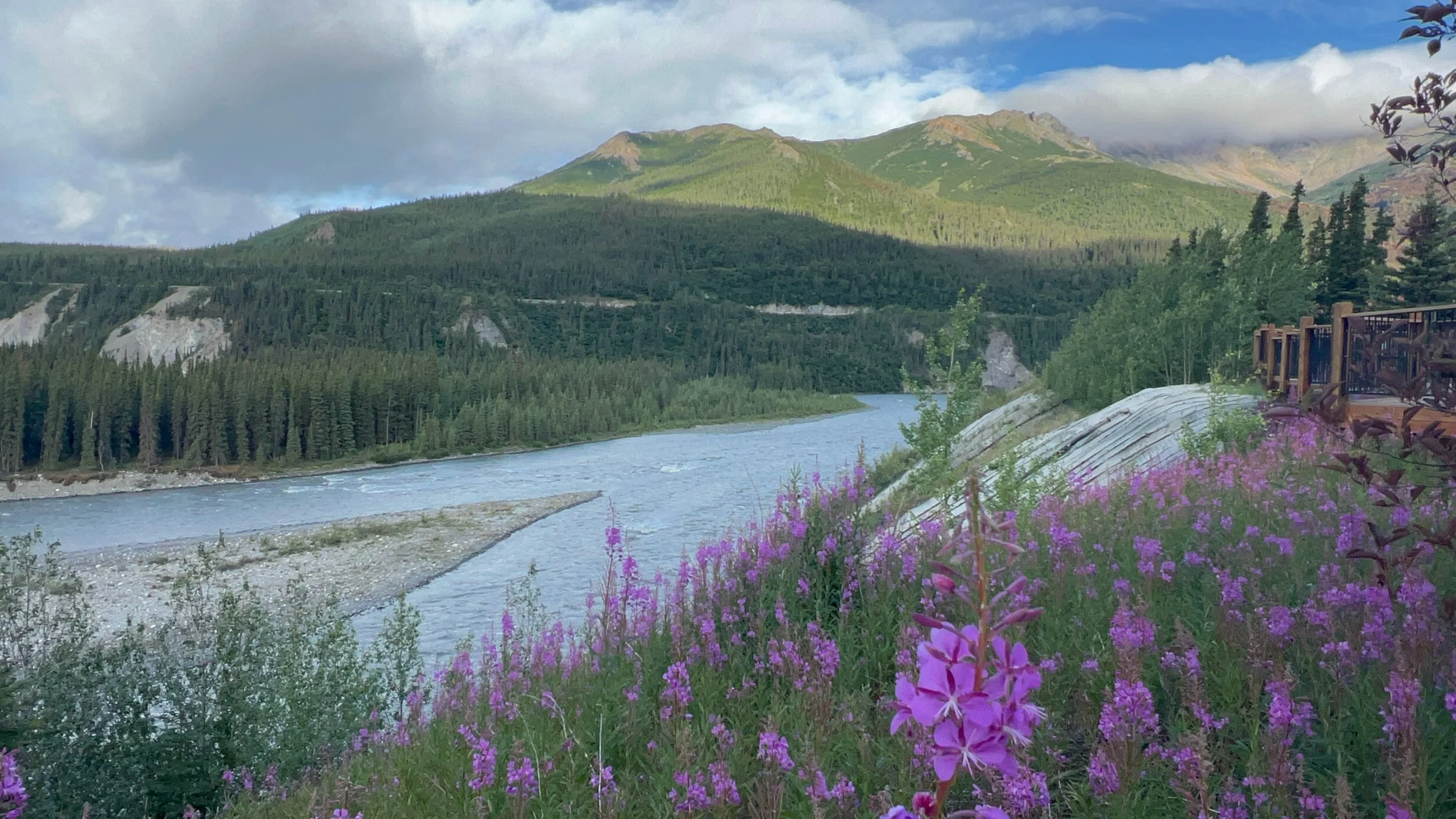
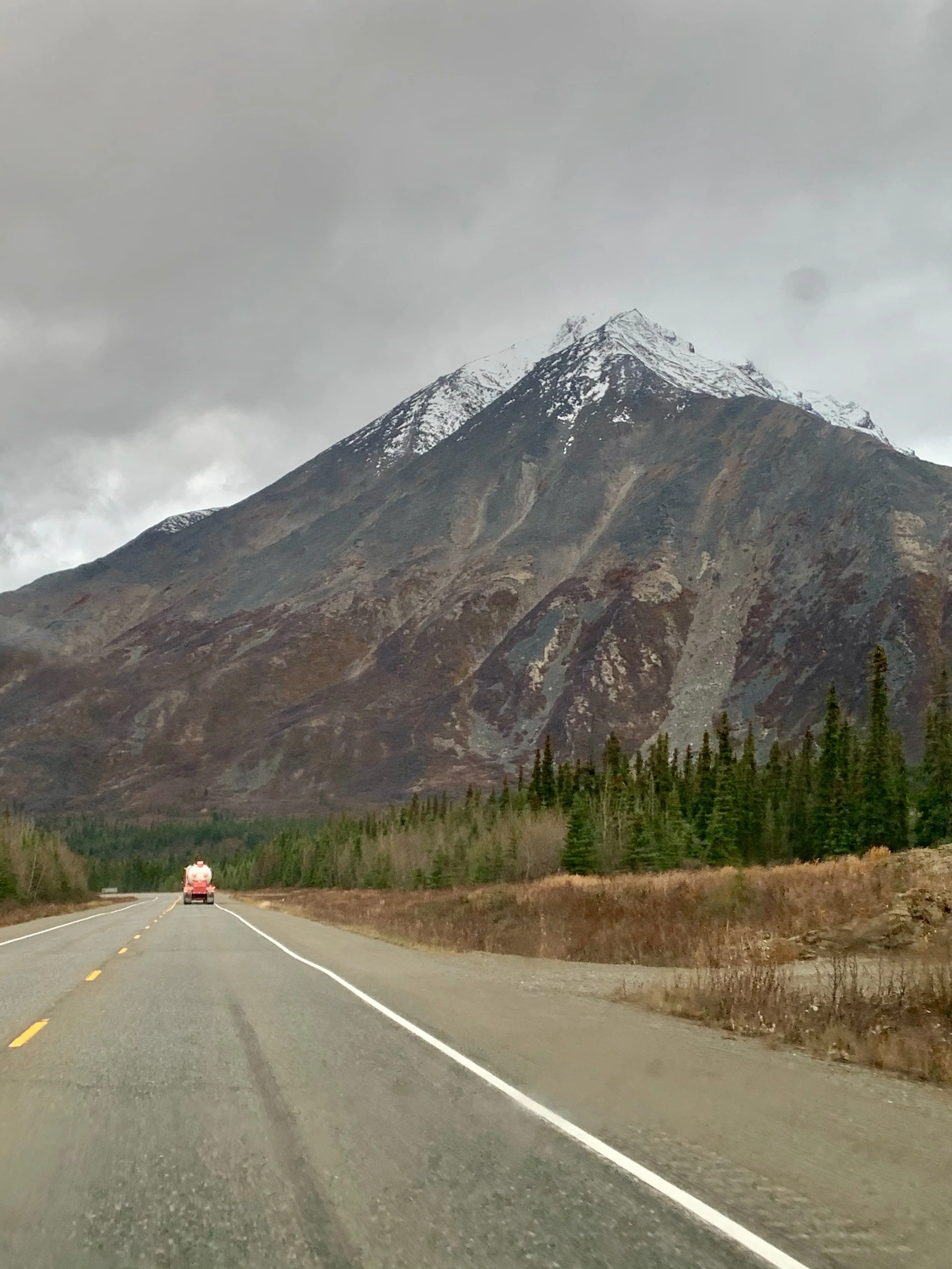
One thing that surprised me the first time I went, was how incredible the scenery and mountains were before I even arrived at Denali National Park. The views were breathtaking and it built the anticipation for the views I would see in the park (see image below - from drive to the park).
What travelers need to understand about Denali in 2026
One reason people get mixed up about Denali is that they are often planning from outdated expectations.
A lot of older content still reflects a fuller Park Road experience than what visitors are working with now. In 2026, Denali is still shaped by the Park Road closure tied to the Pretty Rocks landslide. That changes the experience. It does not erase it, but it does change it.
So if you are picturing Denali as a place where you can effortlessly move deep into the park on your own timeline, that is not really the current reality.
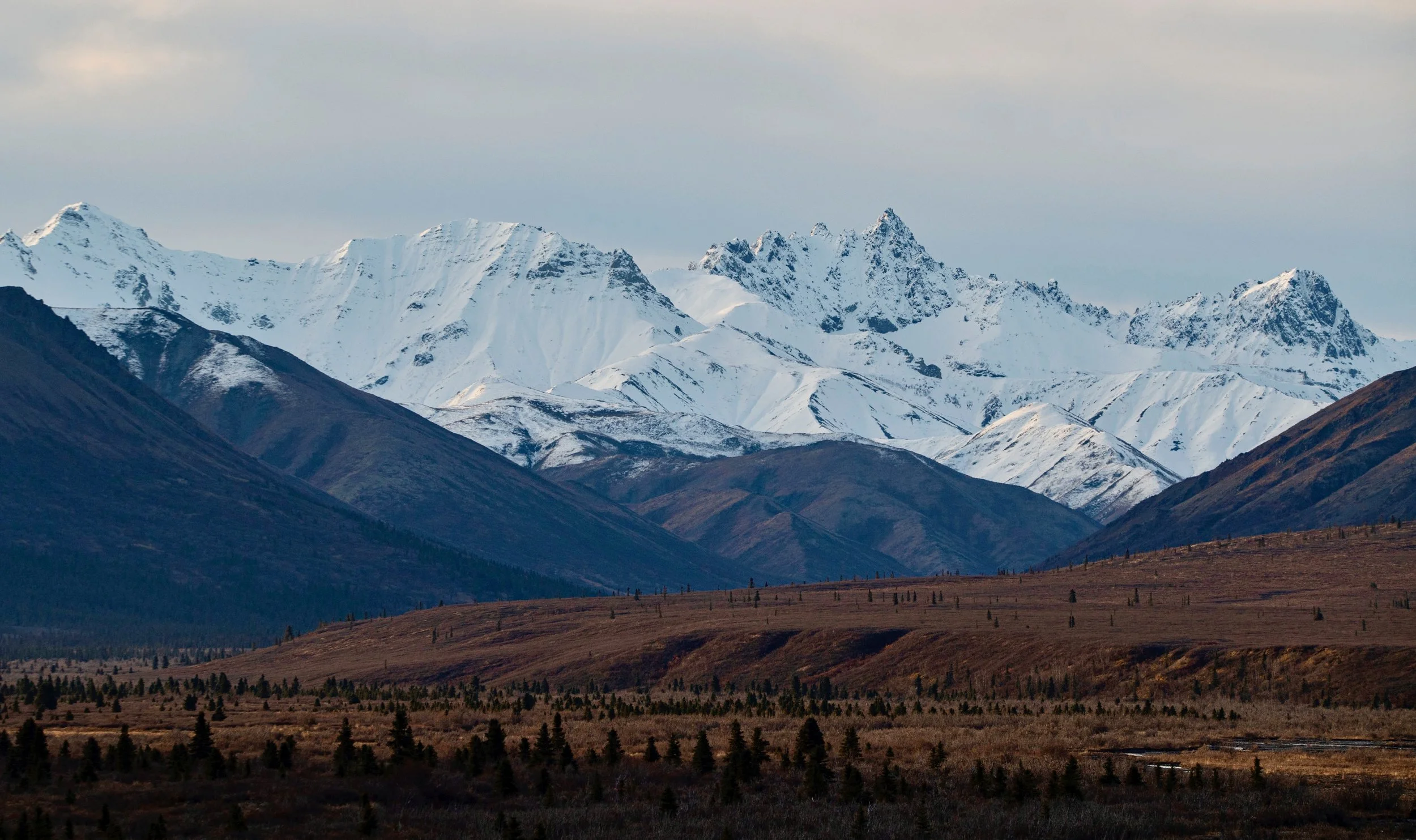
It was always about something more atmospheric than that. The wildlife. The vastness. The tension between visibility and invisibility. The humility of it. The fact that the mountain may not appear, and that even if it does, it does so on its own terms.
That is still there.
What Denali does better than other Alaska destinations
This is where I think a lot of generic travel content misses the point.
Denali is not trying to compete with other Alaska stops on convenience. It wins on something else entirely.
Denali gives you:
a stronger sense of wilderness than many easy-access Alaska destinations
a quieter, less commercial emotional register (some people love this, some people miss commercialization found in other parts of Alaska)
a bigger feeling of exposure to weather, scale, and rawness
the possibility of seeing Alaska as something more than a collection of excursions
If Juneau gives you a layered, active Southeast Alaska experience, and if places like Seward can offer easier visual payoff, Denali gives you a different kind of reward: a feeling that you have stepped into a larger, less controlled Alaska.
Which in my mind, is kind of the point.
When Denali is absolutely worth it
I would strongly consider Denali worth it if:
you want at least one stop on your Alaska trip to feel genuinely wild
you care about wildlife and open landscape more than town energy
you are okay with uncertainty
you do not need a place to entertain you every second
you want a version of Alaska that feels emotionally bigger than a port stop or quick roadside destination
It is especially worth it if you are the kind of traveler who remembers atmosphere more than efficiency.
Some places give you a list of things you did.
Denali gives you a feeling you carry.
When Denali may not be worth it
I do not think Denali is automatically right for every first-time Alaska traveler, and I think it is better to say that plainly.
Denali may not be worth prioritizing if:
you have a very short trip and need every stop to feel easy and immediate
you know weather uncertainty will frustrate you
you prefer highly structured sightseeing over spaciousness
you are trying to maximize variety in a limited number of days
you are expecting a fully open historic Denali road experience in 2026
This is not me talking against Denali. It is me trying to protect the traveler from planning the wrong trip for the wrong reasons.
Because if what you want is quick payoff, there are other Alaska stops that may serve you better.
The real question is not “is it worth it?”
The real question is: what kind of Alaska trip are you trying to have?
If your Alaska trip is about variety, texture, and seeing multiple sides of the state, Denali can play an important role. It gives your trip scale. It gives it pause. It gives it one chapter that feels less curated and more elemental.
If your trip is about ease, density, and rapid-fire highlights, Denali may feel like a mismatch.
That is why this article matters.
Not because there is one universal answer, but because Denali tends to divide travelers based on what they value.
My honest take
Yes, Denali is still worth it in 2026.
But it is worth it for travelers who understand that Denali is meant to be enjoyed. It is not there to make itself legible on demand. It is not optimized for your convenience. It does not promise you a perfect mountain reveal, a packed schedule, or a frictionless visit.
What it offers instead is much rarer:
space, mood, wildlife, scale, and the feeling of standing in a place that remains bigger than tourism.
That is why I would still include it.
Not because it is the easiest stop in Alaska.
Because it is one of the most meaningful.
I’m so glad you’re here.
This is a cornerstone of Alaska-inspired stories, photography, and small rituals - for people who want to travel, and live, with more intention.
Written from Juneau, Alaska by a photographer who lives here.