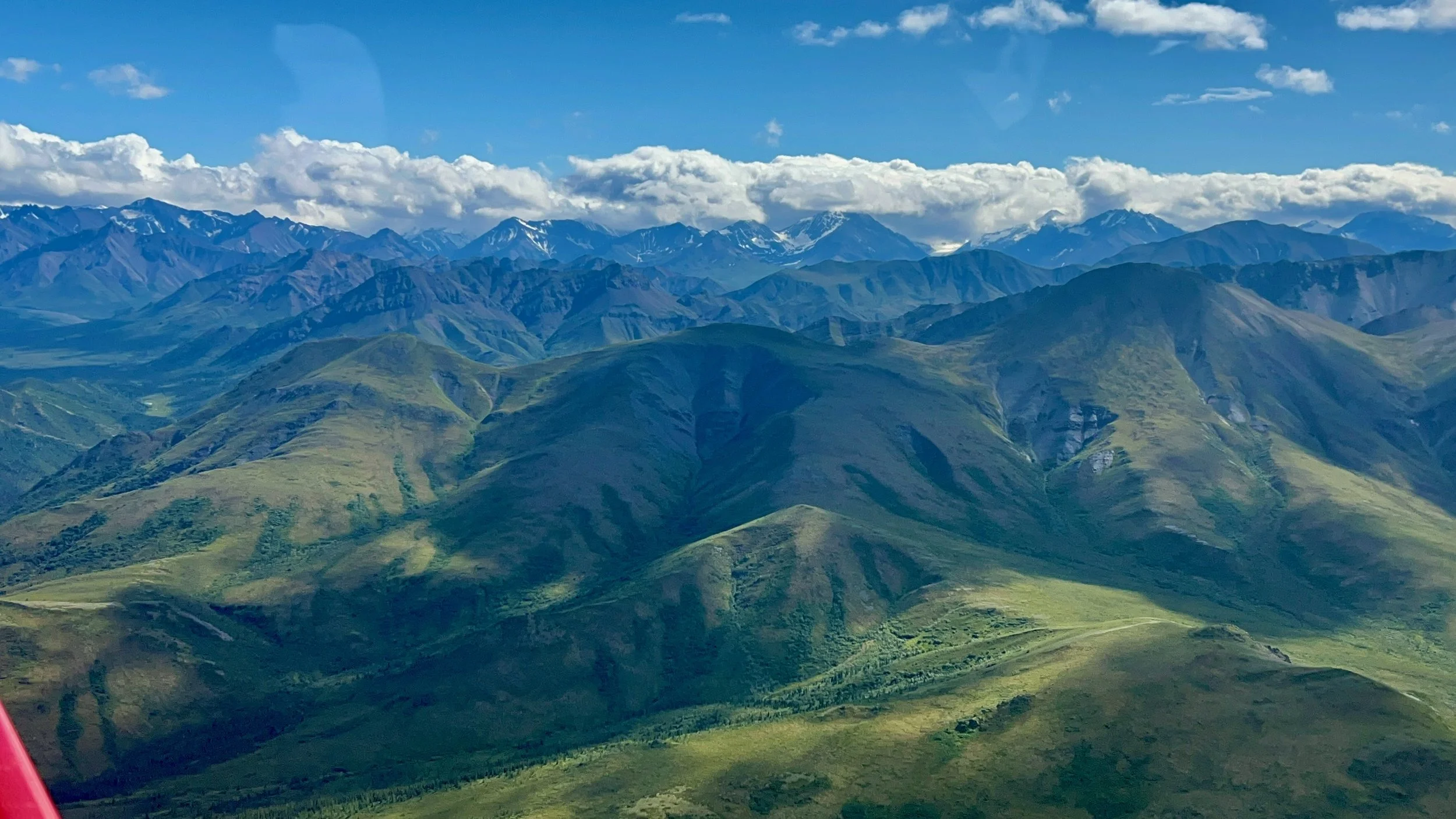
Stories and guides for a more thoughtful Alaska trip.
Crafted by Mary Jacquel, from lived experience, original photography, and practical insight.

Intentional Living in Alaska’s Autumn: A Slow-Living Guide from Juneau
A practical, heart-calming guide to intentional living in Alaska’s autumn—rituals, micro-adventures, home comforts, tea moments, and mindful prompts.
Autumn in Southeast Alaska arrives quietly - gold on the understory, mist curling through Sitka spruce, first frosting of snow on the mountain tops (we call the first snow on the mountaintops ‘termination dust’ as we know the colder months are coming and the first snow usually melts!). The pace shifts. The light softens. And if we let it, the season invites a steadier way of living. Here’s my simple, Alaska-tested guide to moving through fall with intention—at home, outdoors, and within.

What Autumn Feels Like in Southeast Alaska
Textures: wet cedar, soft moss, rain on boardwalks, leaves like copper coins on the deck.
Soundtrack: ravens, distant eagles, tide slosh, the hush of fog.
Light: shorter days, sudden blue-sky breaks, long gold hours near sunset.
The point isn’t to fight the season; it’s to sync with it—pace, presence, and place.

Three Anchors for Intentional Living
Pace: Do less, deeper. One meaningful walk beats three rushed errands.
Presence: Choose a daily “sit spot” (porch, trail bench, lakeside) and return to it.
Place: Let your routines reflect the land—evergreen, water, stone, and sky.
A Simple, Intentional Autumn Day (Alaska Edition)
Morning (15–30 minutes)
Brew a hot mug (I reach for Aurora Chai or Mint Glacier Medley).
Open a window for crisp air; name 3 things you can hear.
Journal one page (see prompts below).
Midday (20–40 minutes)
Short forest walk or boardwalk loop—phone on airplane mode.
Pick a texture study: needles, cones, raindrops on leaves. Photograph or sketch it.
Evening (30–60 minutes)
Light a candle; keep lamps low.
Quick “reset” (ten-minute tidy) + lay out tomorrow’s rain layers.
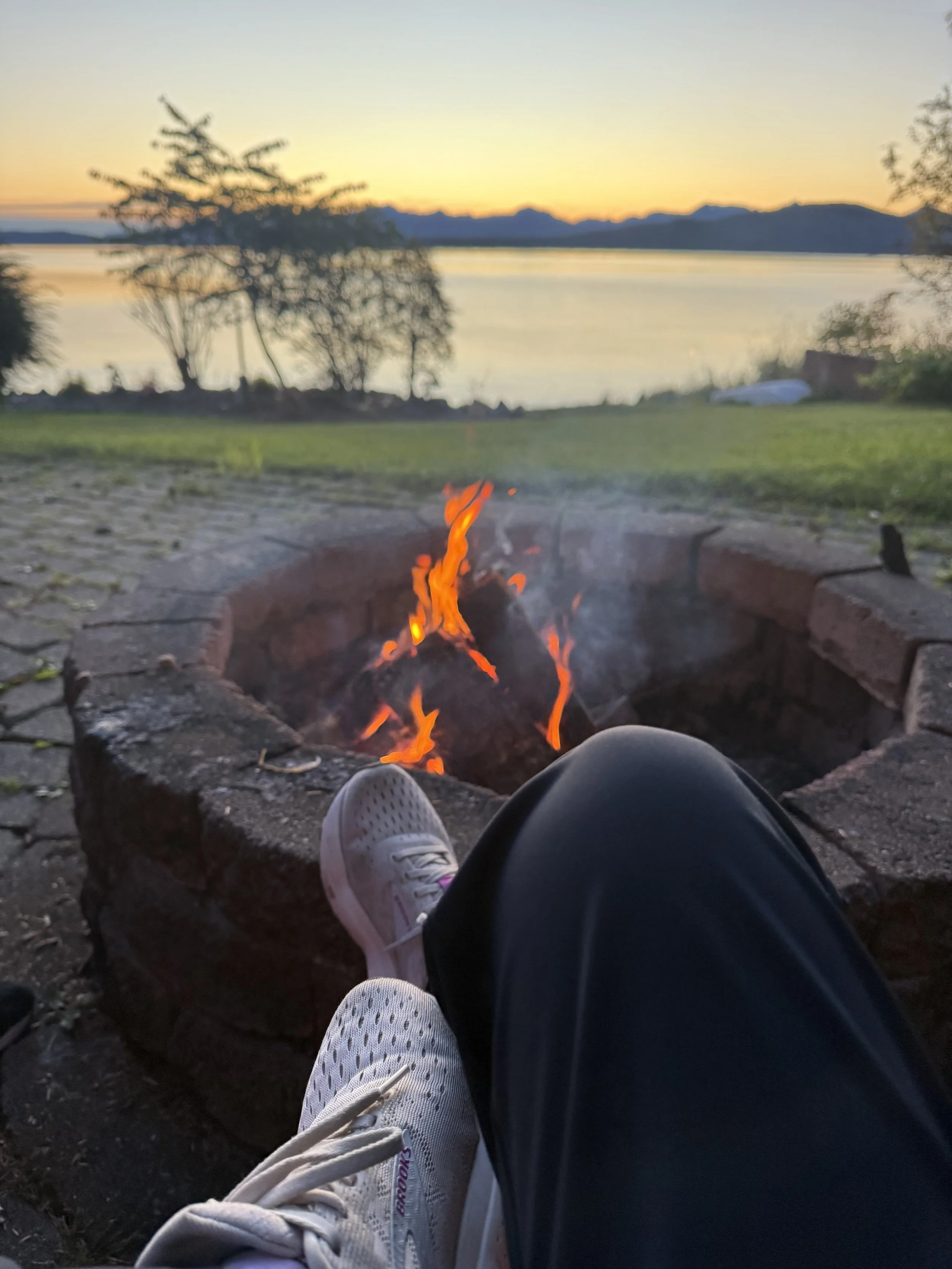
Firepit or stovetop tea—end the day with a warm drink and one line of gratitude.
Tip: Anchor these windows to what already happens (first mug, lunch break, sunset) so they stick even on long workdays.

Micro-Adventures Close to Home
You don’t need a full day—just edges of time.
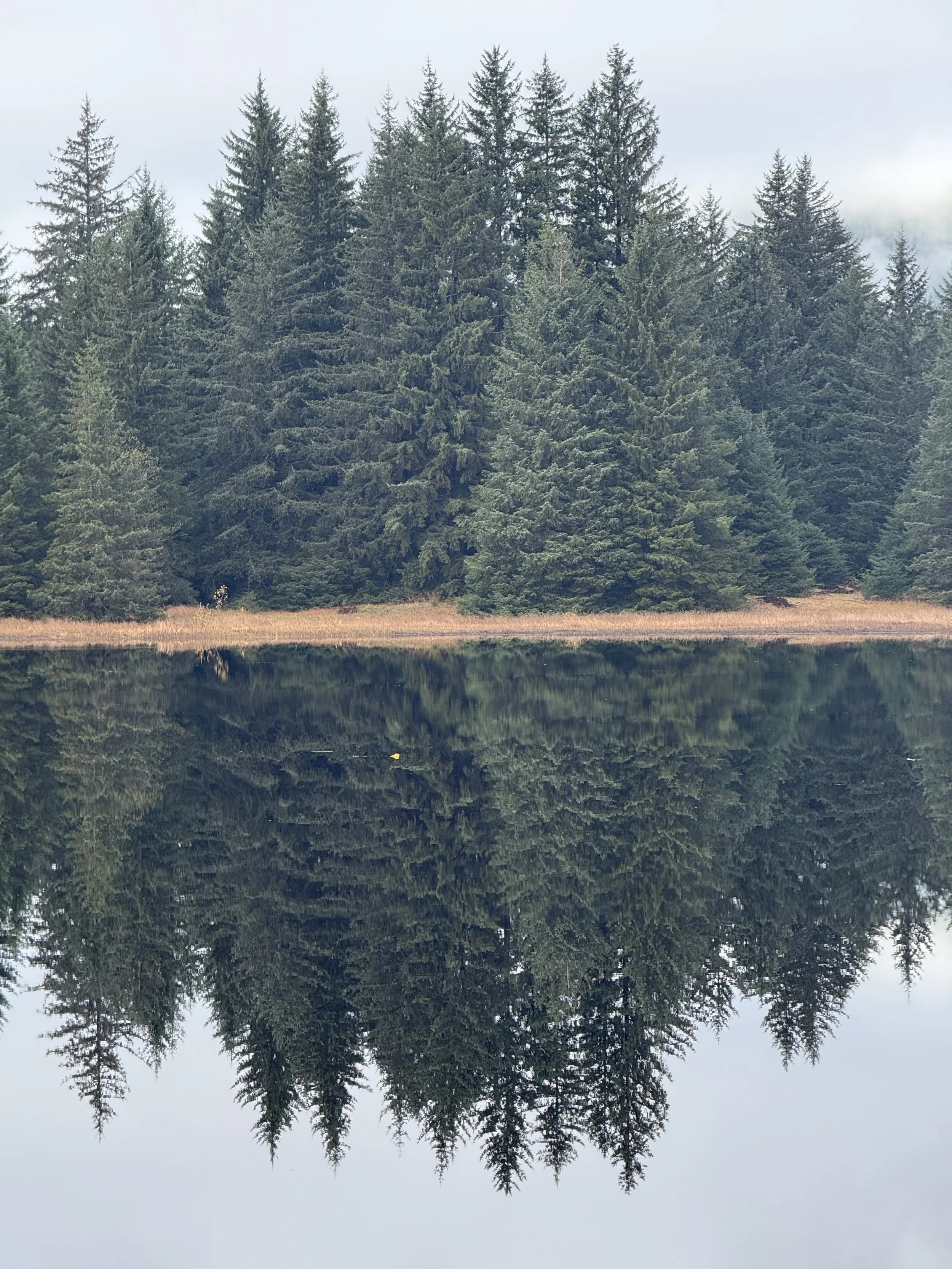
Reflection hunt: After rain, look for mirror-still water to photograph inverted trees.
Sound walk: Count five distinct sounds from forest to shoreline.
Leaf palette: Collect 5 leaves from yellow → rust; press them in a book.
Trail treasure: Notice small forms—cones, feathers, lichen rosettes.
Mist mile: Walk until you can see a ridge fade, then return.
A “Cozy-but-Ready” Home Setup
Door kit: waterproof jacket, hat, gloves, headlamp, and a tote for quick exits.
Drying zone: boot tray + hooks, so rainy walks don’t create friction.
Light corner: a soft lamp or salt lamp near your reading chair.
Tea station: kettle, favorite blends, and a dedicated autumn mug.
Ten-minute reset: surfaces clear, socks by the couch, blanket within reach.

Tea & Scent Rituals (grounding for the senses)
Warmth: Aurora Chai or Midnight Sun Vanilla Chai after dinner.
Clarity: Mint Glacier Medley Sencha for an afternoon pick-me-up.
Comfort: Alaska Serenity Herbal for slow evenings and journaling.
Scent: light a spruce- or cedar-leaning candle (I make my own)—one at a time to keep it intentional.
If you enjoy my photography and Alaska-inspired blends, you can explore Shop Photography and Alaska Tea Co on my site.


Photography Prompts for Fall (phone-friendly)
Mirror image: Lakeside evergreens reflected on calm water.
Macro leaf: Dew on copper leaves—fill the frame.
Leading lines: Road or boardwalk pulling the eye into mist.
Hands + nature: A cone or twig in hand for scale and story.
At-home quiet: Steam rising from a morning mug near the window.
Boots on boardwalk: Add a feather or leaf for texture and scale.
Cabin + mountains: Center a small human or cabin against big landscape.
Journal Prompts for Intentional Living
What’s one thing I can do more slowly today—and why will it matter?
Where did I notice beauty in motion (fog, waves, falling leaves)?
What boundary would protect my energy this week?
Which ritual felt nourishing (tea, walk, fire, reading)—and when can I repeat it?
If autumn had advice for me, what would it say?
What to Wear & Carry (Southeast Alaska basics)
Waterproof jacket & pants, wool layers, warm hat, gloves.
Waterproof hikers with good tread (boardwalks get slick).
Headlamp for short days; pocket thermos for tea.
Small dry bag for phone/camera in the rain.
If You’re Visiting or New Here
Browse Secret Places to Visit in Juneau for low-key, close-to-town wanders.
Planning logistics? See my How to Travel Around Juneau post for transport tips.
Want a piece of autumn to take home? My prints features mist, mountains, and forest—classic Southeast fall.
FAQ (Autumn in Alaska, Intentional-Living Edition)
When is “peak fall” in Southeast Alaska?
September into early October is the colorful window; evergreens hold year-round while understory turns gold and rust. Peaks often show early snow by mid-to-late autumn.
How do you stay consistent with intentional routines on long workdays?
Time-box tiny anchors: a 10-minute morning tea + one page of journaling, a 20-minute walk at lunch, and a 10-minute evening reset. Protect them like meetings.
Is it worth getting outside in the rain?
Yes—if you dress for it. Rain changes sound, color, and light; reflections pop, trails empty, and the forest smells incredible.
What are the best at-home slow-living rituals for darker days?
Warm beverages, soft pools of light, one chapter of reading, and a nightly gratitude line. Keep screens out of the last 30 minutes.
Gentle Call-to-Action
If this guide helped you slow down, you might enjoy my Alaska Tea Co blends for cozy evenings and my photography prints for a daily view of wild Alaska on your walls.


Is There Uber in Juneau (2026 Update)? Every Way to Get Around Without a Car
Planning Juneau without a rental car? Here’s the 2026 update on rideshare reality in Juneau plus reliable alternatives: taxis, shuttles, buses, walking routes, and day plans from the cruise dock.
Short answer: rideshare coverage in Juneau can still be limited and inconsistent, especially during peak times or late evenings. The key is to have a backup. Below I’ll show you the options that actually work—plus walkable photo stops from the dock.
Table of Contents
Quick Answer & Best Backup
Rideshare Reality in Juneau (What to Expect)
Taxis & Shuttles (Most Reliable Same-Day Option)
Capital Transit (Buses): When It’s Worth It
Walk-From-the-Dock Plans (Maps + Photo Stops)
Rainy-Day Swaps You’ll Actually Enjoy
FAQ (2026)
1) Quick Answer & Best Backup
Rideshare: Treat Uber/Lyft as a bonus if it appears, not your only plan. Check the app; if ETA >15–20 minutes, switch.
Best backup: Local taxis and pre-booked shuttles are the most reliable day-of.
If ships are in port: Expect a short queue near the dock; go early if you have a timed tour.
Additional Resources:
See my full guide: How To Travel Around Juneau →
hereWalkable photo stops from the dock → here
2) Rideshare Reality in Juneau (What to Expect)
Coverage fluctuates. Peak midday when ships are in; thinner mornings/evenings.
Airport runs are more likely to get a car than residential pickups.
Price surges can appear when multiple ships are docked; compare with taxi flat rates.
Pro tip: If the app shows long ETAs or a driver cancels, pivot immediately to taxi/shuttle so you don’t lose your window.

3) Taxis & Shuttles (Most Reliable Same-Day Option)
Where to find them: Near the cruise docks and main visitor areas; queues form quickly when ships arrive.
Pay & timing: Many take cards; ask for estimated fare/time before you hop in.
Pre-book shuttles for Mendenhall Glacier, Auke Bay, or brewery/coffee loops when possible.
Good pairings:
Mendenhall Glacier + Eagle spotting guide →
hereRain plan ideas →
here (it rains a lot here so this article is helpful!)
4) Capital Transit (Buses): When It’s Worth It
Best for budget travelers who have flexible time.
Expect longer door-to-door times vs. taxi/shuttle; build cushion.
Bring a contactless card or cash and confirm your return timing early.
5) Walk-From-the-Dock Plans (Maps + Photo Stops)
If rideshare is thin, walk this loop (1.5–2.5 hours). It’s packed with texture and photos.
Map overview: Start at the cruise dock → downtown storefront textures → 3 Hidden Gems Downtown spots → waterfront boardwalk details → return via coffee & local art.
Helpful links:

6) Rainy-Day Swaps You’ll Actually Enjoy
Museums + short walks (textures, portraits, and reflections).
Coffee + gallery crawl near the waterfront.
Steamy window portraits—wipe, breathe, shoot for a cinematic look.
Tie-ins:
7) FAQ (2026)
Is there Uber in Juneau year-round?
Yes. Consider having a taxi / shuttle phone number handy as well.
Is Lyft any better?
Yes - Check both apps; choose the fastest/cheapest—then have a backup.
How early should I line up for taxis when ships are in?
If you have a timed tour, aim to be curbside 15–30 minutes before you need to depart.
What’s the cheapest way to get to Mendenhall?
Typically a shared shuttle or Capital Transit if timing works. Taxis are faster but can be more costly.
As someone who lives in Juneau year-round, if you have any specific questions feel free to drop a comment and I’ll get back to you as soon as possible!

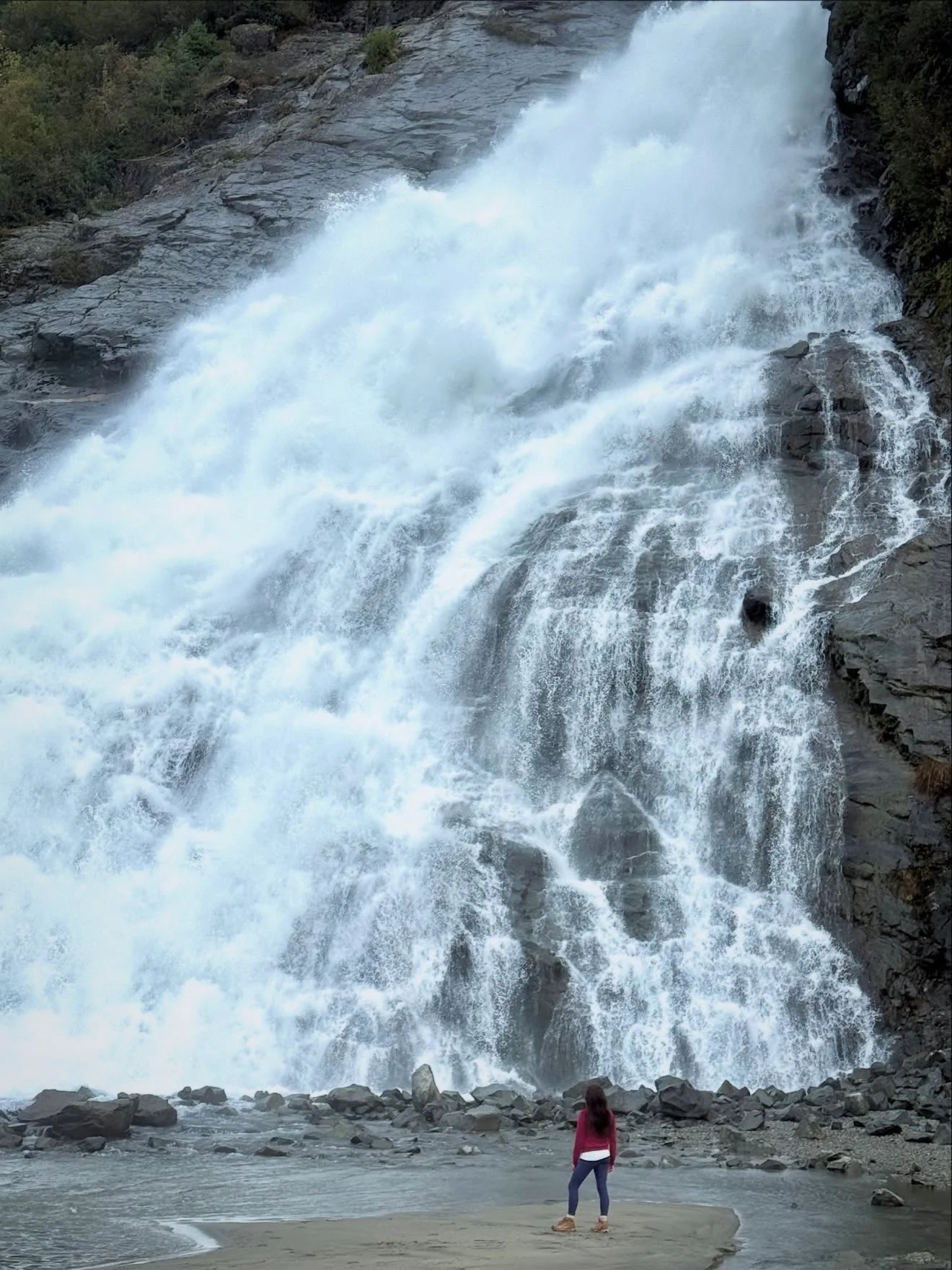
A Day in Juneau: Mendenhall Glacier, Nugget Falls, and the Wild Encounters That Stay With You
There’s something about Juneau that never loses its wonder. Even after years of living here, I can step outside and be reminded that Alaska doesn’t just ask you to look—it asks you to feel.
This past week, I wandered out toward Mendenhall Glacier and Nugget Falls, two of Juneau’s most iconic spots. They’ve been photographed thousands of times, yet each visit is a little different. The air feels new, the water crashes a bit louder, and the trails hold fresh surprises.
There’s something about Juneau that never loses its wonder. Even after years of living here, I can step outside and be reminded that Alaska doesn’t just ask you to look—it asks you to feel.
This past week, I wandered out toward Mendenhall Glacier and Nugget Falls, two of Juneau’s most iconic spots. They’ve been photographed thousands of times, yet each visit is a little different. The air feels new, the water crashes a bit louder, and the trails hold fresh surprises.
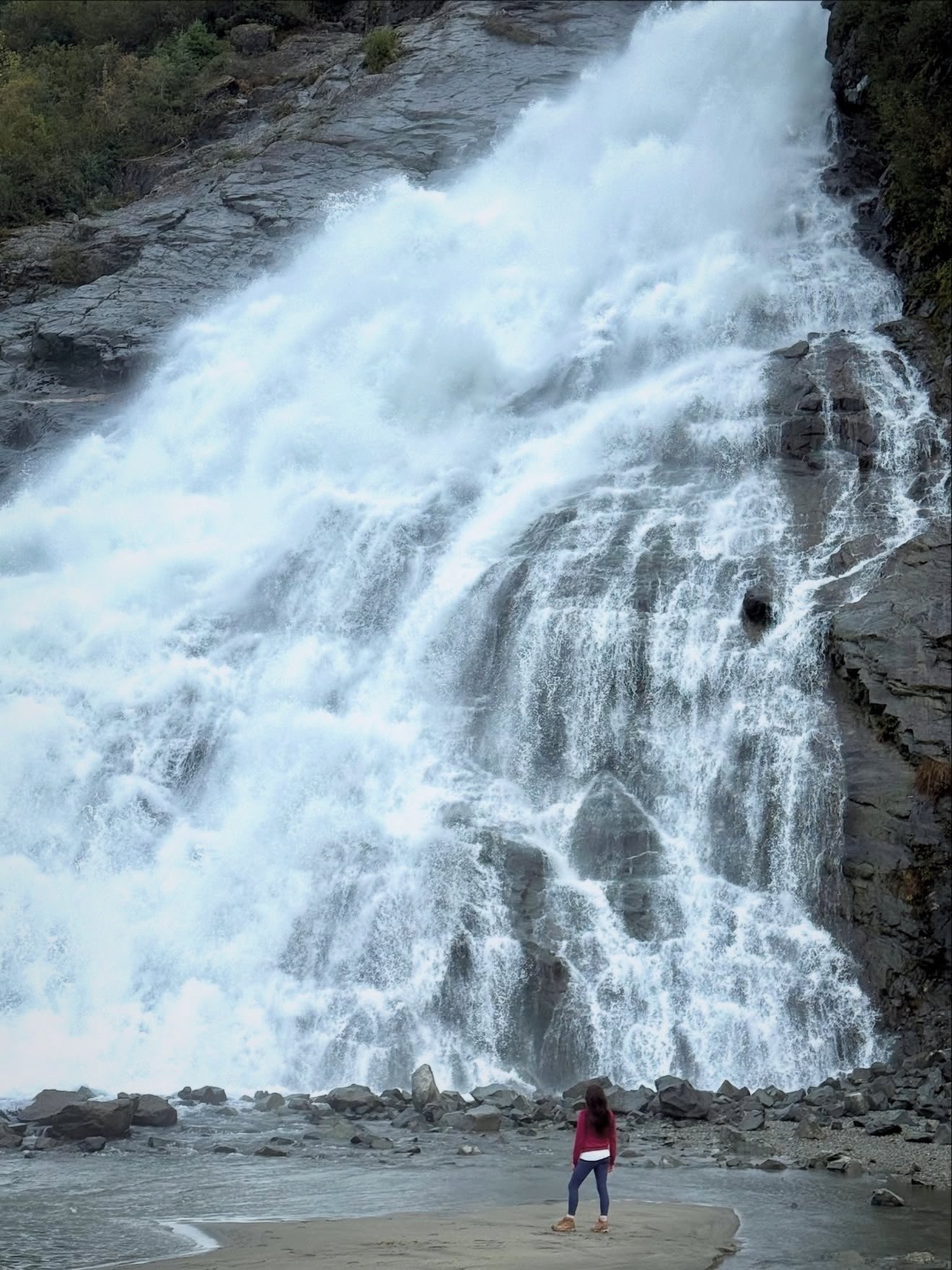
Standing Before Nugget Falls
There’s no preparing yourself for the power of Nugget Falls up close. Standing at the shoreline, with glacier-fed water cascading beside me, I felt small in the best possible way. The mist cooled the air, my boots pressed into damp sand, and I found myself simply breathing—reminded of how wild and alive this land is.
For travelers, Nugget Falls is one of the easiest yet most rewarding hikes in Juneau. Just a short trail from the Mendenhall Visitor Center leads you here. Whether you’re visiting on a cruise ship stop or spending a week in town, this is a place that deserves a spot on your Alaska itinerary.
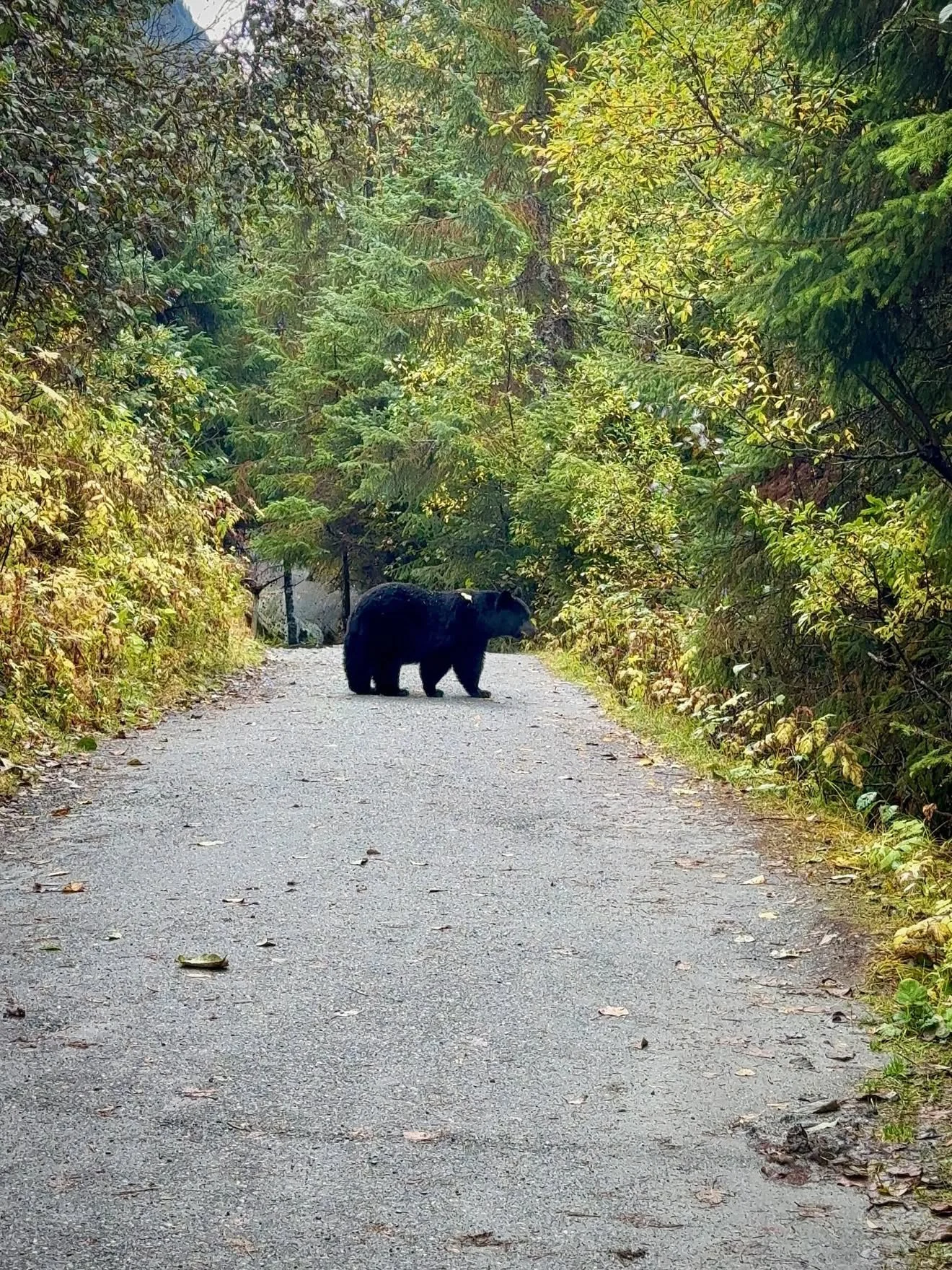
A Bear on the Trail
Not far from the falls, I had one of those heart-pounding encounters that reminds you Juneau isn’t just scenery—it’s home for Alaska’s wildlife too. A black bear strolled calmly across the path ahead, pausing before disappearing back into the trees.
Moments like this are common around Mendenhall Glacier during salmon season. It’s a reminder to always give wildlife space, carry awareness with you, and let these incredible creatures move freely in their own habitat. Seeing a bear in the wild is a privilege—one that etches itself into memory.
Glaciers, Forest Trails, and Stillness
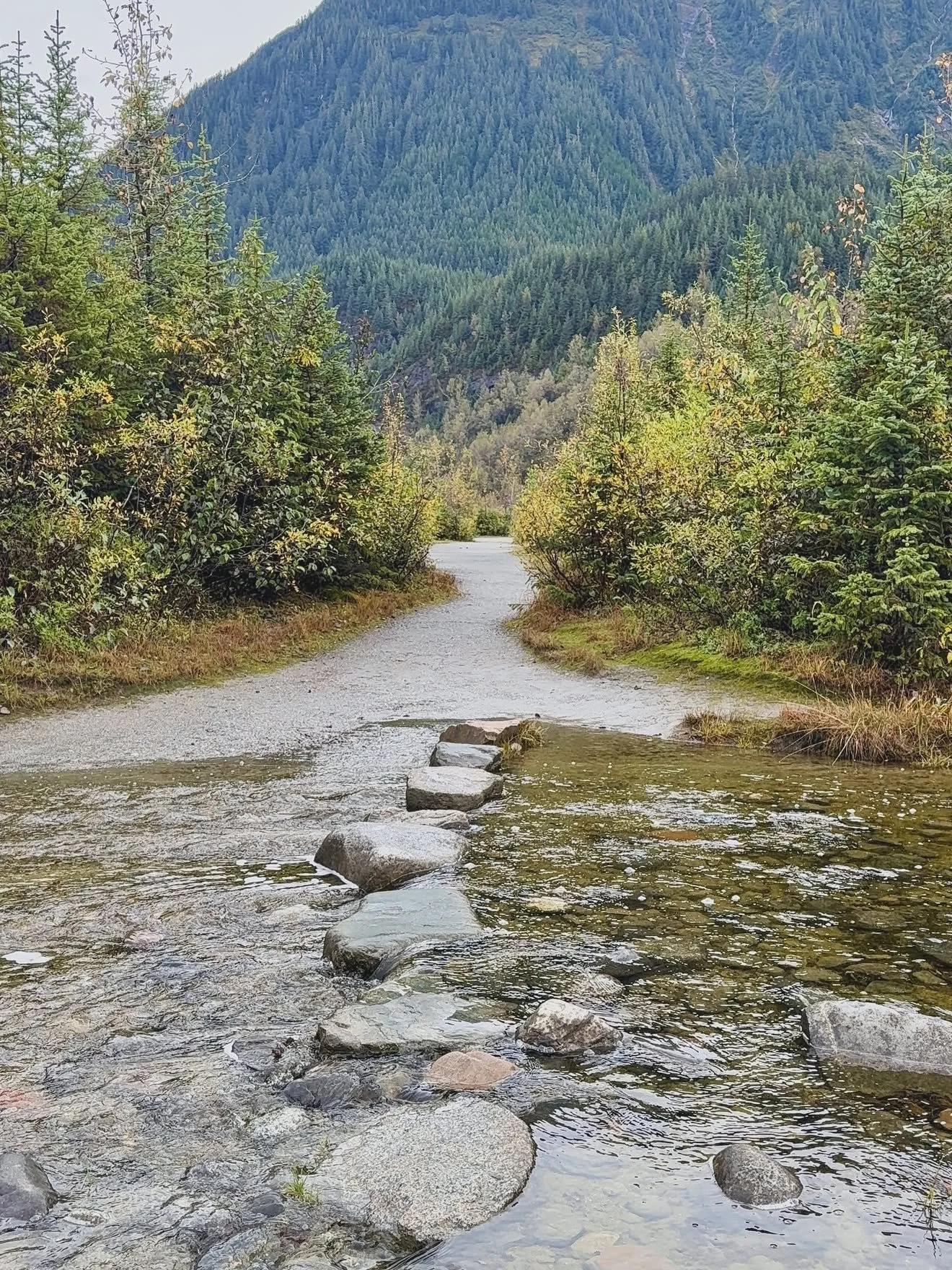
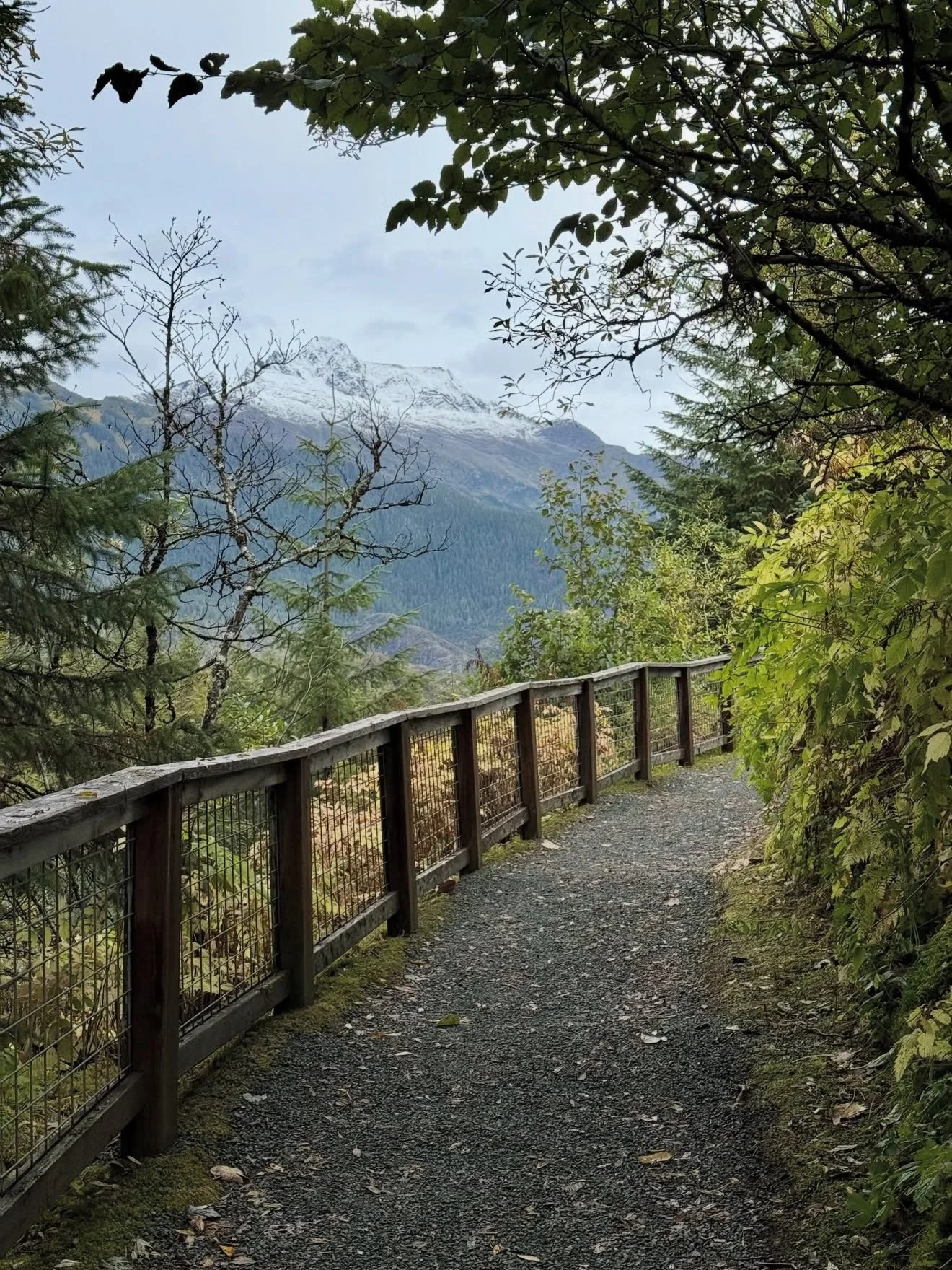
The glacier itself shimmered in shades of blue beneath fresh snow-capped peaks. I followed paths lined with Sitka spruce and hemlock, crossed stepping stones over a shallow stream, and paused at overlooks where the valley seemed to stretch forever.
Every turn held contrast—rushing water beside quiet forest, rugged mountains cradling fragile ice, the stillness of a trail balanced against the immensity of a glacier.
Why Juneau Stays With You
Travelers often ask me: What should I see in Juneau if I only have one day? My answer is always the same—head to Mendenhall Glacier and Nugget Falls. Not because they’re convenient or famous, but because they encapsulate the very essence of Alaska: raw beauty, wildlife in motion, and moments that ground you.
For me, these places aren’t just stops on a map. They’re reminders to slow down, to breathe deeply, and to stay present with the world in front of me.
If you’re planning a trip to Alaska, let Juneau be more than a port call. Step off the ship, wander the trails, feel the spray of the waterfall, and listen to the sound of the wild. It’s an experience that follows you home long after you’ve left.


Alaska Photography Tours | DIY Juneau, Alaska
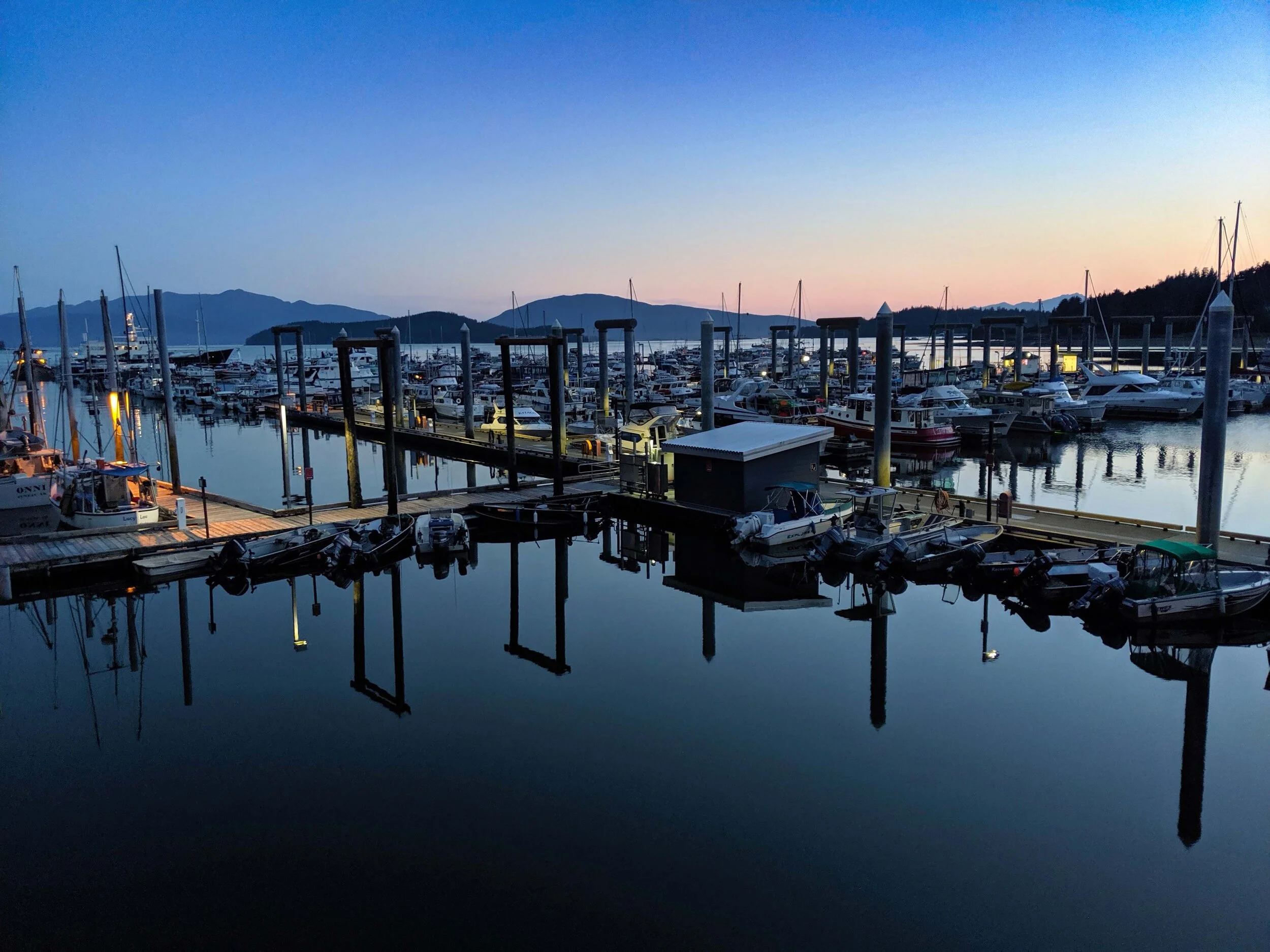
Statter Harbor (aka Auke Bay Harbor) late in the day
DIY Photography Tours
There are several photography excursions you can explore while staying in Alaska. Often times, the tours are focused on something specific such as the Northern Lights or perhaps a specific animal such as a Bear. If you have limited time and would like to give yourself the best chance to photograph something specific in Alaska, I highly recommend taking a tour or hiring a private guide.
However, if you have a few days to roam around Juneau, Alaska, I would encourage you to challenge yourself to photograph as much as you can in your time here. What’s helpful with this ‘cast your net’ approach (or taking a broad approach to photographing as much as possible), is a list of items for you to focus on. This will help get your mind thinking about items to look for when you’re out and about - and it will help you get as many great shots as possible.
Statter Harbor - One of Juneau’s beautiful harbors
Just like other cities in Southeast Alaska, Juneau has several harbors. Especially during the summer months, these harbors are hustling and bustling with commercial fishermen (& women), fishing and whale watching charters, and private boats. Every once in awhile a mega yacht will also be docked dwarfing even the biggest of commercial fishing boats (check out the short video below). While some boats have dedicated dock space (first few spaces of the harbor), most spaces at this harbor are considered ‘Transient Moorage’ meaning there’s always new boats coming and going and new things to photograph!

Walk the docks of Statter Harbor
If you have a few minutes while you’re here, I encourage you to walk through the docks photographing the details and landscape of this harbor. Most of it is made out of weathered wood and most boat captains are very friendly. Get a feel for the vibe of ‘Alaskan fishing life’ and listen to the docks as they groan against the change of the tides. If you happen to be into photography, here’s a list of items that you may want to capture while you peruse the area.
10 things to photograph at Statter Harbor
Harbor Seals (or Sea Lions): Check out the wildlife that hangs out around the harbor (some people have even spotted humpback whales from the docks!).
Commercials Buoys: If the commercial boats are in, usually they boast bright, colorful buoys that they use at the end of their fishing lines / crab pots.
Flags: Several boats (commercial and private) will have flags on them. Some of them the USA flag and other flags that add character to the ships.
Eagles: Keep your eyes open for eagles. Usually they are flying overhead, near the waters edge or perched in the gigantic pine trees that line the harbor.
Ropes: Almost every boat uses some type of ropes to connect to the floating docks. These ropes come in multiple patterns, textures and widths.
Dogs: I have met several boat captains who will take their dog out to sea.
Grundens: Usually bright orange or even a forest green, several anglers often have heavy duty rain gear that includes bib overalls and a heavy rain coat.
XTra Tuff (Brown Boots): Considered a staple to Alaskans, I would be very surprised if you did not see at least 1 pair of Xtra Tuff boots. These famous brown boots adorn even the smallest of anglers.
Mountains: If you’re facing away from the harbor and the weather is clear, check out the mountain range in the distance.
Halibut, Salmon or Crab: If you’re at the docks during the summer evenings, there’s a great chance that you’ll see an anglers catch from earlier in the day.
Did you have a chance to photograph around Statter Harbor or near Juneau? If so, we would love to see your images! Feel free to reach out on our contact page - we look forward to hearing from you!

Alaska Photography Tips | Photographing Wildlife and Landscapes in Southeast Alaska
There’s so much to see, do, experience and photograph in Alaska! Over the last decade, I have been visiting this great state (mainly throughout Southeast Alaska) and have learned a few things from a photography standpoint that I would love to share with you!
Alaska Photography Tips
There’s so much to see, do, experience and photograph in Alaska! Over the last decade, I have been visiting this great state (mainly throughout Southeast Alaska) and have learned a few things from a photography standpoint that I would love to share with you! These photography tips are practical and I hope they help you with your landscapes and wildlife shots. If you have any specific questions, please let me know in the comment section or send me a message leveraging the form on the contact page.

Photography Tips for Shooting in Alaska
There’s always a weather condition or element that you are battling as a photographer in Alaska. It might be windy, rainy, foggy. or hazy The temperatures maybe chilly and frigid causing you to jitter around more than normal. Or you’re trying to photograph from a moving bus, boat or helicopter. All of these things add to the complexity of photographing the beauty and wildlife in Alaska.
Often times, I find myself with a split second to take a capture especially when photographing wildlife. I’ve taken quite a few shots that were blurry or completely off the mark. If you find you have a similar issue, below are a few things for you to keep in mind as you adventure outside and capture the wild world around us in Alaska.
Camera Gear for Alaska
In my experience, I have used my longest lens for most of my wildlife shots and even mountain top photographs. The Alaska landscape is big and even though a humpback whale is quite large, the mountains and waterways seem to dwarf the size of the whale. If you have a teleconverter, please make sure to take it as well.
If you’re unsure of which camera body to take, please take whichever one you have that offers the widest ranges of aperture, ISO, and shutter speed. Often times your shooting conditions will be less than ideal due to the weather so make sure your camera does well in low light conditions, fast moving wildlife and distance.
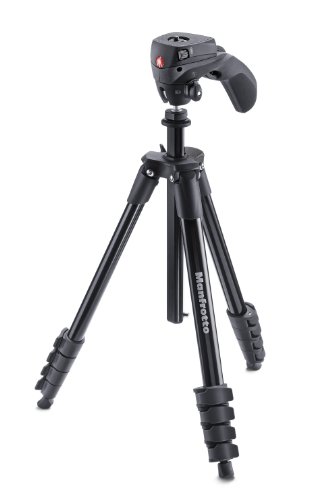
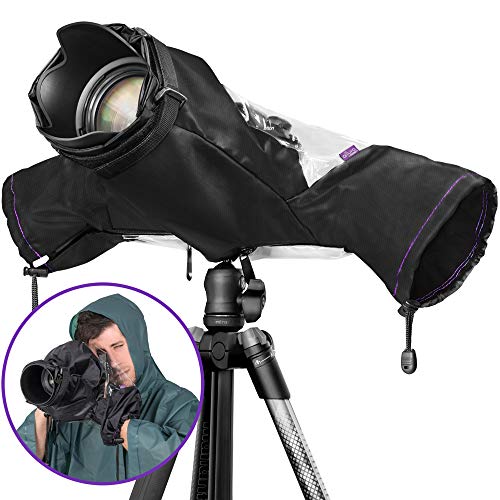
Two other camera pieces that you might find helpful are a tripod (always helpful in my opinion) and a rain cover. While a plastic bag will work as a camera cover, when it really downpours the simple investment of an actual camera cover with more solid plastic (and no accidental holes) will be worth every penny. Here are the two products that I use:
Photographer Tips for Shooting in Alaska
Patience: You know the saying, ‘Patience is a virtue’ and I have found that it could not be more critical to heed that saying than in Alaska. For example, Humpback Whales will come up for air every few minutes before they do a deep dive into the depths of the ocean. Often times, their last breath of air will be followed by their tail (fluke). If you’re patient enough, you can capture this fluke above water. Once when I was whale watching, one breeched completely out of the water! You never know what you will see if you are patient enough.
Multiple Focal Points: I started off trying to photograph humpback whales with manual focus and soon realized that for these moving creatures, trying to focus manually was extremely hard. Most DSLRs come with an automatic focus. Let the camera do the hard work for you so you can focus on things like framing, rule of thirds or even just trying to get the wildlife in the viewfinder. I have also found that the more focus points you use, the more chances you have of capturing a fast moving animal or bird. I especially found this true with photographs of diving birds.
Exercise: This seems like an odd tip but hitting the gym a few times and building your muscles for a long day of photographing is one key to successful days in Alaska. If you’re photographing wildlife, you’ll most likely be using a longer/bigger lens. Your lens is only going to be as good as how still you can keep it. Your length of time and the exposure to how many animals / birds / landscapes you have the opportunity to capture will be determined by your own endurance level. This might sound like a lame tip but its not one that most people think about until they miss the orcas swimming by because their arms are tired.
Whales: If you are new to photographing whales, consider their swimming patterns in advance. After you see a few in the water, you’ll know what I mean. For Humpback Whales, they take long, slow, deep breaths when cresting the surface of the area. On average, you’ll have 3-4 opportunities to photograph the whale’s breathing hole and then 1 opportunity to photograph it’s fluke. This might seem like a lot of time but quite often, you will need to use some of the time between when you first spot the whale to it’s final tail fluke to get closer to the whale.
Orcas on the other hand seem to come up for air more often. They travel in pods so you might see more than one dorsal fin popping above the water. Orcas tend to crest the water more often and travel faster. This means that you while you may have more opportunities to photograph their crest, they will move outside of your lens range faster. Side note - I have seen more Orcas breaching the water than I have humpback whales.
Your Alaska Photography Tips
Do you have any photography tips that you find help when photographing landscapes or wildlife in Alaska? If so, please share them in the comments below! In the meantime, check out these shots from Alaska:


Best Photography Locations in Alaska
Best Photography Location in Petersburg Alaska
One of my favorite places to photograph is located in Petersburg Alaska. It’s a tricky spot to get to because the best angles are from the Wrangell Narrows (waterway) during low-tide. For this spot, timing is everything.
Here’s an image that I’ve taken from this spot:

Petersburg, Alaska
Great Photography Location in Alaska
One of the reasons why this location is one of the best in Petersburg, Alaska is because the landscape is always changing. In addition to juggling the weather and the tides, the mouth of the Wrangell Narrows opens up to the Frederick Sound. The Sound contains deeper waters and pods of Orcas and even Humpbacks swim through this area everyday. You never know when you’ll see a whale fluke or even a sea lion.
Directions to Petersburg Alaska Photography Location
Starting at Papa Bear’s (it’s right on the main street of the town), head North towards Eagles Roost Park by foot. It will take you about 5 minutes to walk and please note that there is a slight uphill.
Once you’re at Eagles Roost Park, face the direction of the water and turn to the right. You will see the beginning of a path.
Follow the path for about :15 seconds and you’ll see stairs. Take the stairs (approximately 3-4 flights).
This is where your timing will be key. During low-tide, there will be rocks exposed. Scramble over the rocks and look down the Wrangell Narrows towards Devil’s Thumb. On a clear day, you’ll see the wonderful mountain peak.
Please note that the tide swings can be more than 14 feet (depending on the time of year, it can swing to 20+ feet).
Tip: Wear waterproof boots so you can wade into the water a bit

Directions to photography location in Petersburg, Alaska
I’m so glad you’re here.
This is a cornerstone of Alaska-inspired stories, photography, and small rituals - for people who want to travel, and live, with more intention.
Written from Juneau, Alaska by a photographer who lives here.