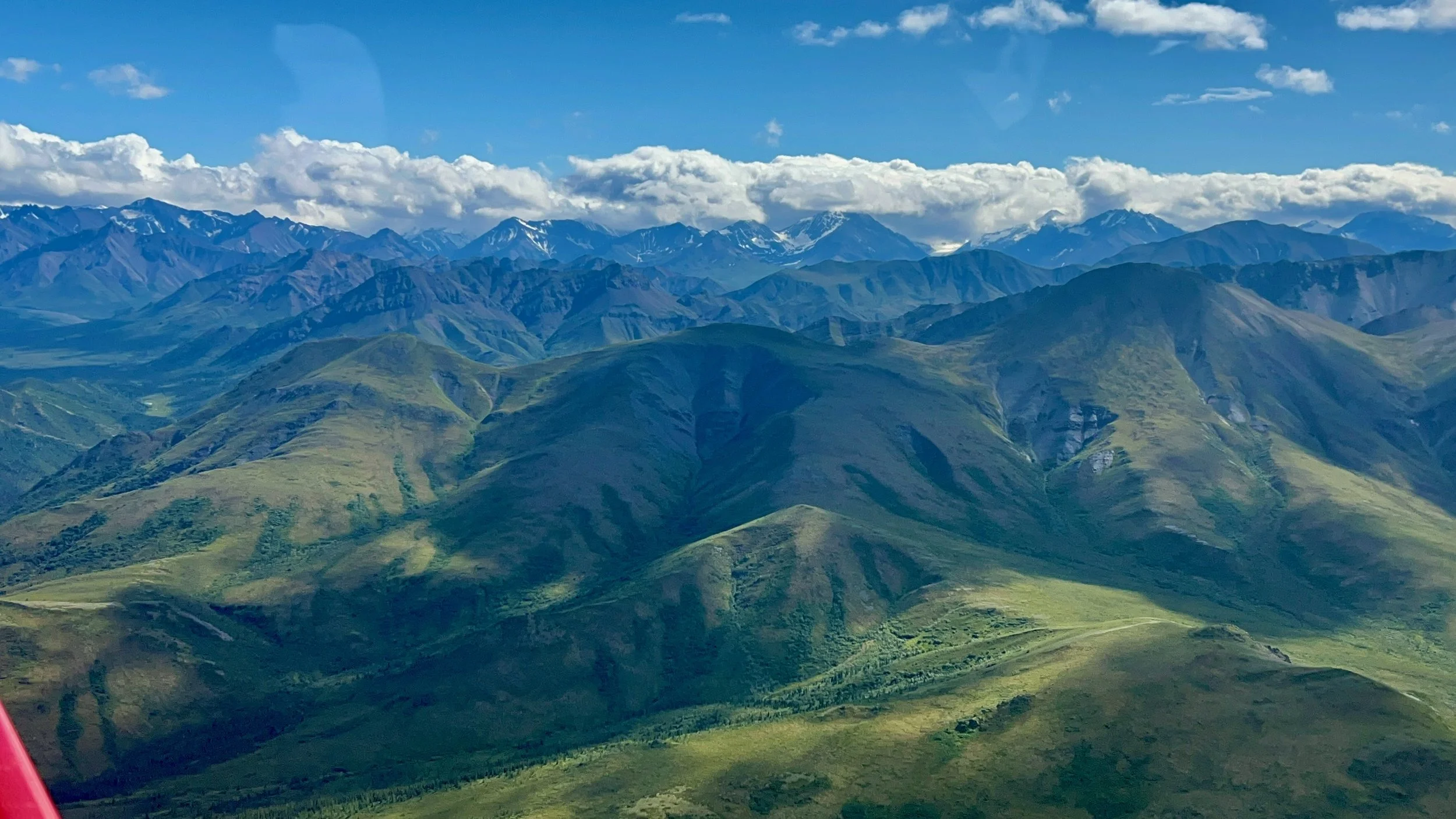
Stories and guides for a more thoughtful Alaska trip.
Crafted by Mary Jacquel, from lived experience, original photography, and practical insight.
Best Time to Visit Alaska: By Month, Season, Cruise, and Northern Lights
The best time to visit Alaska depends on what kind of trip you want. This guide breaks down the best time to visit Alaska for cruises, northern lights, wildlife, fewer crowds, and first-time visitors plus what to expect month by month.
If you are trying to figure out the best time to visit Alaska, the answer is less about one perfect month and more about the kind of experience you want.
The best time to visit Alaska depends on what kind of trip you want. This guide breaks down the best time to visit Alaska for cruises, northern lights, wildlife, fewer crowds, and first-time visitors — plus what to expect month by month.
If you are trying to figure out the best time to visit Alaska, the answer is less about one perfect month and more about the kind of experience you want.
Some travelers want Alaska in its most open and expansive form: long daylight, active ports, easy logistics, and a full summer rhythm. Others want something quieter — fewer crowds, more atmosphere, a little more room around the edges. And some are not looking for summer at all. They want dark skies, snow, and the chance to see the northern lights.
That is why this question matters so much.
Not just when to visit Alaska, but which version of Alaska you want to meet.
For most first-time visitors, the easiest answer is still summer. But the strongest choice depends on whether you care most about cruises, wildlife, weather, crowds, fall color, or aurora.
Best time to visit Alaska for first-time visitors
For most first-time travelers, the best time to visit Alaska is June or July.
These are the months when Alaska feels easiest to access and easiest to understand. Days are long, excursions are widely available, cruise season is in full motion, and the state is operating in its clearest visitor rhythm.
If you want your first trip to feel classic, scenic, and relatively straightforward to plan, start there.
Why June and July work so well:
long daylight hours
broad seasonal access
strong cruise and land-tour alignment
easy wildlife viewing opportunities
the most recognizable “summer in Alaska” experience
If you want a first trip with slightly fewer people, early August can also work well.
Best time to visit Alaska for fewer crowds
If your priority is avoiding the busiest stretch of the season, the best time to visit Alaska for fewer crowds is usually May or September.
These months tend to feel more spacious. The pace softens a little. The experience can feel less dominated by peak-season movement and more shaped by atmosphere.
Visit Alaska in May if you want:
spring scenery
snow still visible on the mountains
a quieter start to the season
a strong shoulder-season option
Visit Alaska in September if you want:
cooler air
early fall color
a quieter, moodier trip
a softer end-of-season feel
The tradeoff in both months is that Alaska may feel slightly less effortless than it does in peak summer. That does not make it worse. It just means some travelers will prefer the broader access of June and July.
Best time to visit Alaska for cruises
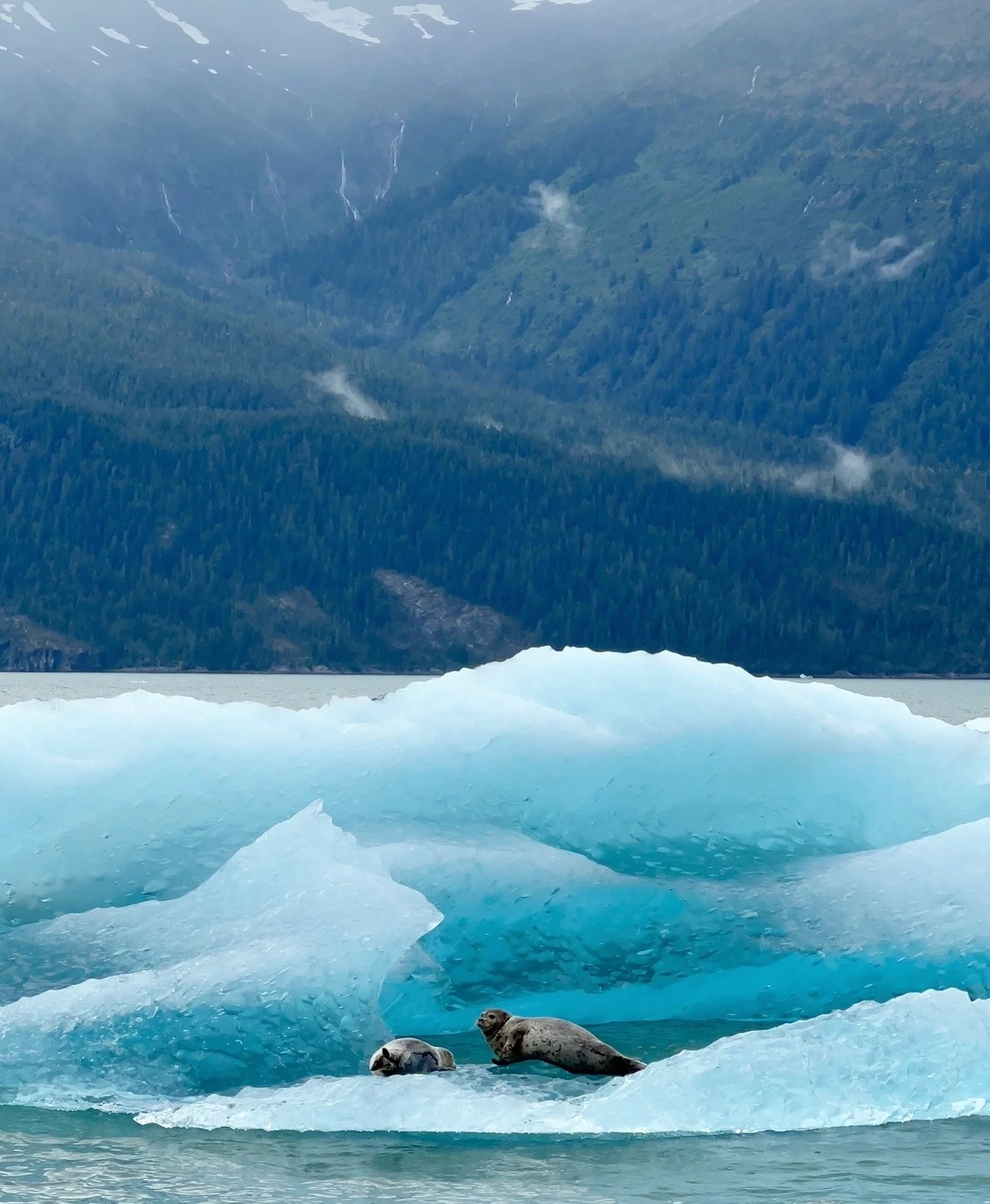
The best time to visit Alaska for a cruise is May through September, with June and July often being the easiest choices for first-time cruise travelers.
That is when Alaska’s cruise season is at its strongest and most consistent. If your picture of Alaska includes glacier viewing, Inside Passage ports, whale watching, and the classic coastal experience, this is the main window to consider.
Best months for an Alaska cruise:
May: quieter and often appealing for shoulder-season travelers
June: long days and a classic first-time cruise experience
July: peak season and full summer energy
August: strong access with a slightly softer late-summer feel
September: fewer crowds, more atmosphere, and a later-season rhythm
If you want the broadest, easiest cruise experience, choose June or July.
Best time to visit Alaska for northern lights
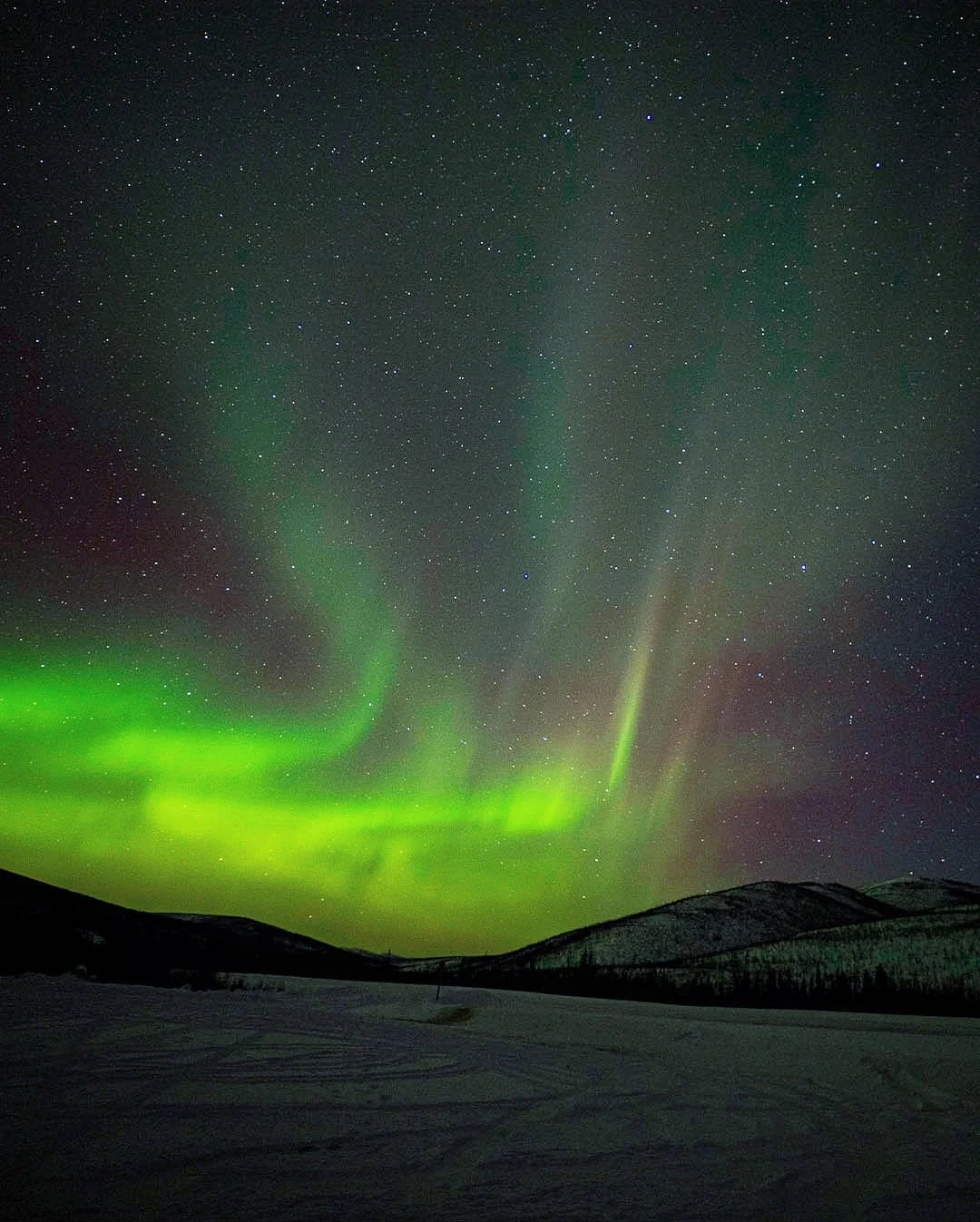
The best time to visit Alaska for northern lights is not summer.
If your trip is centered on aurora, think in terms of late August through March, especially in Interior Alaska. This is a different Alaska entirely - colder, darker, quieter, and less built around summer tourism. For my first serious trip to chase lady Aurora, I went to Fairbanks in February. It was an incredible experience albeit the cold was a whole different level of cold - it was stunning.
Northern lights travel is best for people who actively want:
dark skies
winter landscapes
a more seasonal, less conventional trip
Alaska beyond the cruise season
This is why it helps to separate the question.
The best time to visit Alaska for a cruise is very different from the best time to visit Alaska for aurora.
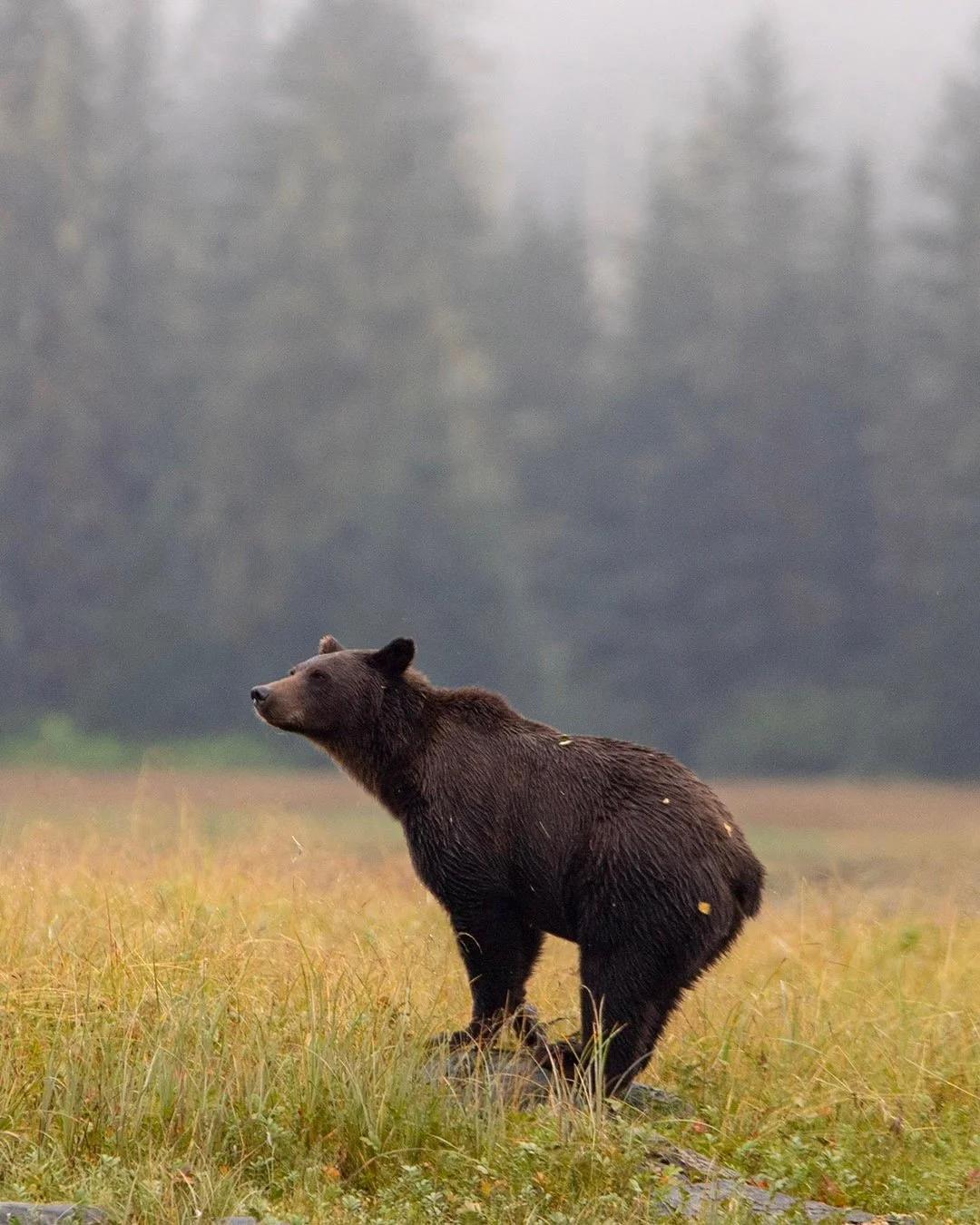
Best time to visit Alaska for wildlife
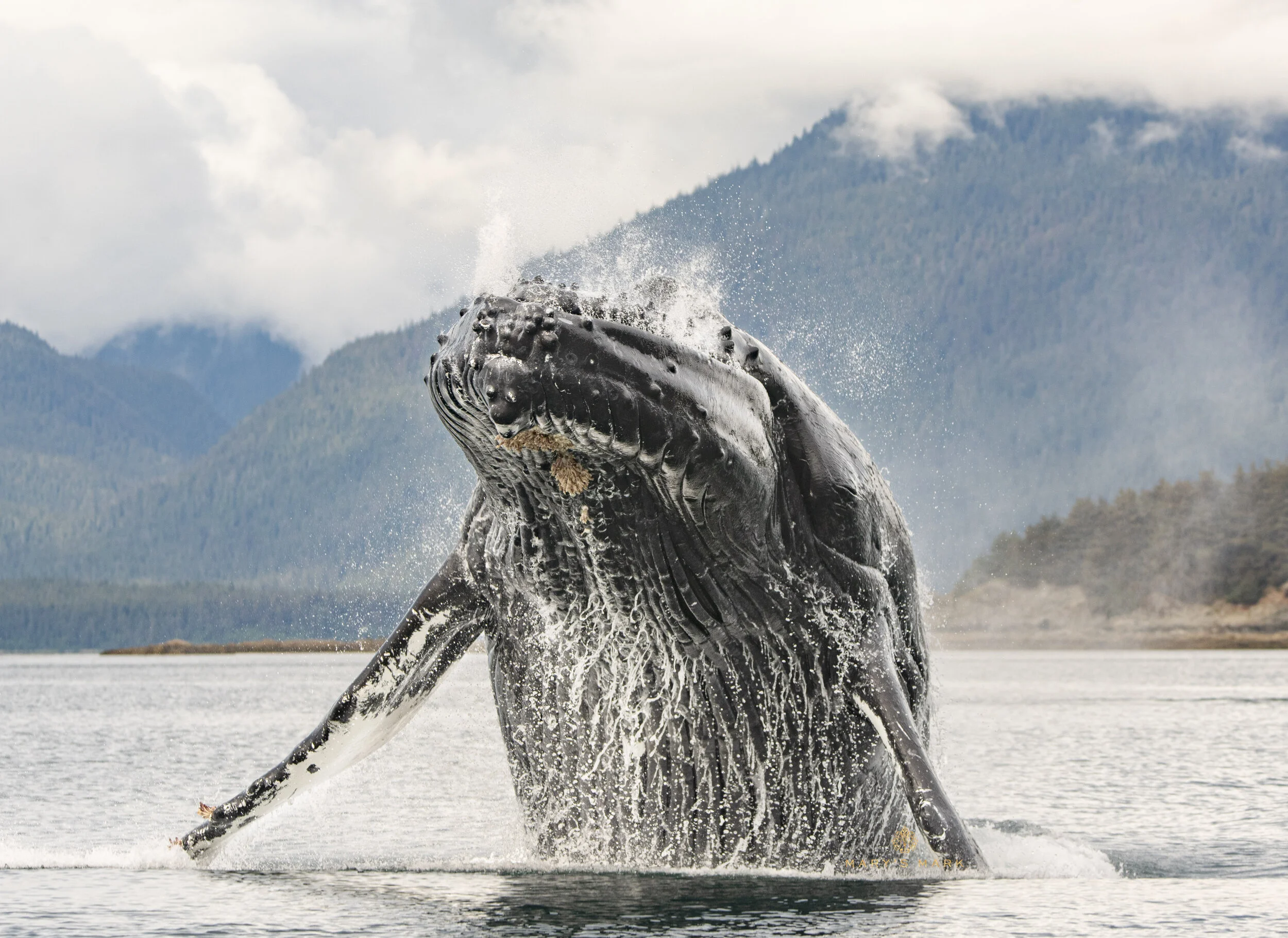
If wildlife is your priority, the best time to visit Alaska is generally June through August. Living here in Juneau, I’ve had the opportunity to watch our humpback whales return in the summer and the orcas starting to chase king salmon in the early summer months.
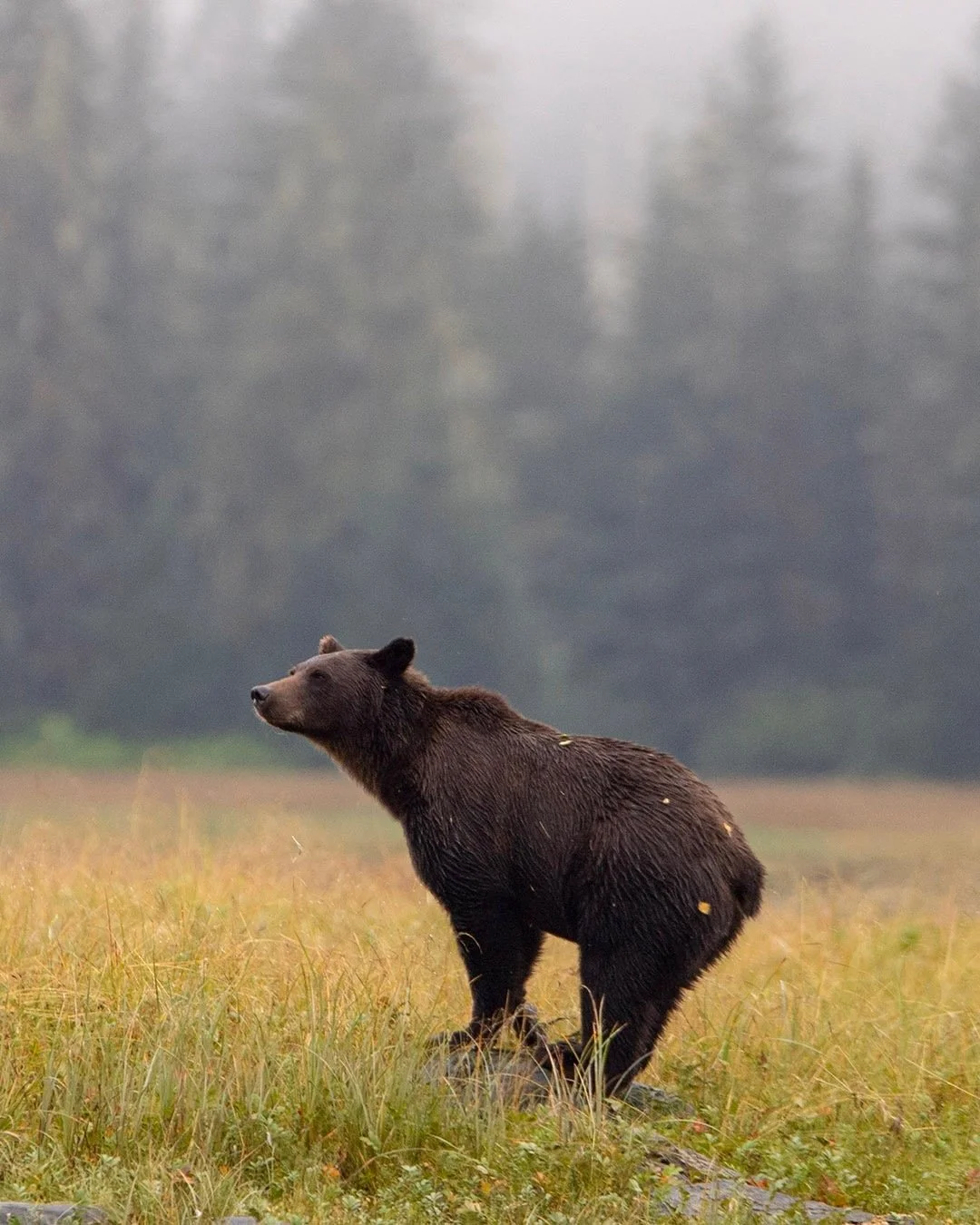
That is the heart of the summer season, when marine tours, wildlife excursions, and broader access make animal viewing easier to build into a trip.
For many travelers, summer is the best answer for:
whale watching
marine wildlife excursions
bear-viewing trips
general wildlife access as part of a larger itinerary
If you want wildlife without peak-summer intensity, late May or August can sometimes offer a nice balance.
Best time to visit Alaska by month
Alaska in May
May feels like the season beginning.
It is a good month for travelers who want Alaska before it reaches full summer pace. There is often a sense of freshness to May — spring light, quieter movement, and a little more breathing room in the experience.
Best for: fewer crowds, shoulder season, spring scenery
Alaska in June
June is one of the strongest months for a first trip.
The days are long, the state feels fully awake, and travel plans tend to come together more easily here than almost anywhere else in the calendar.
Best for: first-time visitors, cruises, long daylight, classic Alaska travel
Alaska in July
July is Alaska in full expression.
Everything is active. Ports are busy, excursions are running, and the state feels fully in season. If you want the most classic high-summer Alaska trip, July is one of the clearest answers.
Best for: peak summer travel, wildlife, easy planning
Alaska in August
August still belongs to summer, but it begins to soften.
The light changes slightly. The season starts to feel less sharp-edged than July. It remains a strong month for travelers who want access to major experiences but are open to a slightly quieter late-summer tone.
Best for: late summer travel, cruises, wildlife, strong access
Alaska in September
September is for travelers who want a little more mood.
This is when Alaska begins to feel quieter, cooler, and more autumnal. The landscape changes, the crowds thin out, and the trip can feel more spacious.
Best for: fewer crowds, fall atmosphere, early shoulder-season travel
Alaska in winter
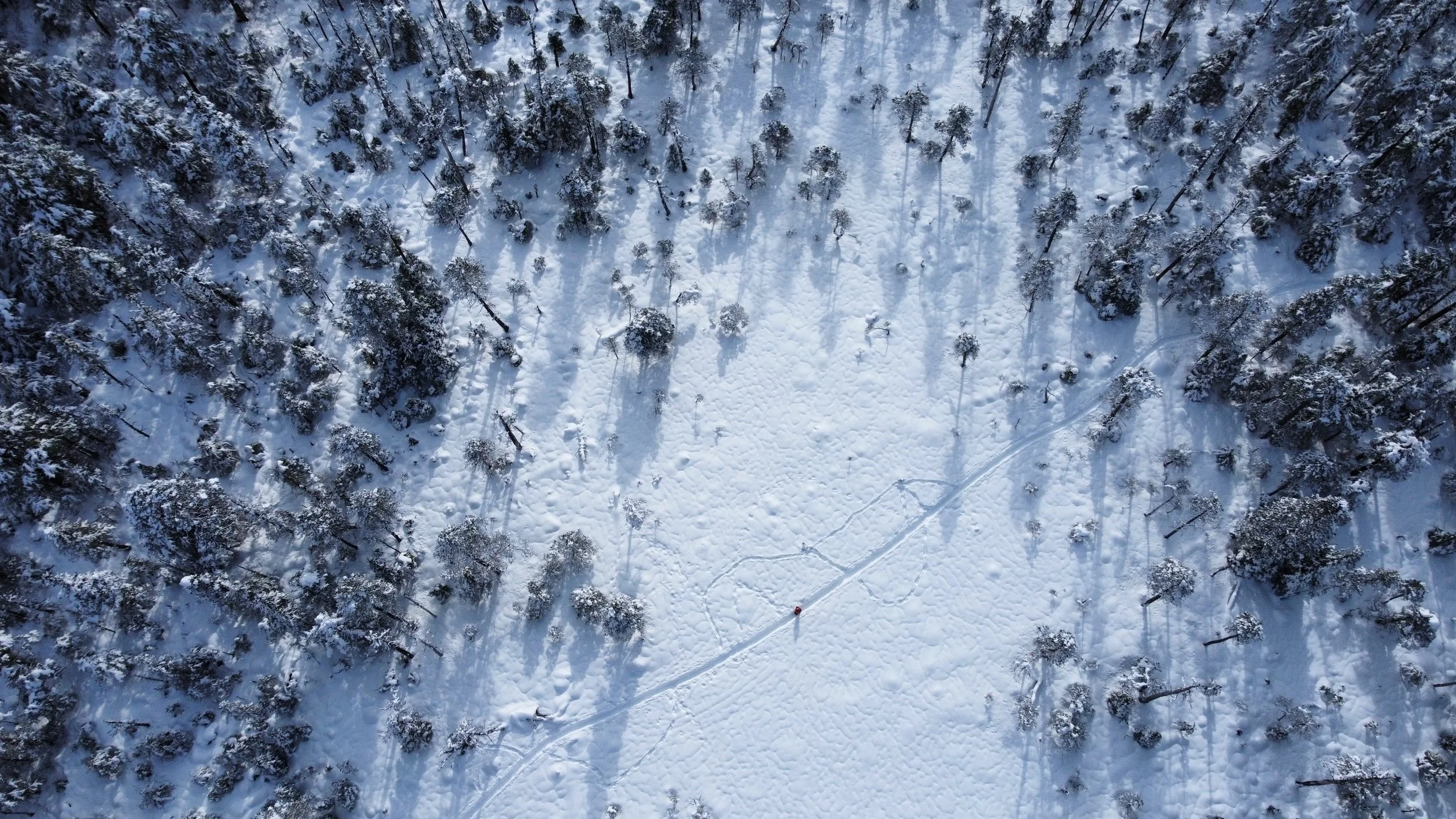
Winter is not a variation of summer Alaska. It is its own thing.
This is the Alaska of snow, stillness, aurora, and dark skies. It is best for travelers who want a winter trip specifically, not those looking for a classic first-time cruise-and-sightseeing itinerary.
Best for: northern lights, winter adventure, snow-covered landscapes
Best time to visit Alaska by trip style
Best time to visit Alaska for a land-based trip
For a land-based trip, the best time is usually June through early September, depending on whether you want peak summer or a quieter shoulder season feel.
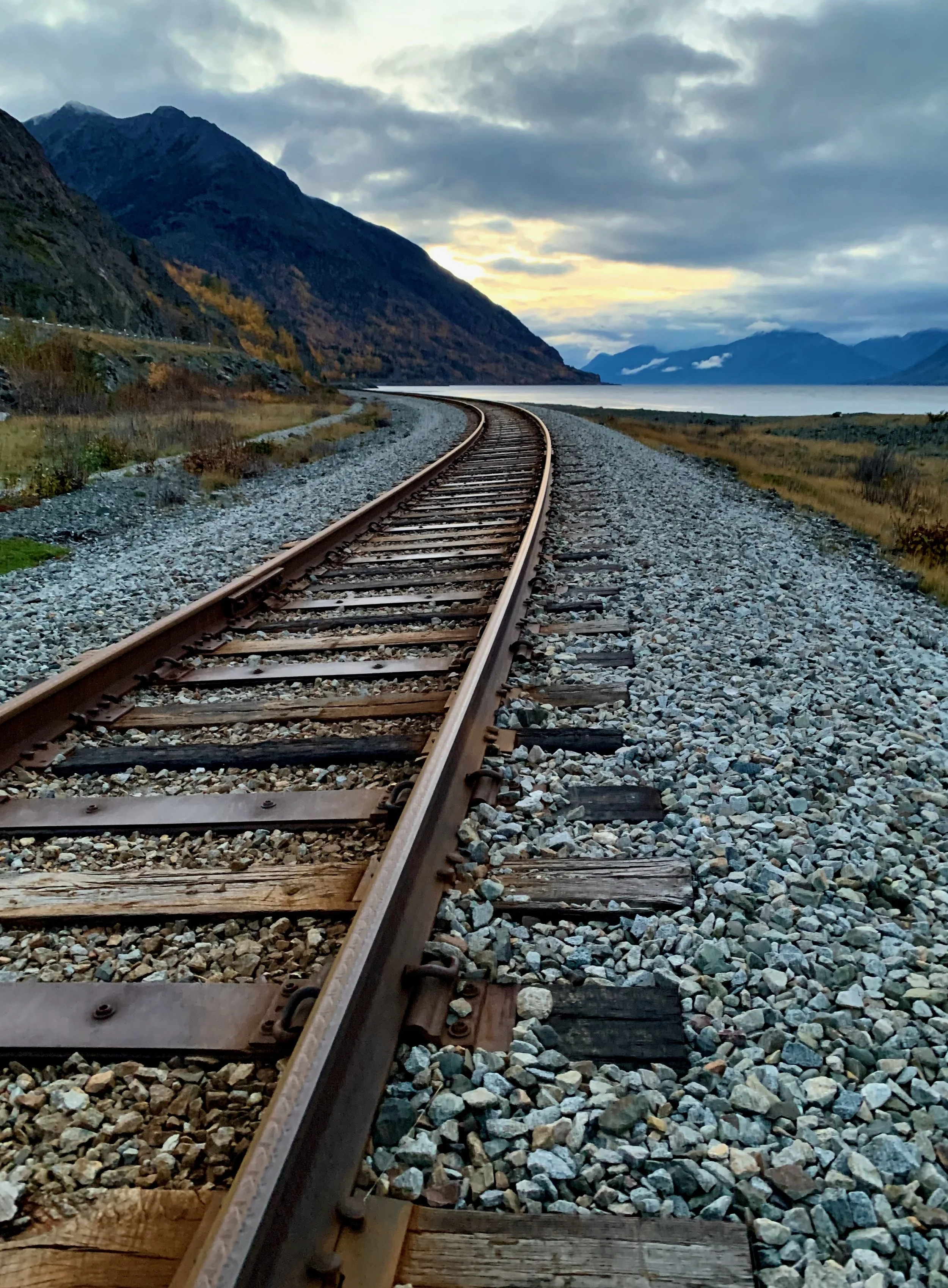
Best time to visit Alaska for a cruise and land tour
If you want to combine a cruise with inland travel, June through August is usually the cleanest planning window because the seasonal pieces align most naturally there.
Best time to visit Alaska for photographers

For photography, timing depends on the kind of images you want.
May and June: fresh landscapes, long soft light
September: fall color, mood, texture
Winter: aurora and snow
Summer overall: broad scenic access and marine wildlife
Best time to visit Alaska for weather
If what you mean by weather is the easiest, most comfortable general travel conditions, June and July are usually the safest answer.
Not because Alaska becomes hot, but because these months tend to offer the most straightforward summer rhythm for visitors.
What Alaska weather actually feels like
One of the most useful things to know before visiting Alaska is that weather here is less about one number and more about conditions.
Even in summer:
mornings can feel cool
boats can feel colder than expected
glacier days often require extra layers
rain can shape the day, especially in Southeast Alaska
sunshine does not always equal warmth
That is why the best Alaska packing advice is also the simplest:
Bring layers in every season.
Alaska is not one place
A big reason this question gets answered too broadly is that people talk about Alaska as though it behaves like one destination.
It does not.
A Southeast Alaska cruise is not the same as a Fairbanks aurora trip. Denali is not the same as Juneau. The Inside Passage is not the same as the Kenai Peninsula.
So when deciding the best time to visit Alaska, it helps to narrow the question:
Are you cruising?
Are you traveling inland?
Are you chasing wildlife?
Are you hoping for northern lights?
Do you want ease, atmosphere, or winter beauty?
The clearer that answer becomes, the clearer your timing usually becomes too.
So, when is the best time to visit Alaska?
If you want the simplest answer, visit Alaska in June or July.
If you want fewer crowds, look at May or September.
If you want northern lights, plan for late August through March.
If you want the broadest, easiest, most classic first-time Alaska trip, summer is still the clearest recommendation.
The best time to visit Alaska is not the same for everyone.
It depends on whether you want Alaska at its most open, its quietest, or its most elemental.
And that is what makes the timing matter.
Continue Planning Your Trip:
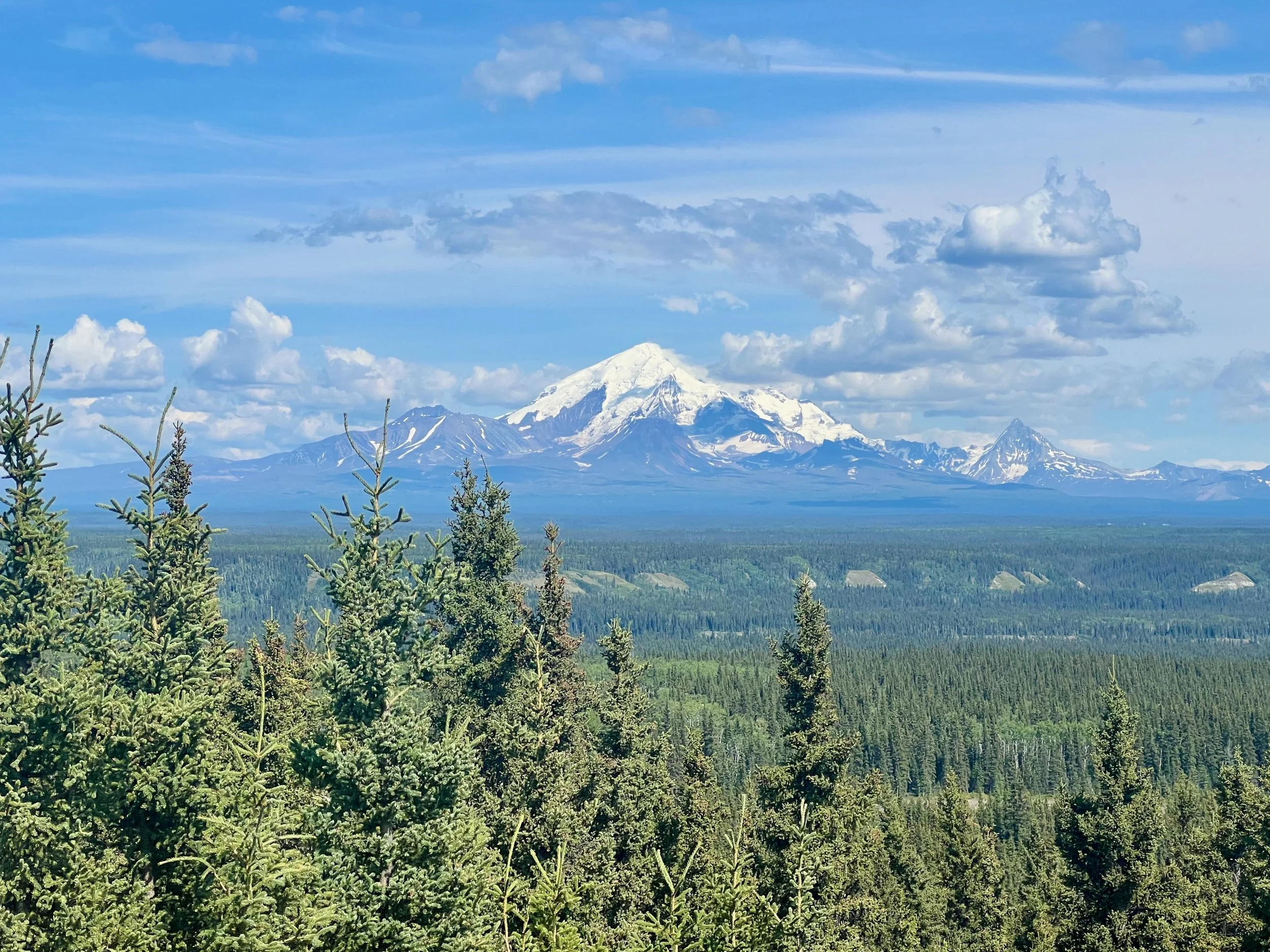
The Alaska Daypack System: What to Bring for Alaska Weather, Warmth, and Everyday Adventure
A practical guide to what to pack in an Alaska daypack, including layers, footwear, weather essentials, and the small things that make Alaska days more comfortable.
In Alaska, the day rarely stays what it first appears to be.
A walk into town can become a shoreline detour. A quick stop can turn into a trail. A gray morning can open into extraordinary light. Part of what makes Alaska so memorable is also what makes it worth preparing for: the weather shifts, the temperature changes, and the best moments often ask you to stay outside a little longer than you planned.
You do not need a complicated packing system to enjoy Alaska well. You just need a thoughtful one.
This guide covers a simple Alaska daypack system for staying warm, dry, and ready for whatever the day brings—whether you are visiting for the first time, heading out on an Alaska cruise excursion, or spending time outdoors close to town.
Why a Daypack Matters in Alaska
One of the easiest mistakes travelers make in Alaska is dressing for the weather they see right now rather than the range of conditions they may move through in a single day.
In many parts of Alaska, especially coastal destinations, conditions can change quickly. Rain moves in fast. Wind picks up near the water. Temperatures can feel very different once you stop walking, board a boat, or linger at a viewpoint. And if you enjoy photography, wildlife watching, or scenic stops, you will almost always want to stay outside longer than expected.
A good daypack gives you flexibility. It helps you stay comfortable, keeps essentials close, and makes it easier to say yes to the best parts of the day.
What to Wear in Alaska: Start With Layers
The best Alaska packing system is built around layers, not bulk. You want clothing that moves with you, adjusts easily, and helps you stay comfortable across changing conditions.
1. Base layer
Your base layer is the foundation of the day. It helps regulate temperature, manages moisture, and makes the rest of your outfit work better.
Look for:
moisture-wicking fabric
a soft, comfortable fit
something light enough to layer without adding bulk
A good base layer matters more than people think, especially in Alaska, where comfort often comes down to staying dry and adjusting well to changing weather.
2. Mid layer
Your mid layer is what keeps you warm when temperatures drop, wind comes up, or you stop moving.
This might be:
a fleece
a warm pullover
a lightweight insulated jacket or vest
The goal is warmth without heaviness. A zip layer is especially helpful because it gives you more temperature control throughout the day.
3. Outer layer
A reliable outer layer is one of the most important things to pack for Alaska. Your shell should protect against:
rain
wind
light spray near the water
sudden changes in weather
A hooded waterproof jacket is often the piece that determines whether you keep enjoying the day or decide to head back early.
Best Shoes for Alaska: Rain Boots or Hiking Boots?
If there is one thing that changes the tone of a day quickly, it is wet feet. The best shoes for Alaska depend on what kind of day you are having, but for many travelers, the simplest system is this:
Rain boots are Best for:
rainy coastal towns
docks and waterfront areas
muddy pull-offs
casual sightseeing in wet weather
Hiking boots are Best for:
trails
uneven terrain
longer walks
days when you want more traction and support
If you are visiting Alaska and want to keep packing simple, bring one pair that handles wet weather well and one pair designed for walking or hiking. That will cover most situations better than overpacking multiple “just in case” options.
Alaska Accessories That Make a Big Difference
Some of the most important things to pack for Alaska are the smallest. These are the pieces that improve comfort, especially on cool, windy, or rainy days:
a warm hat
gloves
a scarf or neck gaiter
good socks
These items often determine how long you are willing to stay outside. In Alaska, comfort is not a luxury. It is what gives you range.
What to Pack in an Alaska Daypack
A good Alaska daypack should solve real problems without becoming heavy or overstuffed.
Here is a practical list of daypack essentials for Alaska:
a comfortable backpack
water
snacks
a packable rain jacket
an extra warm layer
gloves or a hat if you are not already wearing them
a small first aid kit
lip balm and sunscreen
phone or camera essentials
any personal items you do not want to be without once you are out for the day
The goal is not to prepare for everything. It is to carry the few things that actually improve the day.
Camera Gear for Alaska Days
Alaska is one of those places where moments happen quickly. Light changes. Wildlife appears without warning. Clouds lift for just a few minutes and then close again.
If photography is part of your day, even casually, it helps to keep a few basics packed and ready:
extra batteries
extra memory cards
a microfiber cloth
a small protective pouch
a camera or phone setup you can reach quickly
The best photography gear for Alaska is often not the most advanced setup. It is the setup that is with you, protected from the weather, and easy to grab when the moment arrives.
Bring a Warm Drink
A warm drink may not seem essential, but in Alaska it can completely change the experience of being outside.
Coffee, tea, or soup in a thermos adds comfort, extends your day, and makes cold weather feel more intentional. It creates a pause and often gives you a reason to stay longer instead of rushing back inside.
For longer outings, some people also pack:
a thermos
instant coffee or tea
a compact stove or hot water setup
You do not need this for every outing, but on many Alaska days, it becomes the difference between enduring the weather and enjoying it.
Three Real-Life Alaska Daypack Scenarios
For rainy sightseeing days: Wear waterproof layers, bring gloves, and make sure your bag includes rain protection and something warm to drink.
For town plus a short trail: This is one of the most common Alaska days. Bring a small backpack, dress in layers, and pack a snack, water, and one extra warm layer.
For photography and scenic stops: Keep your essentials easy to reach. Weather changes fast, and some of the best light comes when conditions feel a little uncertain.
Simple Alaska Daypack Checklist
Wear
base layer
warm mid layer
waterproof outer layer
shoes matched to the day
Pack
backpack
water
snack
extra layer
rain jacket
hat
gloves
scarf or neck gaiter
extra socks if needed
camera or phone essentials
thermos for longer outings
Final Thoughts: Pack for Flexibility, Not Perfection
The best way to pack for Alaska is not to overprepare. It is to prepare well.
A simple daypack system helps you stay outside longer, adapt to changing weather, and enjoy the parts of Alaska that often become the most memorable: the unexpected stop, the quiet trail, the shifting light, the moment you almost missed because you thought you were done for the day.
When you pack for flexibility, Alaska opens up.
Other articles you may be interested in:
What to Pack for an Alaska Cruise
Ultimate Alaska Packing List for Summer Travel
Best Rain Gear for Alaska Travel
Alaska Photography Tips for Beginners
Juneau First-Timer Guide
How to Choose Your Alaska Cruise Itinerary (Using the Alaska Travel Compass)
Choosing an Alaska cruise shouldn’t feel like a part-time job. In this guide, I use my Alaska Travel Compass framework to help you match your why, when, and where to an itinerary that feels like you not just whatever happened to be on sale.
Choosing an Alaska cruise itinerary can feel like a part-time job.
You open one tab to compare dates.
Another to check ports.
Then you’re staring at phrases like “Inside Passage,” “Glacier Viewing,” “Northbound,” “Southbound,” and five different ships that all look… kind of the same.
It’s a lot.
From Juneau, watching ships arrive and depart all summer, I see the same thing happen over and over: people choose an itinerary based on what’s on sale or what their friends booked then hope it matches what they actually wanted.
There’s a calmer way. I promise!
Over the years, I've provided guidance to friends and family as they head up this way to southeast Alaska. I’ve compiled my framework into 1 compass - something that helps them think through what they really want out of the trip and their experiences.
In this guide, I’ll walk you through a simple framework I call the: Alaska Travel Compass. It’s a way to choose your Alaska cruise itinerary based on you. What you want to feel, see, and remember. I’ll also share a few photography prompts from behind my lens so you can think about your itinerary in terms of moments and images, not just ports and prices.
If you’d like a printable version of this framework, you can always sign up for my newsletter (don’t worry, I don’t oversend!) and you’ll get access to the PDF to download my free Alaska Travel Compass (Mini Guide).
The Alaska Planning Compass - by Mary’s Mark Photography
Step 1: Start With Your North. Why You’re Going to Alaska?
Before you worry about which Alaska cruise route is “best,” I want you to ask one simple question: Why am I going to Alaska in the first place? Your North on the compass is that inner reason.
Some common “Norths” I have heard over the years:
Wildlife & Wonder": You dream about whales, eagles, maybe bears. You want that heart-stopping “Did that really just happen?” moment.
Scenery & Soft Adventure: You want glaciers, mountains, and easy hikes or viewpoints—without needing to be a hardcore adventurer.
Port Towns & Harbors: You love walking through historic streets, photographing colorful buildings, and lingering by working docks.
Reset & Perspective: You’re tired. You want fresh air, quieter days, and the feeling of being very small in a very big landscape - in a good way.
Try to pick a primary why, even if others are close behind. It’s easier to compare Alaska cruise itineraries when you can say with confidence:
“This route has more time in small ports, which is my priority.”
“This one includes more glacier time, which is what I’ll think about ten years from now.”

Step 2: Look East - When Do You Want to Sail to Alaska
Your East on the compass is ‘when’ you want to visit Alaska. Many people search “best month for an Alaska cruise” as if there’s one correct answer. There isn’t. Instead, consider:
What kind of mood do I want my trip to have?
Here’s a simple breakdown for Alaska cruise season:
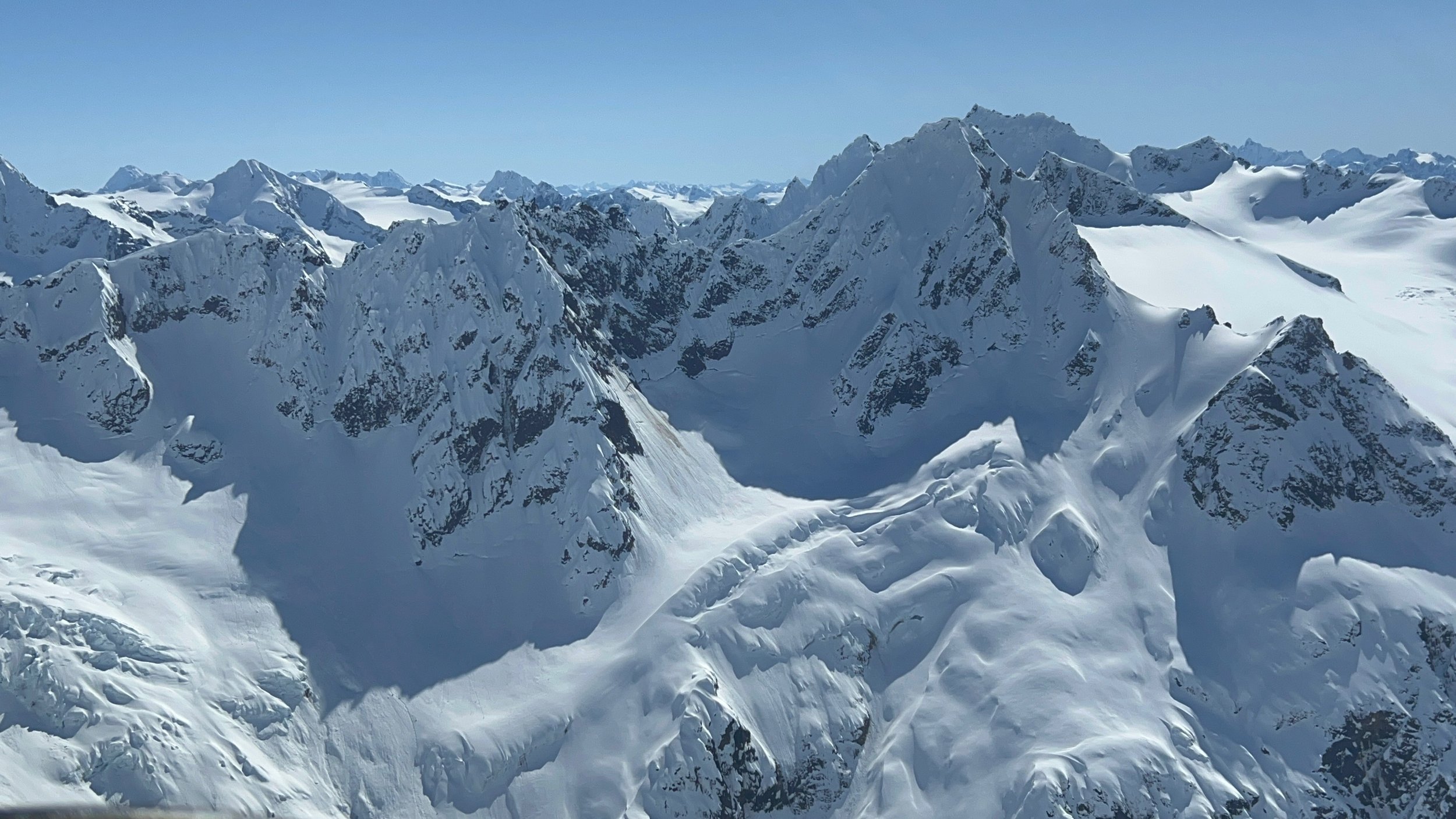
May to early June – Fresh & Wild: Snow still on the mountains, cooler air, fewer crowds. Great if you love dramatic snowy peaks, don’t mind a chill, and prefer a less-busy feel.
Mid-June through August – Classic Alaska Summer: Longer days, greener hillsides, more wildlife tours running, more energy in port. Great for families, first-timers, and anyone who loves long evenings on deck.
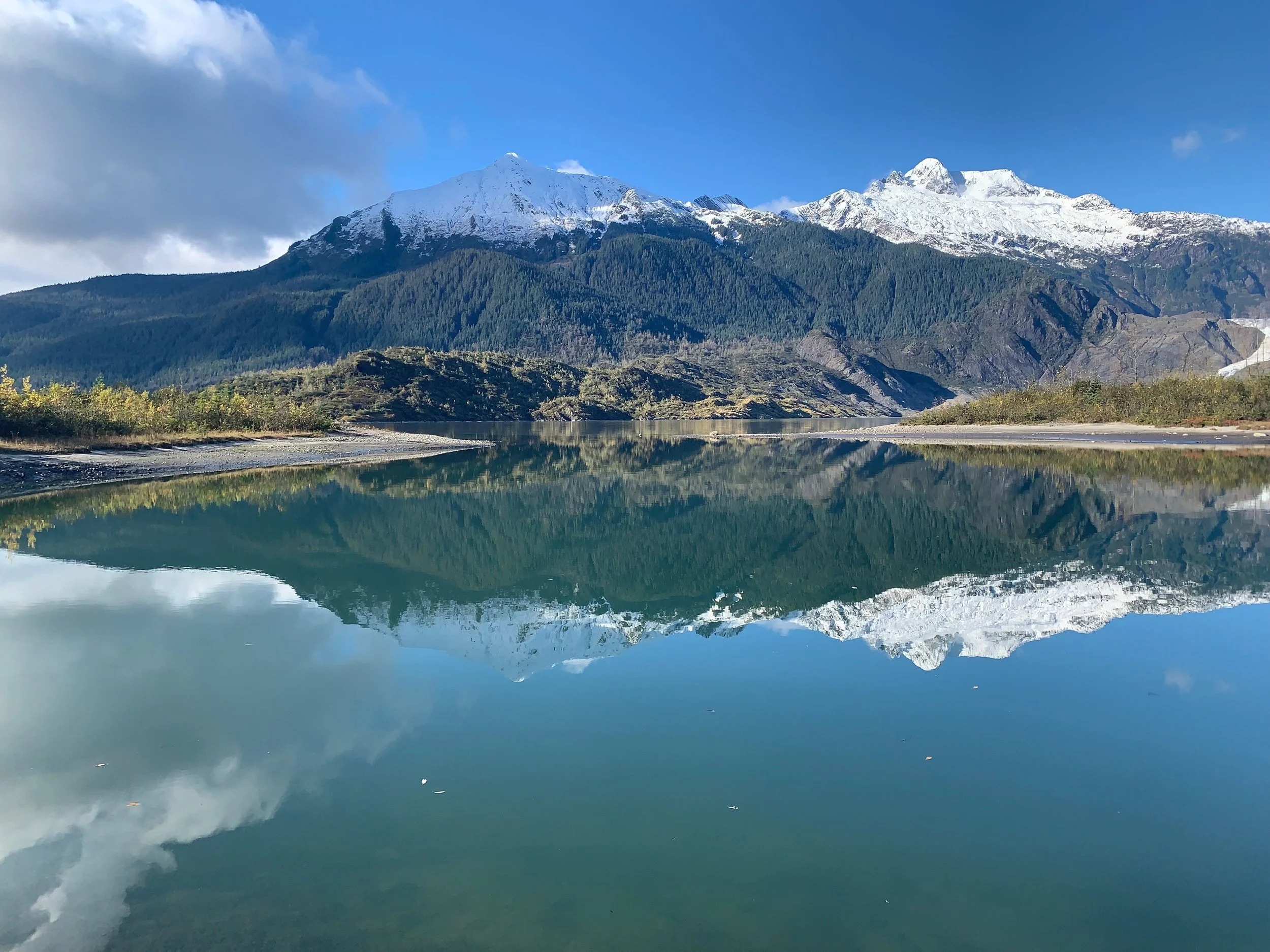
Late August to September – Golden & Moody: More gold in the landscape, slightly cooler, fewer crowds and a gentler pace.Great if you love moodier skies, subtle fall colors, and a quieter experience.
Match your Why with your When:
Wildlife & long light? → mid-June to August.
Quiet, introspective, “edge of the season” vibes? → May or late August/early September.
In the Alaska Travel Compass mini guide, I lay this out in a way you can circle the season that feels right and jot notes about why.
Step 3: Turn South Where Your Alaska Cruise Should Go
Your South is about **where** in Alaska you want to spend your time. This is where “Inside Passage vs Gulf of Alaska” and “roundtrip vs one-way” start to make more sense.
Most Alaska cruise itineraries fall into three broad patterns:
1. Inside Passage / Southeast Alaska
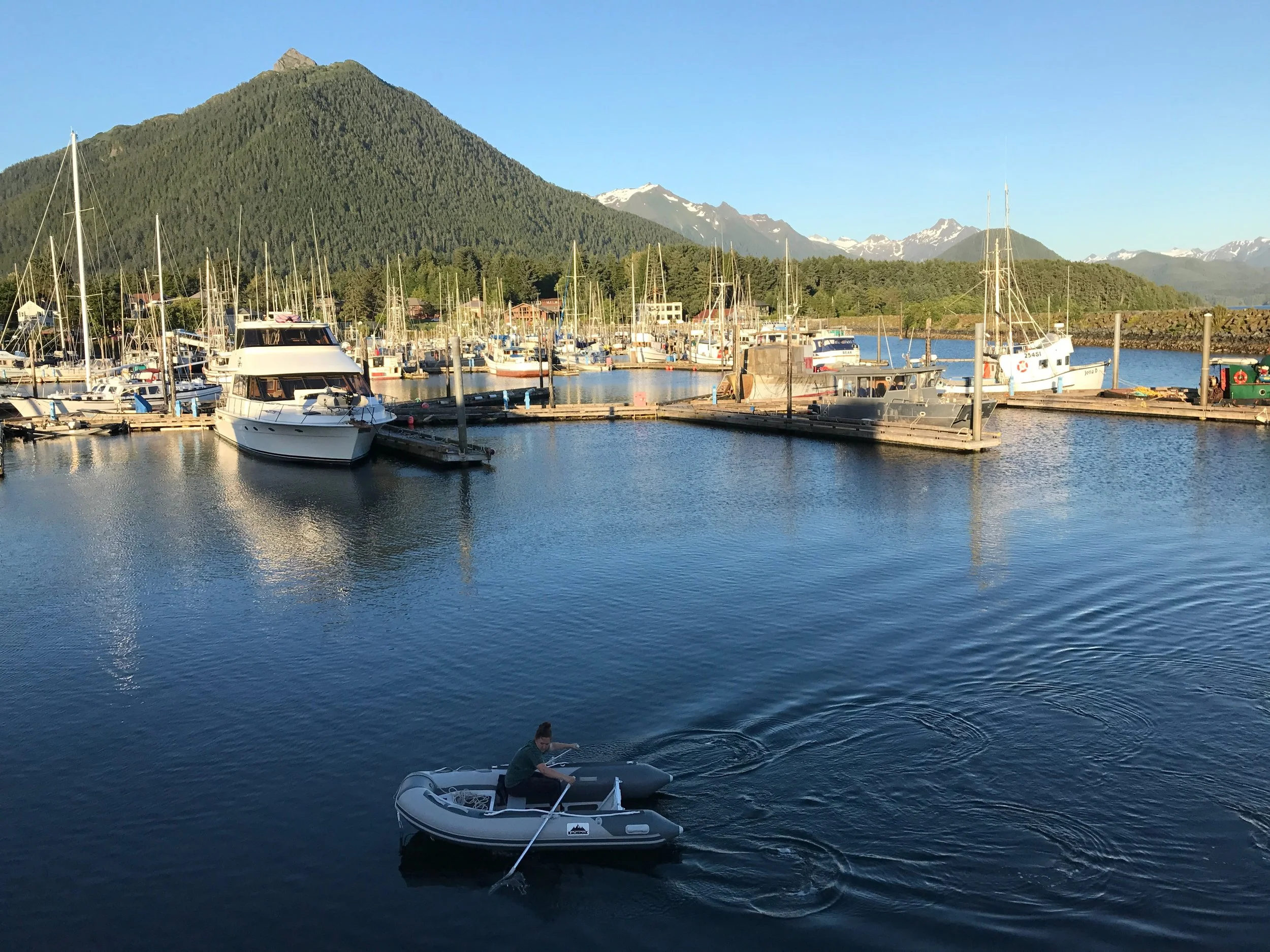
Typical ports: Juneau, Ketchikan, Skagway, Sitka, Icy Strait Point, plus a glacier viewing day (Glacier Bay, Endicott Arm, Tracy Arm, or similar).
Good for you if:
You want classic Alaska cruise scenery: fjords, islands, and steep forested mountains dropping into the water.
You love photo-friendly port towns with colorful buildings and harbors.
Whales, eagles, and shoreline wildlife are high on your list.
2. One-Way (Often Seward or Whittier ↔ Vancouver) + Land Options
These often combine Southeast + Southcentral and are usually paired with a land tour to Denali or the Interior.
Good for you if:
You want more variety: fjords + interior mountains + maybe Denali.
You’re okay with one-way flights and a slightly more complex travel day.
You like the idea of trains, lodges, or extra time on land.
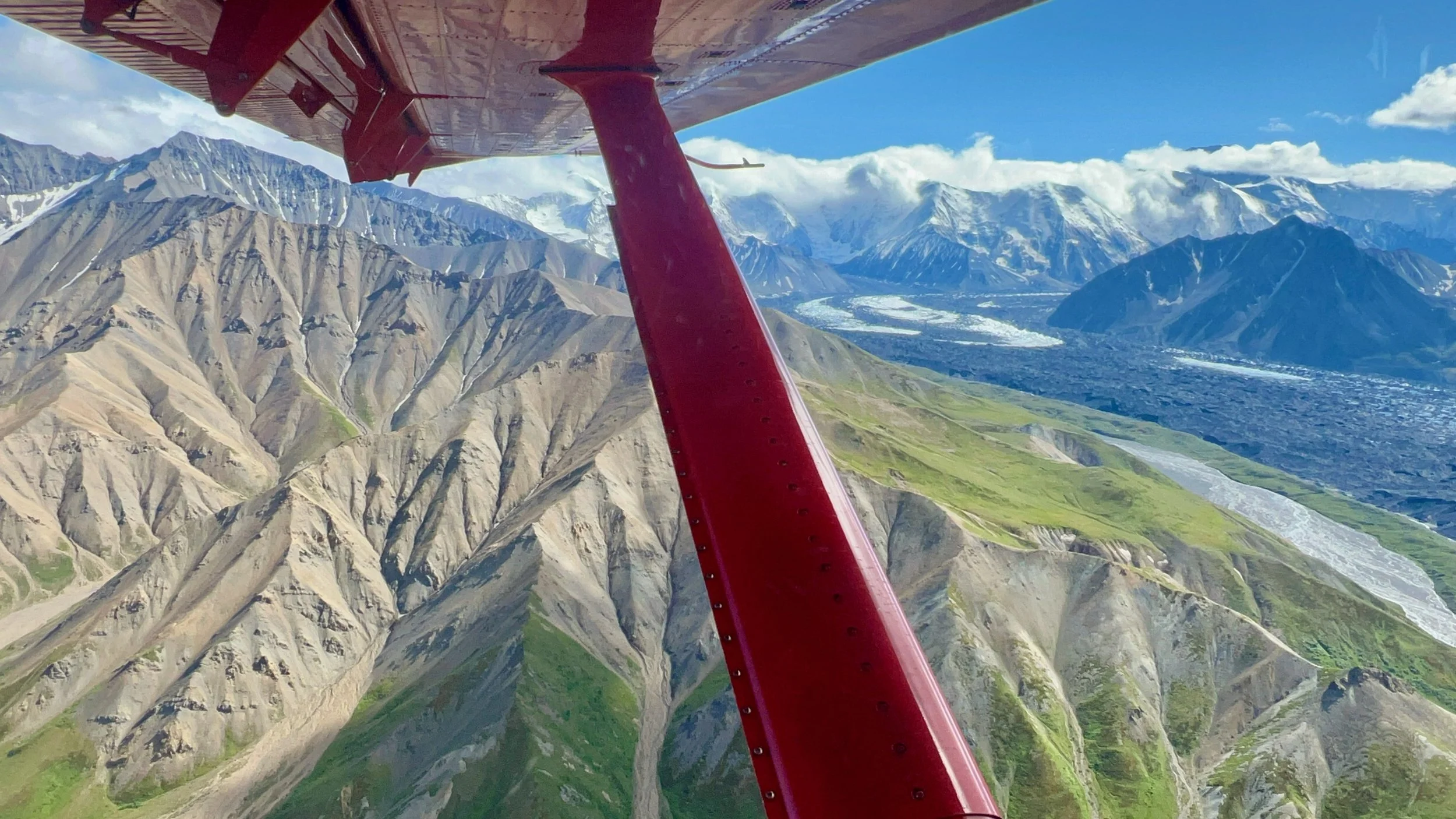
This style is especially good for photographers because it gives you different types of light and landscape in one trip: coastal mist in the southeast, big sky and mountains inland.
3. Roundtrip Itineraries from Seattle or Vancouver
These are usually focused on the Inside Passage, looping in and out of Southeast Alaska.
Good for you if:
You want a simpler travel day (fly in and out of the same city).
You’re a first-time Alaska cruiser and want a straightforward trip.
You like the idea of getting a rich “taste of Alaska” without overcomplicating things.
When you’re comparing routes, ask:
Does this route give me enough time in the kinds of places that match my North (Why)?
Do I like the balance of glaciers, port towns, and sea days?
Will I feel rushed, or is there breathing room?
Step 4: Look West - How You Want to Travel (Your Style on Board)
Your West is how you like to move through the world. Even when you’ve chosen a general region and timeframe, you still have choices like:
Big ship vs smaller ship
Itinerary with more port days vs more scenic cruising
Cruise-only vs cruise + land
Ask yourself honestly: “How do I want my days to feel?”
If you’re introverted or easily overstimulated, a heavy port schedule and late-night events might sound fun at first but feel like too much once you’re there.
A few travel-style questions to ask:
Do I want lots of activities and nightlife, or am I happiest on a quiet deck watching the wake?
Am I okay with early mornings and back-to-back tours, or do I prefer one big thing a day?
Does a land tour with changing hotels excite me or exhaust me?
None of these answers are wrong - they just point you toward different Alaska cruise itineraries. If you want a **soft, scenic, restorative** trip, choose routes with:
At least one glacier day
A mix of sea days and ports
Longer port calls over “hit and run” stops
If you want maximum variety and stimulation, look at one-way itineraries with land add-ons and lots of port calls.
Step 5: Use a Port Day Formula So Almost Any Itinerary Works Better
Here’s a secret as both a local and a photographer: The way you spend each day matters just as much as the itinerary itself. I like to use a simple formula for Alaska cruise port days:
One Big Thing + One Slow Hour + One Small Ritual
One Big Thing:
Glacier excursion, whale watch, scenic train, helicopter, cultural tour.
The story you’ll tell when someone says “So, how was Alaska?”
One Slow Hour:
Sit by the harbor and watch boats.
Wander residential streets behind the main tourist strip.
Find a quiet spot near the water and just… exist there for a while.
One Small Ritual:
A cup of tea in a café with foggy windows.
A short journal entry or note on your phone.
Standing alone on deck and taking exactly three deep breaths while looking at the mountains.
You can build your entire Alaska cruise around that pattern and have a much richer experience with almost any itinerary.
Photography Prompts for Port Days
Here are a few prompts from my own work that you may find interesting:
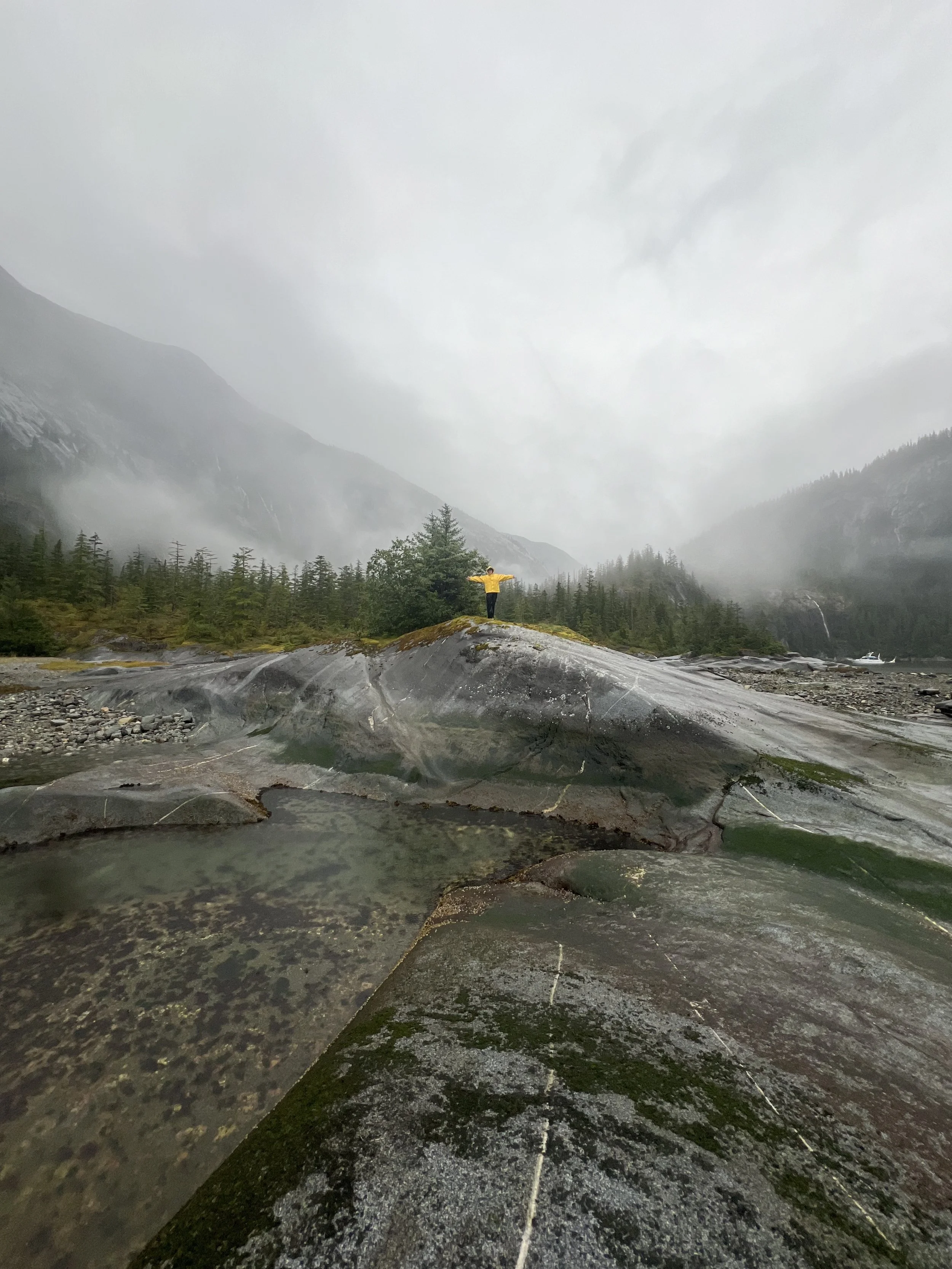
Tiny Against Huge: Look for a person, ship, or cabin dwarfed by mountains or ice. Take one photo each day that shows humans as very small in the frame.
Edges of Weather: Just before or after rain. Low clouds wrapping around mountains. Reflections in puddles or harbor water.
Everyday Alaska: Fishermen working on gear. Boots by the door. Bikes or skiffs pulled up on rocky shorelines.
Your Own Hands in the Story: Your hands around a mug. A journal on a ship railing. Holding binoculars or a camera, with Alaska blurred in the background.
Step 6: Compare Two Sample Alaska Cruise Itineraries Using the Compass
To make this feel practical, let’s imagine you’re comparing two real-world-ish options:
Itinerary A: Roundtrip Inside Passage from Vancouver or Seattle
Ports: Juneau, Skagway, Ketchikan, one glacier day
Several sea days
Itinerary B: One-way cruise with land tour
Ports: a mix of Inside Passage towns
Starts or ends near Anchorage
Includes rail and Denali add-on
Now run them through your compass:
1. North (Why):
If your why is “I want to feel small in huge landscapes and watch whales”, both can work but which one gives you more time in fjords + glacier viewing?
If your why is “I want to finally see Denali and spend time inland,” Itinerary B likely wins.
2. East (When): If you’re locked into a specific month, see which itinerary feels calmer in that month (port congestion, typical weather).
3. South (Where):
If you want Southeast towns + Glacier Bay or a fjord, Itinerary A might be enough.
If you also want Interior Alaska, Itinerary B gives you more regional variety.
4. West (How):
If you get overwhelmed easily, a simpler roundtrip (A) might feel safer and more restorative.
If you love variety and don’t mind complex travel days, the one-way land & sea combo (B) might feel more “worth it.”
You can use this same exercise with any two or three Alaska cruise itineraries. It’s less about hunting down the “best Alaska cruise” and more about finding your Alaska cruise.
Step 7: Think About How You Want Alaska to Stay With You
Before you click “book,” ask one more question: “A month after I get home, what do I want to be different because I went to Alaska?”
Maybe you want a photo on your wall that makes you take a breath each time you walk past it.
Maybe you want to feel less hurried in your everyday life.
Maybe you want a shared memory with someone you love that didn’t involve rushing through airports.
That answer can fine-tune your choice:
It might nudge you toward an itinerary with more quiet, scenic days and fewer ports.
It might remind you to build in buffer days before or after the cruise so you’re not sprinting through the trip.
It might help you choose excursions that are more “sit on a boat and watch the world” and less “back-to-back adrenaline.”
Where the Alaska Travel Compass Mini Guide Fits In
If you’re feeling that slight swirl of overwhelm, the Alaska Travel Compass (Mini Guide) is my way of handing you a cup of tea and a pen and saying, “Let’s do this slowly.”
Inside the free 4-page PDF, you’ll find:
A simple North / East / South / West framework you can fill in
A seasonal breakdown to help you choose when to cruise to Alaska
A regional overview to help you decide where to focus
Photography prompts to guide your eye on deck and in port
A few ideas for how to bring Alaska home after your trip (whether that’s printing your own photos or adding fine art to your walls)
If You Want More Alaska in Your Life (Beyond the Itinerary)
If you’re new to Mary’s Mark: hi, I’m Mary. I live in Juneau, Alaska and spend a lot of time chasing that feeling of **tiny humans in huge wild places** with my camera.
I created Mary’s Mark to help you:
Plan meaningful Alaska trips that feel like you, not like everyone else’s checklist
Bring Alaska home through fine art prints that carry that sense of scale and calm
Step away in person through small Wild Within retreats in Alaska (I only host one a year)
If you’re planning an Alaska cruise itinerary:
You can explore more Alaska travel & photography guides on my blog.
You can browse the Alaska’s Grandeur and Magnificence print collection if you want your walls to hold that tiny-against-huge feeling long after you sail home.
And if you ever want Alaska without a ship, you can peek at my Wild Within retreat, a small, quiet reset here in the wild.
Wherever you end up sailing, I hope Alaska gives you a moment where you stop, look up, and realize how beautifully small you are in a very wide, very good world.
Alaska’s Grandeur and Magnificence: Tiny Humans in a Vast, Wild Place
A quiet story about why I’m drawn to tiny humans in big Alaska places—and how that turned into a limited edition fine art print collection: Alaska’s Grandeur and Magnificence.
There are days in Alaska when the land feels almost reasonable in size.
You walk a familiar trail, sip your tea, watch the clouds move over the ridge you know by heart. The scale feels…manageable.
And then there are days when Alaska reminds you who’s really in charge.
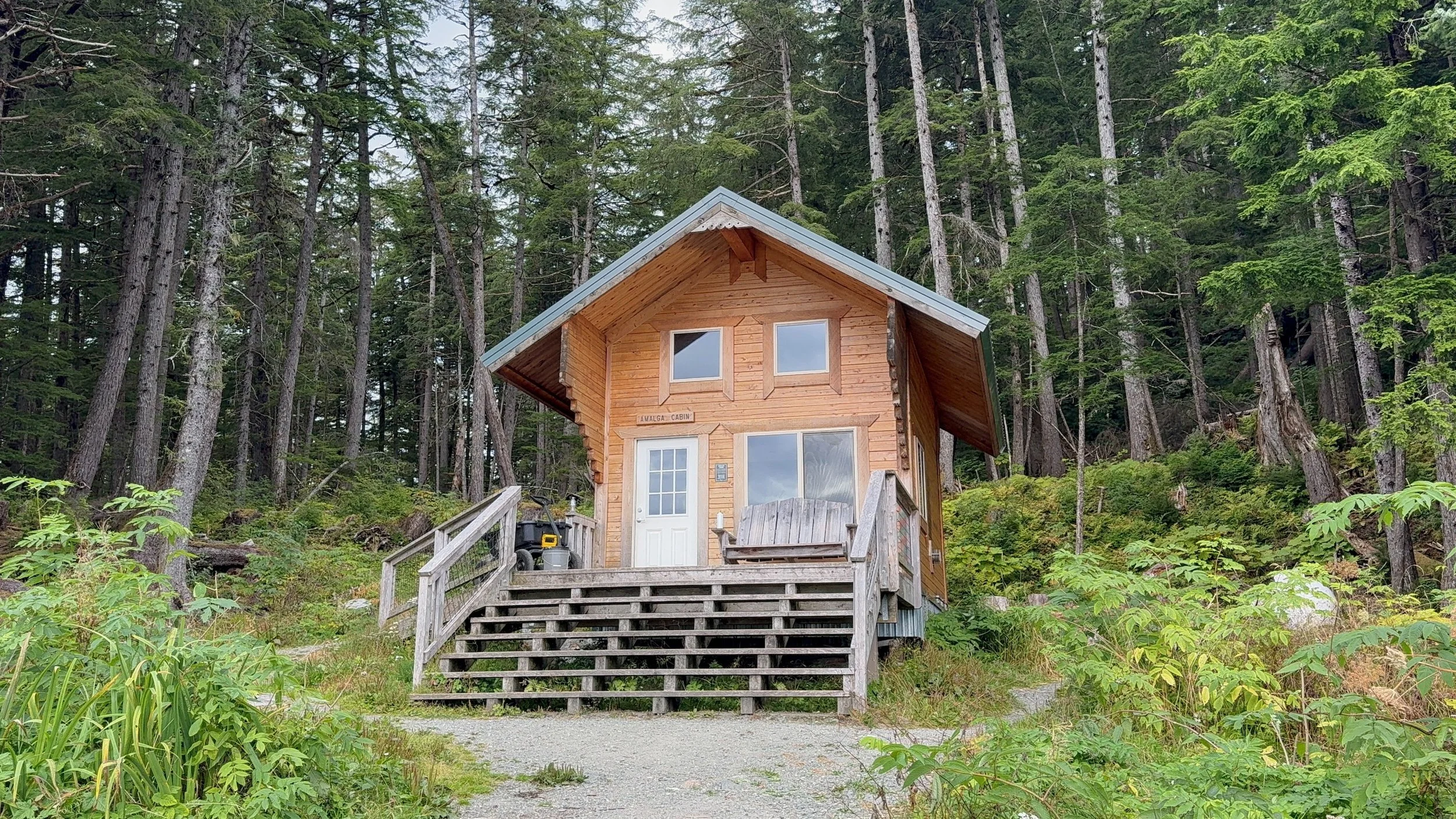
A glacier looms larger than the mind can hold. A mountain range stacks itself into layer after layer until it fades into air. A small cabin disappears beneath peaks that have been here longer than any of us can remember.
Those are the moments that live inside this new fine art print collection: Alaska’s Grandeur and Magnificence — nine Alaska landscape photographs where humans, cabins, and seals become tiny markers inside something impossibly vast.
This is the kind of Alaska wall art I reach for when I need to remember my size in the best way.
Why I Photograph Tiny Humans in Big Places
As an Alaska photographer, I spend a lot of time pointing my lens at what most people would call “the main event” — the glacier face, the mountain, the waterfall, the whale.
But the frames I come back to again and again have something else in them:
a single person in a yellow coat, a small cabin under a massive peak, two seals on a drifting piece of ice.
Those smaller shapes do two things at once:
They reveal the true scale of glaciers and mountains in a way our minds can finally measure.
They remind us how small we are — not in a diminishing way, but in a freeing, perspective-giving way.
When I look at these Alaska landscape photos, I feel the same thing in my body that I feel standing on the shoreline: awe, humility, and a little bit of quiet relief. The world is big. I don’t have to hold it all.
That feeling is what I wanted to gather on paper.
A Few Moments Inside the Collection
Each print in Alaska’s Grandeur and Magnificence was chosen because it tells a slightly different story about scale. Here are three of them.
Tiny on the Mendenhall
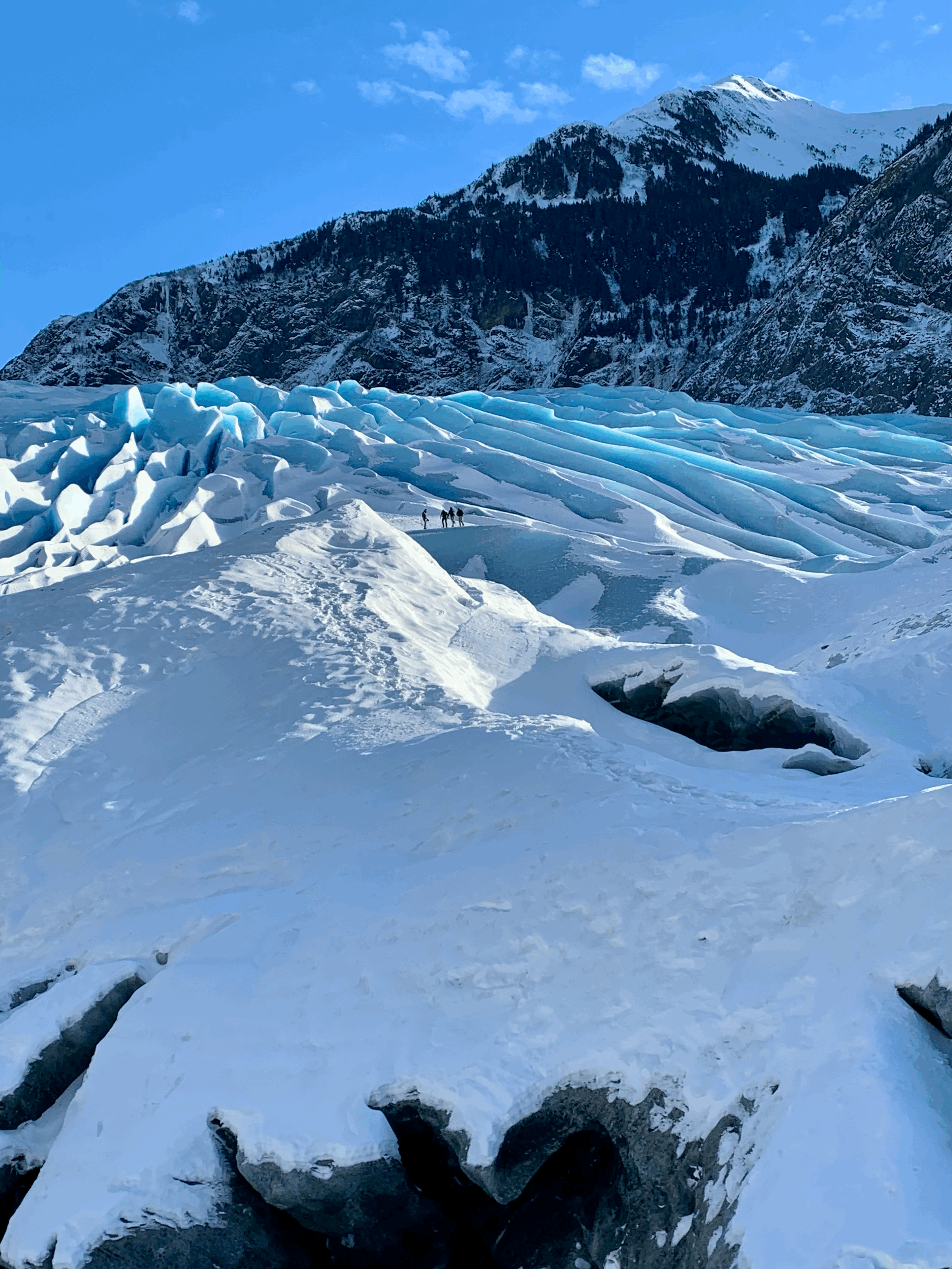
Image: people standing on Mendenhall Glacier
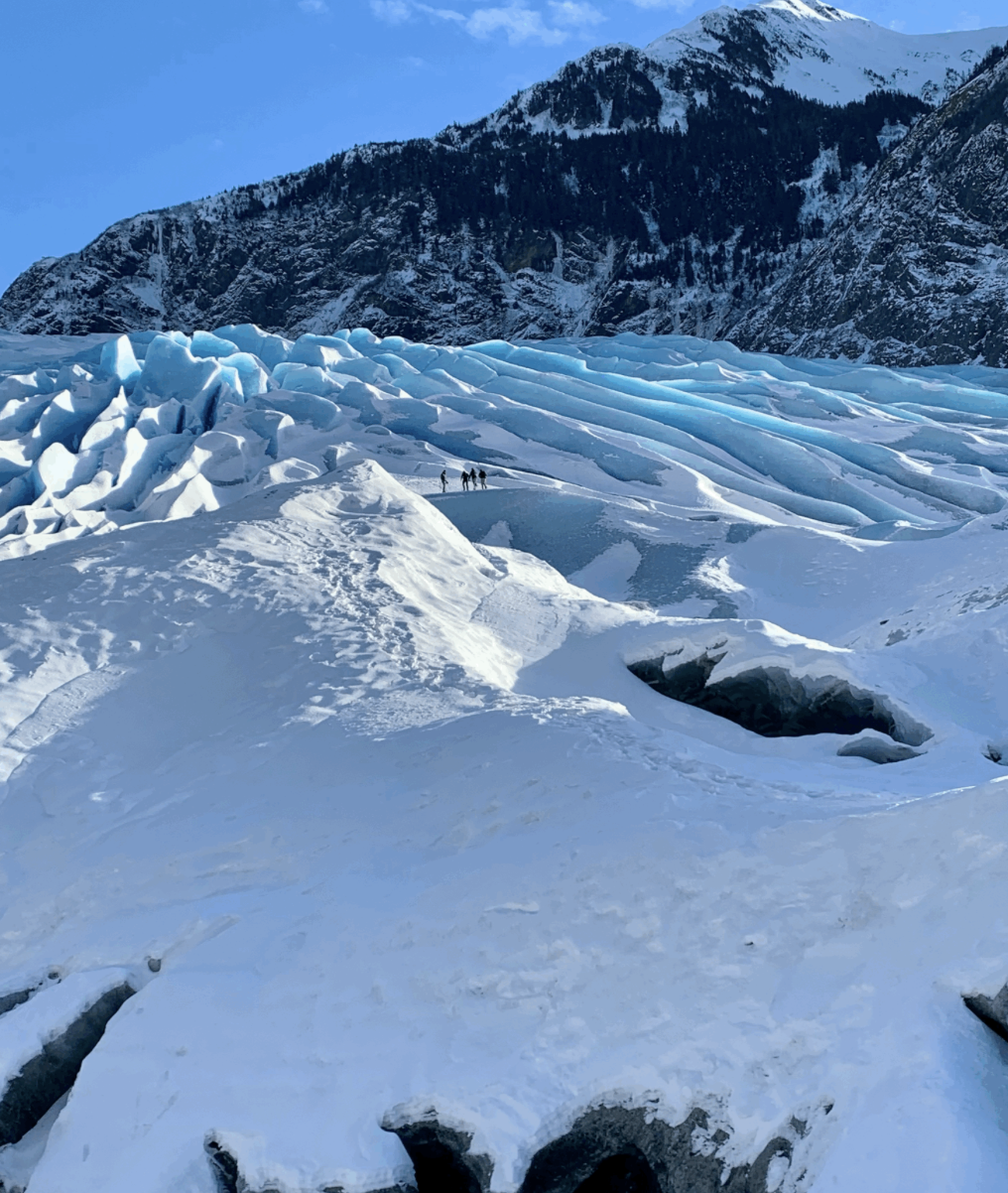
In this photograph, four tiny figures stand on Mendenhall Glacier in Juneau, Alaska. At first glance you might miss them, swallowed by blue and white. Once you see them, the glacier suddenly grows to its actual size in your mind.
This is one of my favorite glacier wall art images because it pulls the viewer in twice: first for the ice, then for the humans. It feels like standing there all over again — a brief moment of being held by something ancient.
Cabin Under Giants
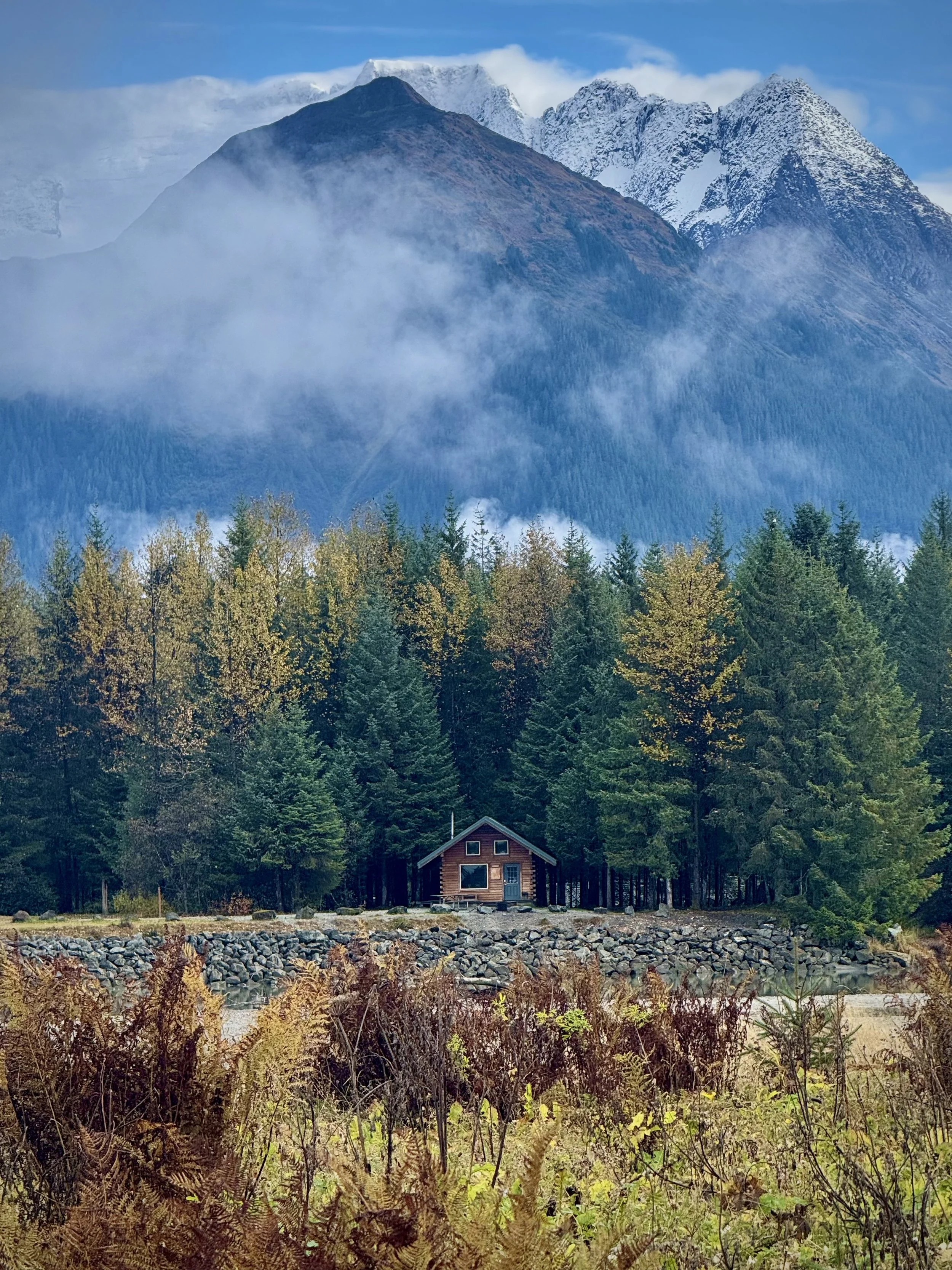
Image: small cabin with mountains rising behind it
Far below the ridgeline, a small cabin tucks itself into the forest. If you cropped the mountains out, the cabin would look solid and self-contained. But with those peaks behind it, you see the truth: this is a tiny, cozy place in a very big world.
This is the Alaska mountain print I imagine hanging in a living room or office where someone needs a reminder that it’s okay to retreat and be small, even when life feels huge.
Drifters on the Blue
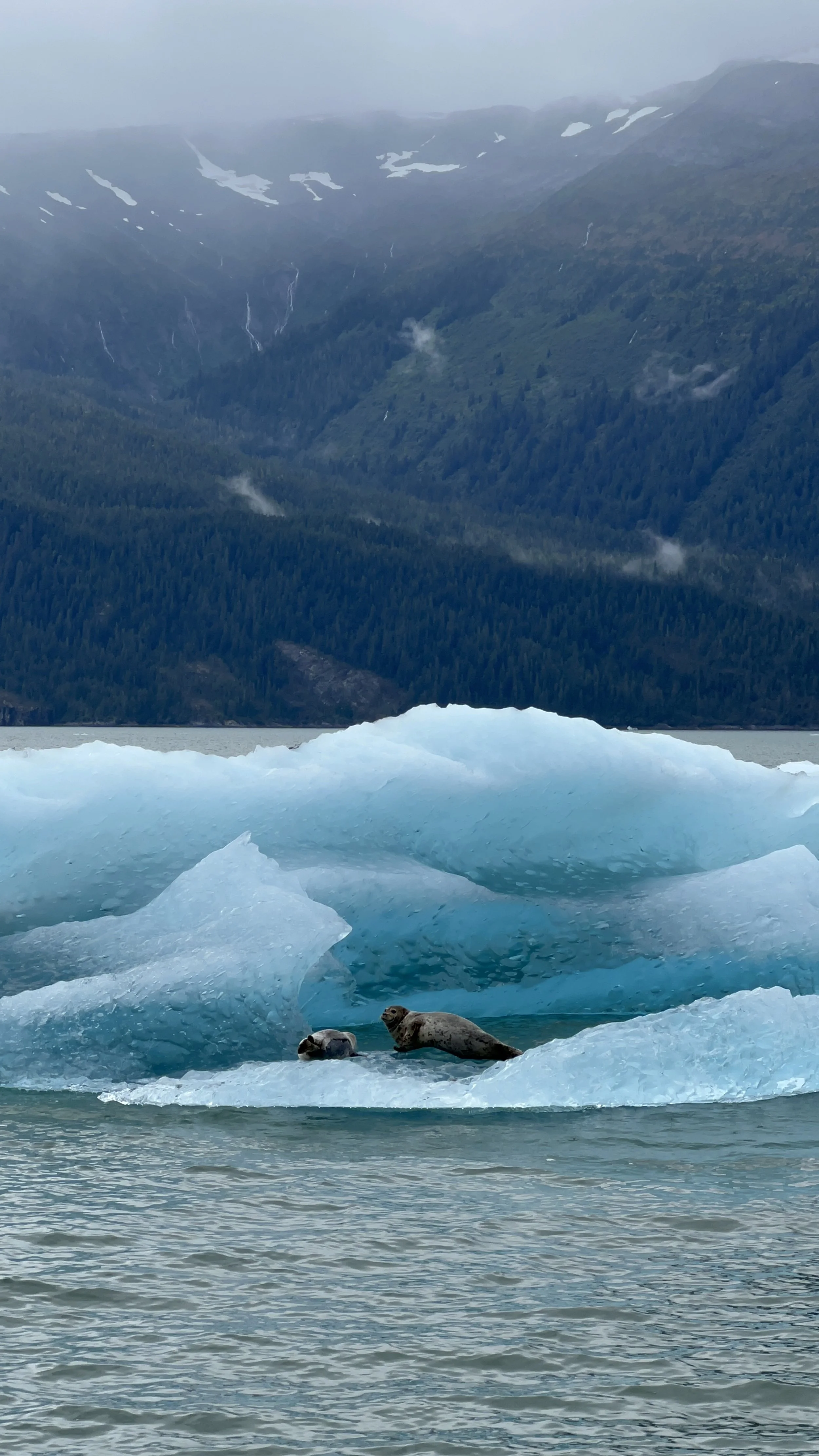
Image: two seals on ice with mountains in the distance
On a quiet day, two seals rest on a floating chunk of glacier ice, carried along by cold water and hidden currents. The mountains behind them, the depth of the channel below, the history locked inside that ice — all of it dwarfs their little resting place.
This is one of those Alaska wildlife moments that doesn’t shout. It’s not a breach or a dramatic splash. It’s a soft exhale on a drifting platform, a small pause inside an enormous system.
How I Hope These Prints Feel in Your Space
When I imagine these pieces hanging in someone’s home, I don’t imagine a gallery or a perfectly styled room.
I imagine:
A mug of tea on the table beneath a glacier print.
A child asking, “Are those people really that small?”
Someone working through a full, loud day and glancing up at a cabin tucked under mountains, remembering that they can set down what they’re carrying for a moment.
These limited-edition Alaska fine art prints are meant to be daily reminders of perspective:
That there is a world outside the to-do list.
That we are small in the best way.
That wild places still exist and are worth paying attention to.
Each image in the Alaska’s Grandeur and Magnificence collection is printed on archival fine art paper, signed and numbered in limited editions, and available in two sizes so you can choose the scale that fits your space — whether it’s a small corner or a statement wall.
Explore the Alaska’s Grandeur and Magnificence Collection
If you’ve ever stood on the deck of a ship, a shoreline, or a trail in Alaska and felt yourself shrink (in that good, grounding way), this collection was made with you in mind.
You can see all nine images — glaciers, mountains, cabins, waterfalls, and those tiny markers of human and animal life inside them — here:
Explore Alaska’s Grandeur and Magnificence – Limited Edition Alaska Prints
Whether one of these scenes ends up on your wall or you simply pause for a quiet moment with them on the screen, I hope they give you what Alaska always gives me: a deep breath, a sense of awe, and the reminder that you are part of something vast and beautiful.
I’m so glad you’re here.
This is a cornerstone of Alaska-inspired stories, photography, and small rituals - for people who want to travel, and live, with more intention.
Written from Juneau, Alaska by a photographer who lives here.